
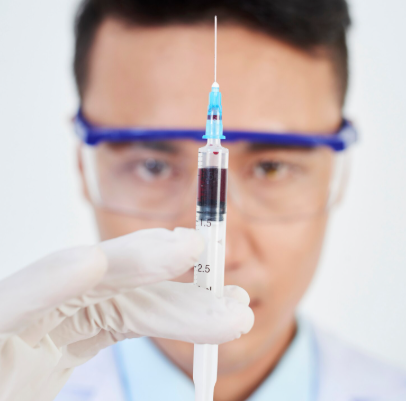
Treatment Overview
Intravitreal Triamcinolone Injection (IVTA) in Korea is a minimally invasive procedure that delivers corticosteroids directly into the vitreous cavity to reduce retinal inflammation, macular edema, and vascular leakage. IVTA is commonly used for diabetic macular edema (DME), retinal vein occlusion (RVO)-related macular edema, uveitic macular edema, and certain refractory retinal conditions where anti-VEGF therapy may be insufficient.
Korea is internationally recognized for its advanced IVTA programs, incorporating:
- High-precision intravitreal injection techniques
- OCT-guided planning to monitor macular thickness and edema
- Sterile, state-of-the-art injection suites minimizing infection risk
- Use of preservative-free or pharmaceutical-grade triamcinolone formulations
- AI-assisted treatment scheduling to optimize intervals and outcomes
- Integrated follow-up imaging (OCT, fundus photography, FAF)
This therapy provides effective reduction of macular swelling, improved visual acuity, and long-term control of retinal inflammation.
Purpose & Benefits
Purpose
- Reduce macular edema from diabetic retinopathy, RVO, or uveitis
- Suppress inflammation in retinal and choroidal tissues
- Stabilize or improve visual acuity
- Serve as an adjunct when anti-VEGF therapy is insufficient
- Delay or prevent disease progression and vision loss
- Guide treatment response through OCT-based monitoring
Benefits
- Minimally invasive outpatient procedure
- Rapid reduction of retinal swelling and improvement of visual function
- OCT-guided injections ensure precise dosing and location
- Can be combined with anti-VEGF therapy or laser procedures
- High efficacy for steroid-responsive macular edema
- Reduced frequency of repeated injections compared to systemic steroids
- AI-assisted interval optimization improves treatment efficiency
Ideal Candidates
Intravitreal Triamcinolone Injection in Korea is suitable for:
- Patients with diabetic macular edema (DME) resistant to anti-VEGF therapy
- Individuals with macular edema secondary to retinal vein occlusion (BRVO or CRVO)
- Patients with uveitic macular edema
- Individuals with refractory macular swelling unresponsive to standard therapy
- Patients requiring adjunctive therapy with anti-VEGF injections
- Individuals needing precise, imaging-guided steroid therapy
Possible Risks & Complications
IVTA is generally safe but carries potential risks:
Common/Moderate Risks:
- Temporary blurred vision or floaters
- Mild eye irritation or discomfort
- Increase in intraocular pressure (IOP)
- Small subconjunctival hemorrhage at the injection site
Rare/Serious Risks:
- Endophthalmitis (eye infection)
- Retinal detachment or tear
- Significant IOP elevation leading to glaucoma
- Cataract progression in phakic patients
- Severe allergic or systemic reaction to corticosteroids
Korean clinics minimize risks through:
- Strict sterile injection protocols
- Pre- and post-injection OCT and IOP monitoring
- Experienced retinal specialists performing injections
- Emergency protocols for adverse reactions
Related Treatment Techniques
- OCT-Guided Therapy – Monitors macular edema before and after injection
- Intravitreal Anti-VEGF Therapy – Can be combined for refractory edema
- Laser Photocoagulation – For targeted retinal vascular leakage
- Vitrectomy Surgery – For chronic or traction-related edema
- Fundus Photography & FAF – Tracks structural retinal changes
- Systemic or Local Steroid Therapy – Complementary treatment when needed
Treatment Process in Korea
Step 1 – Pre-Injection Assessment
- Comprehensive eye exam and OCT imaging
- Review of medical and ocular history, allergies, systemic conditions
- Intraocular pressure and visual acuity assessment
Step 2 – Injection Procedure
- Local anesthesia applied via eye drops or gel
- Sterile preparation of the ocular surface
- Intravitreal injection of triamcinolone into the vitreous cavity
- Immediate post-injection monitoring for adverse effects
Step 3 – Post-Injection Evaluation
- OCT imaging to assess macular thickness reduction
- Visual acuity testing and intraocular pressure check
- Prescribed antibiotic or anti-inflammatory eye drops if indicated
Step 4 – Follow-Up & Maintenance
- Regular follow-up every 4–12 weeks depending on disease response
- OCT-guided decision for repeat injections
- Long-term monitoring to manage recurrence or steroid-related side effects
Duration: 10–20 minutes per injection
Setting: Advanced retinal clinic or ophthalmology center
Recovery & After-Care
After-Care Guidelines
- Avoid rubbing the eye for 24–48 hours
- Use prescribed eye drops as instructed
- Monitor for eye pain, redness, floaters, or sudden vision changes
- Attend all scheduled follow-up visits
Recovery Timeline
- Immediate: Mild blurred vision or eye discomfort
- 1–2 Days: Vision stabilizes, mild floaters may occur
- 1–4 Weeks: OCT shows reduced macular edema and improved retinal structure
- Long-Term: Follow-up injections may be required depending on edema recurrence
Results & Longevity
Expected Results
- Significant reduction of macular edema
- Stabilization or improvement of visual acuity
- Suppression of retinal inflammation
- Improved functional vision for daily activities
- Delayed progression of diabetic or RVO-related retinal disease
Longevity
- Effects typically last 6–12 weeks per injection
- Serial OCT monitoring ensures timely retreatment
- Can be combined with anti-VEGF therapy for extended benefits
Why Korea Is a Top Destination
- Experienced retinal specialists with expertise in steroid therapy
- Advanced OCT-guided treatment planning for precision injections
- Access to preservative-free and high-purity triamcinolone formulations
- Efficient outpatient procedures with minimal downtime
- Personalized injection schedules based on imaging and disease response
- Comprehensive follow-up with multimodal retinal imaging
Unique Korean Innovations
- AI-assisted interval optimization for steroid injections
- OCT-guided real-time evaluation of macular edema
- Combination therapy protocols with anti-VEGF or laser treatments
- Digital dashboards for long-term patient monitoring
- Sterile, high-precision injection suites minimizing infection risk
These innovations make Korea a global leader in Intravitreal Triamcinolone Injection Therapy, offering safe, effective, and precise management of macular edema and retinal inflammation.
Cost Range (Indicative Estimate)
| Package | Price (KRW) | Approx. USD | Inclusions |
|---|---|---|---|
| Single IVTA Injection | ₩350,000 – ₩700,000 | ~$270 – $540 | Injection + OCT monitoring |
| 3-Month Treatment Package | ₩900,000 – ₩1,800,000 | ~$700 – $1,400 | 2–3 injections + follow-up |
| 6-Month Intensive Package | ₩1,800,000 – ₩3,500,000 | ~$1,400 – $2,700 | 4–6 injections + OCT + follow-up |
| Combined Therapy Package | ₩2,500,000 – ₩4,500,000 | ~$1,900 – $3,500 | IVTA + OCT + optional anti-VEGF or laser therapy |
Popular Clinics in Korea
- B&VIIT Eye Center (Seoul)
- Dream Eye Center (Seoul)
- BGN Eye Clinic (Seoul & Busan)
- Kim’s Eye Hospital (Seoul)
- Glory Seoul Eye Clinic
- NUNE Eye Hospital (Daegu)
- Seoul National University Hospital Retina Center
- Gangnam Severance Hospital Ophthalmology


