
Treatment Overview
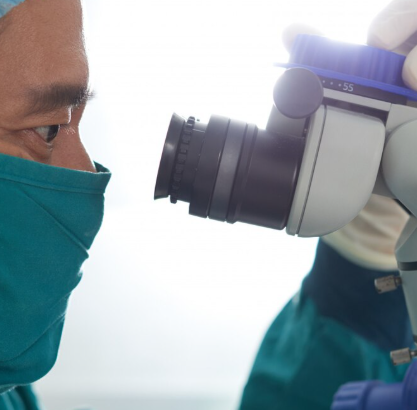
Laser Panretinal Photocoagulation (PRP) is a retinal laser procedure used primarily to treat proliferative diabetic retinopathy (PDR) and other ischemic retinal conditions. PRP works by applying controlled laser burns across the peripheral retina, reducing retinal oxygen demand and inhibiting abnormal neovascularization that can lead to vitreous hemorrhage or retinal detachment.
Korea is internationally recognized for its advanced PRP programs, integrating:
- High-precision, digital retinal laser systems
- Widefield laser delivery to cover peripheral retina efficiently
- OCT and fundus imaging-guided laser planning
- Pain-minimizing laser protocols with local anesthesia
- AI-assisted mapping for neovascularization and ischemic areas
- Integration with intravitreal therapies (anti-VEGF or corticosteroids) when indicated
This approach is highly effective in preventing vision-threatening complications of proliferative diabetic retinopathy.
Purpose & Benefits
Purpose
- Treat proliferative diabetic retinopathy by reducing retinal ischemia
- Inhibit abnormal retinal neovascularization
- Prevent vitreous hemorrhage and tractional retinal detachment
- Stabilize high-risk retinal conditions in diabetic and ischemic retinopathies
- Complement intravitreal anti-VEGF therapy when needed
- Preserve central vision while controlling peripheral retinal pathology
Benefits
- Minimally invasive outpatient procedure
- Significant reduction in risk of vision-threatening complications
- OCT and fundus-guided laser ensures accurate coverage of ischemic areas
- Can be combined with anti-VEGF injections for enhanced efficacy
- Rapid recovery with minimal discomfort
- Effective long-term stabilization of proliferative retinal disease
Ideal Candidates
Laser PRP in Korea is recommended for:
- Patients with proliferative diabetic retinopathy (PDR)
- Individuals with retinal ischemia or extensive non-perfusion
- Patients at risk of vitreous hemorrhage or tractional retinal detachment
- Diabetic patients with high-risk neovascularization identified on FA or OCTA
- Patients requiring combination therapy with anti-VEGF or steroid injections
Possible Risks & Complications
PRP is generally safe, but potential risks include:
Common/Moderate Risks:
- Mild discomfort or burning sensation during the procedure
- Temporary blurred vision
- Peripheral visual field reduction
- Mild inflammation or retinal edema
Rare/Serious Risks:
- Over-treatment causing central vision impairment
- Macular edema exacerbation
- Rare vitreous hemorrhage or retinal detachment
- Unintended laser burns to the macula or optic nerve
Korean clinics minimize risks through:
- Widefield imaging for accurate laser mapping
- Controlled laser energy to minimize tissue damage
- Experienced retinal specialists performing the procedure
- Post-treatment OCT and fundus photography monitoring
Related Treatment Techniques
- Focal or Grid Laser Therapy – For macular edema
- Intravitreal Anti-VEGF Therapy – Combined therapy in PDR
- Intravitreal Corticosteroid Injection – For edema control
- Vitrectomy Surgery – For non-clearing vitreous hemorrhage or traction
- OCT & Fundus Imaging – Guides laser placement and monitors response
Treatment Process in Korea
Step 1 – Pre-Laser Assessment
- Comprehensive eye examination and OCT imaging
- Fundus photography and widefield angiography if needed
- Visual acuity testing and IOP measurement
Step 2 – Laser Planning
- Identify ischemic retina and areas of neovascularization
- Plan laser pattern, spot size, and energy settings
- Determine number of laser sessions required
Step 3 – Laser PRP Procedure
- Local anesthesia applied (eye drops)
- Laser applied to peripheral retina in multiple sessions if necessary
- Immediate adhesion formation monitored and documented
Step 4 – Post-Laser Evaluation
- Fundus examination to confirm adequate coverage
- OCT imaging to monitor retinal thickness and macular integrity
- Prescribed anti-inflammatory or protective drops if needed
Step 5 – Follow-Up
- Regular retinal exams to monitor neovascular regression
- Additional laser sessions if residual ischemic areas are detected
Duration: 30–60 minutes per session
Setting: Advanced retinal clinic or ophthalmology center
Recovery & After-Care
After-Care Guidelines
- Avoid rubbing the eyes for 24–48 hours
- Use prescribed anti-inflammatory or lubricating eye drops
- Monitor for sudden vision changes or flashes
- Attend all follow-up visits to evaluate treatment efficacy
Recovery Timeline
- Immediate: Mild blurred vision or discomfort
- 1–2 Days: Peripheral laser burns visible; central vision usually unaffected
- 1–4 Weeks: Regression of neovascularization begins; visual field may adjust
- Long-Term: Periodic monitoring ensures ongoing retinal stability
Results & Longevity
Expected Results
- Regression of retinal neovascularization
- Reduced risk of vitreous hemorrhage and tractional retinal detachment
- Preservation of central vision in diabetic patients
- Long-term stabilization of proliferative retinal disease
Longevity
- Laser effects are permanent in treated areas
- Periodic follow-up ensures early detection of new neovascularization
- Repeat or adjunctive therapy possible if disease progresses
Why Korea Is a Top Destination
- Highly skilled retinal specialists with extensive PRP experience
- Widefield imaging and OCT-guided laser for precise treatment
- Minimally invasive outpatient procedure with rapid recovery
- Combination protocols with anti-VEGF or corticosteroids
- State-of-the-art ophthalmology centers equipped with modern laser systems
- High success rates in preventing vision-threatening complications
Unique Korean Innovations
- AI-assisted mapping of ischemic retinal zones
- Widefield laser systems for comprehensive peripheral coverage
- Multi-session laser protocols tailored to patient-specific pathology
- Integration with intravitreal therapies for combined treatment
- Digital dashboards for monitoring neovascular regression and follow-up
These innovations make Korea a leading destination for Laser Panretinal Photocoagulation, providing safe, precise, and effective management of proliferative retinal diseases.
Cost Range (Indicative Estimate)
| Package | Price (KRW) | Approx. USD | Inclusions |
|---|---|---|---|
| Single PRP Session | ₩500,000 – ₩900,000 | ~$380 – $700 | Laser session + OCT/fundus monitoring |
| Full PRP Treatment (2–3 Sessions) | ₩1,000,000 – ₩2,500,000 | ~$770 – $1,900 | Complete peripheral retinal coverage + follow-up |
| PRP + Anti-VEGF Combination | ₩1,500,000 – ₩3,500,000 | ~$1,150 – $2,700 | PRP + intravitreal injection + OCT monitoring |
Popular Clinics in Korea
- B&VIIT Eye Center (Seoul)
- Dream Eye Center (Seoul)
- BGN Eye Clinic (Seoul & Busan)
- Kim’s Eye Hospital (Seoul)
- Glory Seoul Eye Clinic
- NUNE Eye Hospital (Daegu)
- Seoul National University Hospital Retina Center
- Gangnam Severance Hospital Ophthalmology


