
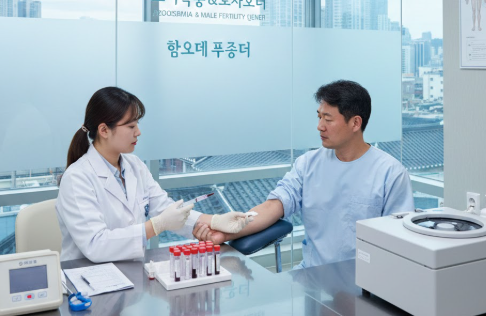
Treatment Overview
Hormonal testing for azoospermia is a critical diagnostic procedure used to evaluate endocrine factors affecting sperm production. By measuring key reproductive hormones, specialists can determine whether azoospermia is caused by testicular failure, hormonal imbalance, or other endocrine disorders. Korean clinics provide advanced hormone testing integrated with male fertility evaluation and treatment planning.
Purpose & Benefits
The main purposes of hormonal testing for azoospermia are:
- Identifying hormonal deficiencies or imbalances contributing to azoospermia
- Differentiating between obstructive and non-obstructive azoospermia
- Guiding targeted treatments such as hormonal therapy or assisted reproduction
Benefits include:
- Accurate diagnosis of hormonal causes of infertility
- Tailored treatment plans to restore reproductive function
- Improved outcomes for natural conception and assisted reproductive techniques
- Early detection of reversible conditions affecting sperm production
Ideal Candidates
Hormonal testing is recommended for:
- Men diagnosed with azoospermia on semen analysis
- Individuals with low testosterone, high FSH, or other abnormal hormone levels
- Patients with suspected endocrine disorders affecting fertility
- Men planning assisted reproductive procedures such as IVF or ICSI
- Individuals with a history of testicular injury, surgery, or systemic illness
Possible Risks & Complications
Hormonal testing is safe and minimally invasive. Potential considerations include:
- Mild discomfort or bruising at the blood draw site
- Rare anxiety related to test results
There are no significant physical risks associated with hormonal testing.
Techniques & Technology Used
Korean clinics employ advanced techniques for hormonal evaluation:
- Comprehensive blood panels – Measure FSH, LH, testosterone, prolactin, estradiol, inhibin B, and other reproductive hormones
- Dynamic testing – Hormone stimulation or suppression tests when needed
- Integration with semen analysis and imaging – Provides a complete assessment of testicular and reproductive health
- High-precision laboratory analysis – Ensures accurate hormone quantification
These methods allow precise identification of endocrine factors contributing to azoospermia.
Treatment Process in Korea
The typical process includes:
- Consultation: Review of medical history, previous fertility assessments, and symptoms
- Blood Sample Collection: Conducted in a controlled clinic environment
- Laboratory Analysis: Measurement of hormone levels and evaluation of endocrine function
- Results Interpretation: Detailed report with recommendations for hormonal therapy, surgical intervention, or assisted reproduction
- Follow-Up: Regular monitoring and adjustment of treatments based on results
Recovery & After-Care
- No recovery period is required
- Patients should follow specialist recommendations for any subsequent hormonal therapy or fertility treatments
- Regular follow-up is advised to track hormone levels and reproductive function
Results & Longevity
- Provides insight into hormonal causes of azoospermia
- Supports personalized treatment planning to optimize fertility
- Long-term monitoring ensures sustained reproductive health and effective treatment outcomes
- Results guide future fertility interventions and family planning decisions
Why Korea Is a Top Destination
Korea is a leading destination for hormonal testing for azoospermia due to:
- Advanced laboratory facilities with high-precision hormone assays
- Experienced endocrinologists and male fertility specialists
- Integration of hormonal evaluation with comprehensive fertility assessment and treatment
- Confidential, patient-focused, and English-language services
- Competitive pricing and internationally accredited clinics
Cost Range
Hormonal testing for azoospermia in Korea typically costs $150 to $400 USD, depending on the number of hormones tested and whether it is part of a full fertility assessment package.
Popular Clinics in Korea
Top clinics for hormonal testing for azoospermia include:
- Banobagi Medical Group – Comprehensive male fertility and hormonal assessment
- Grand Seoul Hospital – Advanced endocrine evaluation and fertility diagnostics
- JK Plastic Surgery & Medical Clinic – Integrated male fertility and hormone testing
- ID Hospital – International patient-friendly reproductive health and endocrine services


