
Treatment Overview
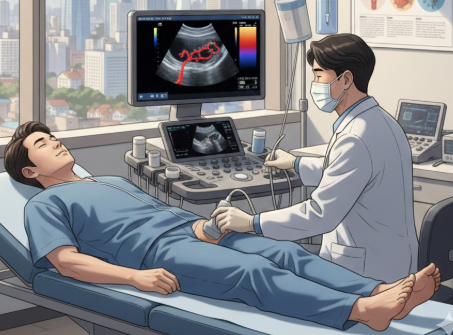
Varicocele evaluation is a diagnostic assessment to detect enlarged veins in the scrotum, which can negatively impact sperm production and male fertility. Varicoceles are a common cause of male infertility and can lead to low sperm count, poor motility, or abnormal morphology. Clinics in Korea use advanced imaging and clinical assessments to evaluate varicoceles accurately and guide treatment.
Purpose & Benefits
The main purposes of varicocele evaluation are:
- Detecting the presence and severity of varicoceles
- Assessing their impact on fertility and testicular function
- Guiding treatment strategies such as surgery, embolization, or lifestyle modification
Benefits include:
- Accurate diagnosis of varicoceles affecting male fertility
- Early intervention to prevent worsening sperm quality
- Personalized treatment plans for fertility optimization
- Support for overall reproductive and hormonal health
Ideal Candidates
Varicocele evaluation is recommended for:
- Men experiencing infertility or abnormal semen analysis results
- Individuals with testicular pain, swelling, or visible scrotal veins
- Men with a history of testicular atrophy or low sperm count
- Patients planning assisted reproductive procedures such as IVF or ICSI
- Men with hormonal imbalances affecting fertility
Possible Risks & Complications
Varicocele evaluation is safe and minimally invasive. Possible considerations include:
- Slight discomfort during physical examination or imaging
- Rare anxiety related to fertility diagnosis
- No significant physical risks associated with diagnostic evaluation
Techniques & Technology Used
Korean clinics use advanced methods for varicocele evaluation:
- Physical examination – Initial assessment by a urologist
- Scrotal ultrasound – High-resolution imaging to detect varicoceles
- Color Doppler ultrasound – Assesses blood flow and identifies venous reflux
- Integration with semen analysis and hormonal testing – Provides a comprehensive fertility evaluation
These techniques ensure precise diagnosis and treatment planning.
Treatment Process in Korea
The typical process includes:
- Consultation: Review of medical history, fertility concerns, and symptoms
- Physical Examination: Urologist evaluates the scrotum for enlarged veins
- Ultrasound & Doppler Imaging: High-resolution imaging to confirm varicoceles and assess severity
- Results Interpretation: Detailed assessment with recommendations for treatment
- Follow-Up: Guidance on surgical correction, embolization, or conservative management depending on severity
Recovery & After-Care
No recovery is required for the evaluation itself. After-care includes:
- Following the recommended treatment plan if varicoceles are detected
- Lifestyle modifications such as avoiding prolonged standing or heavy lifting
- Regular follow-up to monitor fertility and testicular health
Results & Longevity
Varicocele evaluation provides:
- Accurate assessment of varicocele presence and severity
- Guidance for interventions to improve sperm quality and fertility
- Long-term monitoring for testicular health and reproductive outcomes
Why Korea Is a Top Destination
Korea is a leading destination for varicocele evaluation due to:
- Advanced imaging technologies such as high-resolution and Doppler ultrasound
- Experienced urologists and male fertility specialists
- Integration of diagnosis with fertility and hormone assessment programs
- Confidential, patient-focused, and English-friendly services
- Competitive pricing and internationally accredited clinics
Cost Range
Varicocele evaluation in Korea typically costs $150 to $400 USD, depending on the imaging techniques used and whether it is combined with a comprehensive fertility evaluation.
Popular Clinics in Korea
Top clinics for varicocele evaluation include:
- Banobagi Medical Group – Comprehensive male fertility and varicocele assessment
- Grand Seoul Hospital – High-resolution imaging and urology services
- JK Plastic Surgery & Medical Clinic – Integrated fertility and urology evaluations
- ID Hospital – International patient-friendly male reproductive health assessments


