
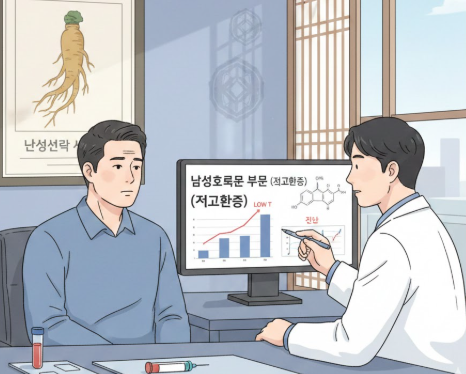
Treatment Overview
Low testosterone, or hypogonadism, is a condition in which the body produces insufficient testosterone, leading to symptoms such as fatigue, reduced libido, muscle loss, mood changes, and cognitive difficulties. Diagnosis involves measuring total and free testosterone levels, along with other related hormones, to identify hormonal imbalances and determine appropriate treatment options.
Purpose & Benefits
The primary purposes of low testosterone diagnosis are:
- Identifying testosterone deficiency and its underlying causes
- Guiding personalized treatment plans such as testosterone replacement therapy (TRT)
- Monitoring overall hormonal health for optimal physical and mental well-being
Benefits include:
- Improved energy, libido, and mood through early intervention
- Prevention of long-term complications such as osteoporosis or cardiovascular risks
- Personalized guidance on lifestyle modifications and therapy
Ideal Candidates
Low testosterone diagnosis is recommended for:
- Men experiencing fatigue, low libido, or erectile dysfunction
- Individuals with decreased muscle mass or increased body fat
- Patients with mood changes, cognitive decline, or sleep disturbances
- Men over 40 concerned about age-related hormonal decline
- Individuals considering or already on testosterone replacement therapy
Possible Risks & Complications
Diagnosis is based on a simple blood test, with minimal risks:
- Mild discomfort or bruising at the puncture site
- Rare chance of infection
There are no significant long-term risks associated with the testing itself.
Techniques & Technology Used
Korean clinics use advanced diagnostic techniques for accurate evaluation:
- Blood tests for total and free testosterone, LH, FSH, and prolactin
- LC-MS/MS (Liquid Chromatography–Mass Spectrometry): Gold standard for precise testosterone measurement
- Immunoassays and automated analyzers: Reliable and efficient for routine screening
These methods provide comprehensive hormone profiling to guide treatment decisions.
Treatment Process in Korea
The diagnostic process for low testosterone in Korea is streamlined and patient-friendly:
- Appointment Scheduling: Online or via phone, with English support
- Blood Sample Collection: Typically performed in the morning for peak accuracy
- Laboratory Analysis: Results available within 24–48 hours
- Medical Consultation: Specialists review hormone levels, diagnose hypogonadism, and recommend therapy or lifestyle adjustments
Recovery & After-Care
Since the procedure involves only a blood draw, recovery is immediate. After-care includes:
- Keeping the puncture site clean and dry
- Applying a bandage if minor bleeding occurs
- Resuming daily activities without restriction
Results & Longevity
Test results reveal testosterone levels and provide insight into overall hormonal health:
- Detect testosterone deficiency early
- Guide personalized therapy such as TRT
- Monitor progress and effectiveness of ongoing treatment
Regular follow-up testing is recommended for men undergoing therapy or experiencing progressive symptoms.
Why Korea Is a Top Destination
Korea is an excellent choice for low testosterone diagnosis due to:
- Advanced laboratory facilities with accurate hormone testing technology
- Experienced endocrinologists and urologists specializing in male health
- English-friendly clinics with streamlined processes for international patients
- Competitive pricing compared to Western countries
- Integration with treatment programs, wellness monitoring, and follow-up care
Cost Range
Low testosterone diagnostic tests in Korea typically cost $70 to $200 USD, depending on the number of hormones measured and consultation services. Comprehensive male hormone panels may cost slightly more.
Popular Clinics in Korea
Top clinics for low testosterone diagnosis include:
- Banobagi Medical Group – Specialized male hormone testing and therapy guidance
- Grand Seoul Hospital – Comprehensive endocrine evaluation and personalized treatment
- JK Plastic Surgery & Medical Clinic – Integrated approach to male hormonal health
- ID Hospital – International patient support and advanced diagnostic facilities


