
Treatment Overview
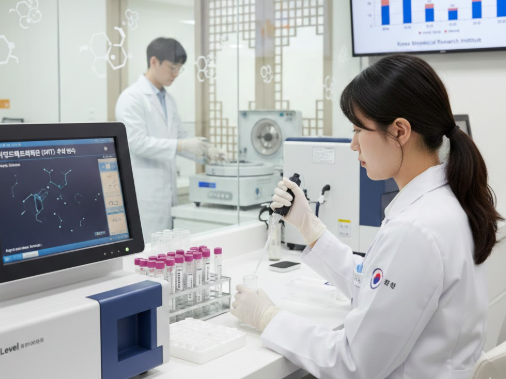
Dihydrotestosterone (DHT) level assessment measures the concentration of DHT, a potent androgen hormone derived from testosterone, in the bloodstream. DHT plays a crucial role in male sexual development, hair growth, prostate health, and overall hormonal balance. Testing DHT levels helps identify issues such as hair loss, prostate enlargement, or hormonal imbalances affecting mood, energy, and libido.
Purpose & Benefits
The main purposes of DHT level testing are:
- Diagnosing androgenic conditions, including male pattern baldness and prostate issues
- Evaluating hormonal causes of infertility or low libido
- Guiding personalized treatments such as DHT blockers or hormone therapy
- Monitoring the effectiveness of ongoing treatments
Benefits include:
- Early detection of hormonal disorders
- Improved treatment planning for hair loss, prostate health, and sexual function
- Optimized outcomes for hormone-related therapies
Ideal Candidates
DHT testing is suitable for:
- Men experiencing hair thinning or male pattern baldness
- Patients with enlarged prostate or urinary symptoms
- Individuals with low libido or erectile dysfunction
- Men undergoing testosterone replacement therapy (TRT)
- Anyone with suspected hormonal imbalance affecting energy, mood, or fertility
Possible Risks & Complications
DHT testing involves a standard blood draw, so risks are minimal:
- Slight discomfort, bruising, or swelling at the puncture site
- Rare infection at the blood draw site
There are no long-term complications associated with the test itself.
Techniques & Technology Used
Korean clinics utilize advanced laboratory methods for accurate DHT assessment:
- LC-MS/MS (Liquid Chromatography–Mass Spectrometry): Gold standard for precise DHT measurement
- Immunoassay techniques: Common and fast for routine screening
- Automated analyzers: Provide reliable results with minimal errors
These technologies ensure clinicians receive precise data for treatment decisions.
Treatment Process in Korea
The process of DHT level assessment in Korea is streamlined for international patients:
- Appointment Scheduling: Online booking with English-friendly staff
- Blood Sample Collection: Usually performed in the morning for optimal accuracy
- Laboratory Analysis: Results are available in 24–48 hours
- Medical Consultation: Specialists interpret results and recommend treatment or follow-up testing
Recovery & After-Care
As the test is minimally invasive, there is no recovery required. After-care tips include:
- Keep the puncture site clean and dry
- Apply a bandage if minor bleeding occurs
- Resume normal activities immediately
Results & Longevity
Test results provide a snapshot of DHT levels and help:
- Detect androgenic conditions early
- Guide personalized treatment for hair loss, prostate issues, or hormone therapy
- Monitor progress over time for ongoing treatment effectiveness
Regular testing is recommended for patients on hormone therapy or those experiencing progressive symptoms.
Why Korea Is a Top Destination
Korea is recognized globally for medical excellence and advanced hormonal diagnostics:
- Cutting-edge laboratory facilities and precise measurement technologies
- Experienced endocrinologists and urologists
- English-speaking staff and streamlined processes for international patients
- Affordable testing compared to Western countries
- Integration with specialized treatments for hair, prostate, and hormonal health
Cost Range
DHT testing in Korea typically costs $70 to $180 USD, depending on the clinic, type of test, and consultation package. Many hospitals offer comprehensive hormonal panels including testosterone, DHT, and other related hormones.
Popular Clinics in Korea
Some trusted clinics for DHT level assessment include:
- Banobagi Medical Group – Advanced hormonal analysis and treatment guidance
- Grand Seoul Hospital – Full endocrine assessment and follow-up consultation
- JK Plastic Surgery & Medical Clinic – Integrates DHT testing with hair loss treatment programs
- ID Hospital – Personalized hormonal evaluations for patients undergoing therapy


