
Treatment Overview
Dihydrotestosterone (DHT) Level Assessment in Korea is a specialized hormonal test that measures the concentration of DHT, a potent androgen derived from testosterone, in the bloodstream. DHT plays a critical role in male sexual development, hair growth, prostate function, and overall androgen balance. Imbalances can contribute to hair loss, prostate enlargement, and certain metabolic conditions. Korean clinics offer precise DHT testing using advanced immunoassays and liquid chromatography techniques, ensuring accurate readings for diagnosis, hormone therapy planning, or hair loss treatments. This assessment is particularly valuable for men seeking targeted therapies for androgenic issues or medical tourists exploring personalized endocrine care.
Purpose & Benefits
The primary purpose of DHT level assessment is to evaluate androgen activity and identify potential hormonal imbalances that may affect hair health, prostate function, or sexual wellness. Benefits include:
- Detecting elevated DHT linked to androgenic alopecia (male pattern baldness)
- Monitoring DHT levels before and during testosterone therapy
- Assessing risks for benign prostatic hyperplasia (BPH)
- Guiding personalized hair restoration or hormone modulation treatments
- Supporting fertility or sexual health management
By understanding DHT levels, physicians can create highly individualized treatment plans, including DHT-blocking strategies, supplementation, or hormonal therapy.
Ideal Candidates
Ideal candidates for DHT testing include:
- Men experiencing hair thinning or male pattern baldness
- Patients undergoing testosterone replacement therapy (TRT)
- Individuals with prostate enlargement or urinary symptoms
- Men with low libido, erectile dysfunction, or other androgen-related concerns
- Those seeking preventive endocrine health evaluation
Women experiencing androgenic symptoms, such as hirsutism or acne, may also benefit from DHT assessment. Candidates must consult with an endocrinologist for proper interpretation of results and potential follow-up testing.
Possible Risks & Complications
DHT level assessment is minimally invasive and safe. Possible minor issues include:
- Slight bruising or discomfort at the blood draw site
- Rare cases of fainting or dizziness in sensitive individuals
Korean clinics follow strict sterilization and blood collection protocols, minimizing any risk. No long-term side effects are associated with the test itself.
Techniques & Technology Used
Korean clinics utilize advanced methods for DHT measurement, including:
- High-sensitivity immunoassays for accurate hormone quantification
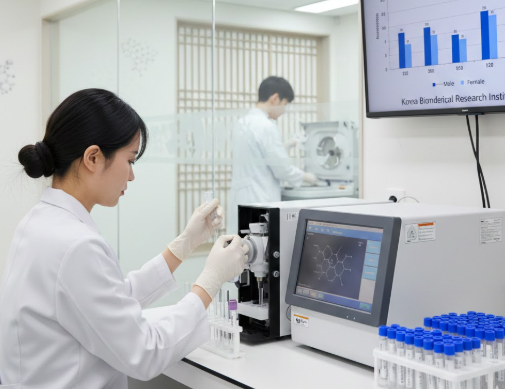
- Liquid chromatography-tandem mass spectrometry (LC-MS/MS) for precise results
- Integrated lab management systems for fast, reliable reporting
- Digital hormone tracking platforms for patient monitoring
These technologies allow endocrinologists to evaluate subtle hormonal changes, detect DHT-related issues early, and integrate results with broader endocrine panels for comprehensive care.
Treatment Process in Korea
The process begins with a consultation, where medical history, lifestyle, and symptoms are assessed. Patients may need to fast or schedule testing at a specific time of day to ensure accuracy. Blood is drawn, usually from the arm vein, and sent to a high-tech laboratory for analysis. Results are typically available within 24–48 hours. Doctors review findings, explain the DHT levels, and recommend treatment or preventive strategies if required. International patients can receive results digitally and schedule teleconsultations for interpretation after leaving Korea.
Recovery & After-Care
No recovery time is necessary. Patients may experience minor bruising or tenderness at the puncture site, which usually resolves within a day. After-care includes:
- Applying a bandage and keeping the area clean
- Avoiding heavy lifting immediately after the blood draw if there is discomfort
- Following any fasting or preparation instructions if additional tests are scheduled
This convenience makes DHT testing suitable for medical tourists seeking quick and reliable endocrine assessment.
Results & Longevity
DHT results provide an immediate snapshot of androgen levels. While a single test is sufficient for initial evaluation, periodic monitoring is recommended for patients on hormone therapy, hair restoration treatments, or at risk of prostate disease. Regular testing every 6–12 months allows endocrinologists to adjust therapy, track progress, and maintain optimal hormone balance. Korea’s advanced laboratory technology ensures consistent accuracy and reproducibility.
Why Korea Is a Top Destination
Korea is a global hub for endocrine and hormone diagnostics due to its state-of-the-art laboratories, internationally trained specialists, and cutting-edge testing technologies. Benefits for international patients include:
- Fast, accurate testing with digital reporting
- Integration with TRT, hair restoration, or men’s health treatments
- Multilingual medical support and translation services
- Medical tourism packages including accommodation, airport pickup, and follow-up consultations
- High safety and hygiene standards recognized worldwide
These features make Korea an ideal destination for DHT testing and comprehensive hormonal care.
Cost Range
DHT level assessment in Korea typically costs USD 100 to 250, depending on whether it is performed individually or as part of a complete hormone panel. Advanced testing, including LC-MS/MS analysis or integrated endocrine profiling, may be slightly higher. Packages for international patients often include consultation, lab testing, and follow-up interpretation.
Popular Clinics in Korea
- Samsung Medical Center Endocrine & Men’s Health Lab
- Seoul National University Hospital Hormone Testing Facility
- Severance Hospital Endocrine & Metabolic Institute, Yonsei
- Banobagi Men’s Hormone and Hair Restoration Clinic, Gangnam
- JK Hormone & Wellness Center, Seoul


