
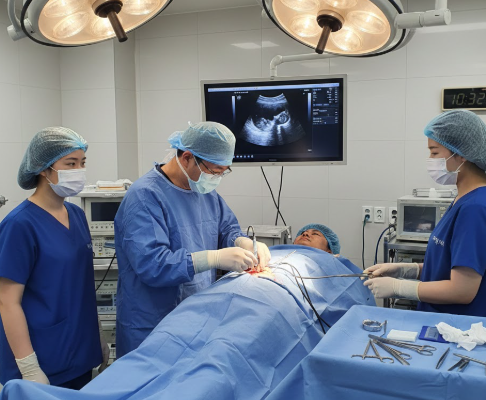
Treatment Overview
Conventional vasectomy is a permanent male sterilization procedure in which the vas deferens—the tubes that carry sperm from the testes to the urethra—are surgically cut or blocked. In Korea, this procedure is performed by experienced urologists using precise surgical techniques, offering high success rates with minimal complications. Vasectomy is considered a reliable long-term contraception method for men who do not wish to father children in the future.
Purpose & Benefits
The main purposes of conventional vasectomy are:
- Permanent male contraception
- Preventing unplanned pregnancies without affecting sexual function
- Providing a safe and effective alternative to female contraceptive methods
Benefits include:
- Over 99% effective in preventing pregnancy
- Outpatient procedure with minimal recovery time
- No effect on libido, erectile function, or ejaculation
- Simple and cost-effective compared to long-term contraceptive use
Ideal Candidates
Conventional vasectomy is recommended for:
- Men who are certain they do not want future children
- Individuals seeking a permanent and reliable contraceptive method
- Couples who prefer male sterilization over female sterilization
- Men who have completed their family planning
Possible Risks & Complications
While generally safe, vasectomy may involve some potential risks:
- Mild pain, swelling, or bruising at the surgical site
- Infection (rare with proper sterile technique)
- Hematoma or temporary discomfort
- Rare risk of sperm granuloma or chronic testicular pain
Proper post-operative care and follow-up minimize complications.
Techniques & Technology Used
Korean clinics use precise surgical techniques for conventional vasectomy:
- Scalpel or no-scalpel technique – Traditional incision or minimally invasive approach
- Vas deferens ligation or cauterization – Blocks sperm flow permanently
- Sperm analysis post-surgery – Ensures absence of sperm in ejaculate
- Integration with reproductive counseling – Confirms patient understanding of permanent contraception
These techniques maximize safety, effectiveness, and patient comfort.
Treatment Process in Korea
The typical process includes:
- Consultation: Review of medical history, reproductive goals, and procedure explanation
- Pre-Surgery Assessment: Basic physical examination and laboratory tests if required
- Surgical Procedure: Local anesthesia with precise vas deferens incision and ligation
- Post-Operative Care: Pain management, wound care, and activity guidelines
- Follow-Up: Semen analysis to confirm azoospermia (absence of sperm in ejaculate)
Recovery & After-Care
- Most patients resume normal activities within 1–2 days
- Avoid heavy lifting, strenuous activity, and sexual activity for about a week
- Ice packs and mild analgesics help manage discomfort
- Follow-up semen tests are required until azoospermia is confirmed (usually 8–12 weeks)
Results & Longevity
- Vasectomy provides permanent contraception
- High success rate with minimal long-term complications
- Sexual function and testosterone levels remain unaffected
- Reversal is possible but not guaranteed and requires additional microsurgical procedures
Why Korea Is a Top Destination
Korea is a leading destination for conventional vasectomy due to:
- Experienced urologists and precision surgical techniques
- Safe, sterile, and comfortable clinical environment
- Confidential, patient-centered care with English-language services
- Competitive pricing and internationally accredited facilities
Cost Range
Conventional vasectomy in Korea typically costs $800 to $2,000 USD, depending on the clinic and surgical method used.
Popular Clinics in Korea
Top clinics for conventional vasectomy include:
- Banobagi Medical Group – Experienced urologists offering male sterilization
- Grand Seoul Hospital – Comprehensive reproductive health services including vasectomy
- JK Plastic Surgery & Medical Clinic – Integrated male reproductive care
- ID Hospital – International patient-friendly vasectomy and reproductive health services


