
Treatment Overview
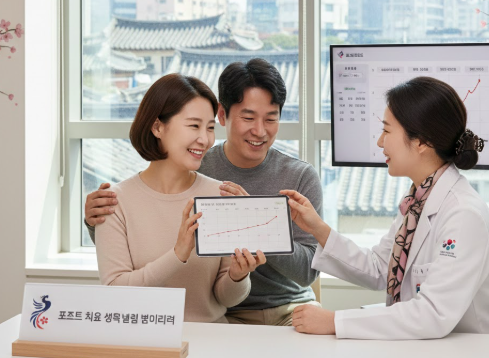
Post-treatment fertility monitoring is a critical follow-up process for men who have undergone fertility interventions, such as hormone therapy, varicocele repair, sperm retrieval, or ejaculatory duct obstruction treatment. The goal is to track recovery, assess treatment efficacy, and optimize conditions for conception. Korean clinics offer advanced monitoring protocols integrated with laboratory testing, imaging, and personalized guidance to ensure the best outcomes.
Purpose & Benefits
The main purposes of post-treatment fertility monitoring are:
- Evaluating the success of fertility interventions
- Tracking improvements in sperm count, motility, morphology, and hormonal balance
- Identifying any complications or need for additional treatments
- Guiding couples in family planning and assisted reproductive techniques (ART)
Benefits include:
- Early detection of treatment success or potential setbacks
- Optimized timing for conception or IVF/ICSI procedures
- Personalized adjustments in therapy or lifestyle to enhance fertility
- Improved overall reproductive health and long-term outcomes
Ideal Candidates
Post-treatment fertility monitoring is recommended for:
- Men who have undergone hormone therapy for low testosterone or azoospermia
- Patients after varicocele repair or ejaculatory duct obstruction correction
- Men who have had sperm retrieval procedures such as TESA, Micro-TESE, or PESA
- Couples pursuing ART, including IVF or ICSI
- Individuals with a history of male-factor infertility or recurrent conception challenges
Possible Risks & Complications
Fertility monitoring is non-invasive and generally risk-free. Potential considerations include:
- Mild anxiety related to test results
- Need for repeated follow-up tests or procedures if issues persist
There are no significant physical risks associated with routine monitoring.
Techniques & Technology Used
Korean clinics utilize advanced monitoring techniques:
- Semen Analysis: Evaluates sperm count, motility, morphology, and DNA integrity
- Hormonal Testing: Monitors testosterone, FSH, LH, prolactin, and other key hormones
- Imaging: Ultrasound or Doppler studies to assess testicular health or varicocele recurrence
- Genetic & Functional Testing: Optional follow-up tests for DNA fragmentation or chromosomal anomalies
- Integration with ART: Coordination with IVF/ICSI cycles to optimize timing and success
These tools allow comprehensive assessment of post-treatment fertility status.
Treatment Process in Korea
The typical post-treatment monitoring process includes:
- Initial Follow-Up: Review of medical records and recent interventions
- Laboratory Testing: Semen analysis, hormone panels, and optional genetic testing
- Imaging Studies: Ultrasound or Doppler to evaluate testicular or reproductive tract health
- Clinical Evaluation: Specialist reviews results, tracks recovery, and adjusts treatment plans
- Ongoing Guidance: Recommendations for lifestyle, nutrition, or additional interventions if needed
Recovery & After-Care
- Patients may require multiple follow-up visits over weeks to months
- Regular semen and hormonal assessments ensure recovery and treatment efficacy
- Guidance may include diet, exercise, stress management, and supplementation
- Counseling may be provided for couples planning conception or ART
Results & Longevity
- Enables tracking of improvements in sperm production and quality
- Supports timely conception or assisted reproduction based on recovery
- Helps prevent complications or relapse of underlying conditions
- Long-term monitoring ensures sustained reproductive health and treatment success
Why Korea Is a Top Destination
Korea is a leading destination for post-treatment fertility monitoring due to:
- Highly skilled reproductive endocrinologists and urologists
- State-of-the-art laboratories and imaging facilities
- Comprehensive follow-up programs integrated with fertility treatments
- Confidential, patient-centered, and English-language services
- Competitive pricing and internationally accredited clinics
Cost Range
Post-treatment fertility monitoring in Korea typically costs $200 to $800 USD per visit, depending on the range of tests and imaging included. Packages for ongoing monitoring may offer bundled pricing.
Popular Clinics in Korea
Top clinics for post-treatment fertility monitoring include:
- Banobagi Medical Group – Comprehensive follow-up for male fertility interventions
- Grand Seoul Hospital – Advanced post-treatment evaluation and ART coordination
- JK Plastic Surgery & Medical Clinic – Integrated reproductive health monitoring
- ID Hospital – International patient-friendly follow-up and fertility management services


