
Treatment Overview
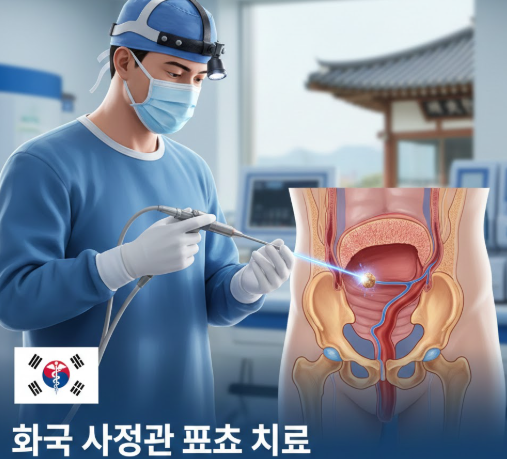
Ejaculatory duct obstruction (EDO) is a condition in which one or both ejaculatory ducts are blocked, preventing sperm from being ejaculated normally and causing male infertility. Treatment in Korea focuses on diagnosing the obstruction accurately and restoring normal ejaculatory function. Advanced surgical and minimally invasive techniques are used to remove blockages and optimize fertility outcomes.
Purpose & Benefits
The main purposes of EDO treatment are:
- Restoring normal semen flow and ejaculatory function
- Improving sperm count and quality in ejaculate
- Enhancing fertility and enabling natural conception or assisted reproduction
Benefits include:
- Significant improvement in sperm parameters and fertility potential
- Relief from symptoms such as painful ejaculation or low semen volume
- Minimally invasive procedures with high success rates
- Enables couples to pursue natural conception before considering ART
Ideal Candidates
EDO treatment is recommended for:
- Men with low semen volume or azoospermia due to suspected duct obstruction
- Individuals with infertility lasting over 6–12 months
- Patients experiencing painful ejaculation or recurrent infections of the male reproductive tract
- Couples planning natural conception or seeking IVF/ICSI if obstruction persists
- Men with congenital or acquired ejaculatory duct blockage
Possible Risks & Complications
EDO treatments are generally safe, but potential risks may include:
- Mild pain or swelling after surgical intervention
- Infection at the surgical site (rare)
- Temporary blood in semen
- Recurrence of obstruction (low risk with precise surgical techniques)
Proper clinical care and follow-up minimize risks.
Techniques & Technology Used
Korean clinics use advanced diagnostic and treatment methods for EDO:
- Transrectal Ultrasound (TRUS) – Identifies obstruction in ejaculatory ducts
- Vasography – Imaging technique to visualize duct blockage
- Transurethral Resection of Ejaculatory Duct (TURED) – Minimally invasive surgery to remove obstructions
- Microsurgical techniques – Precise removal of blockages with minimal tissue damage
- Integration with fertility evaluation – Semen analysis pre- and post-procedure
These techniques ensure accurate diagnosis and effective treatment.
Treatment Process in Korea
The typical process includes:
- Consultation: Comprehensive evaluation of fertility history and symptoms
- Diagnostic Testing: Semen analysis, TRUS, and possible vasography
- Treatment Planning: Selection of appropriate surgical or minimally invasive procedure
- Procedure: Microsurgical or endoscopic correction of the ejaculatory duct obstruction
- Follow-Up: Semen testing and fertility monitoring to confirm restoration of sperm flow
Recovery & After-Care
- Mild discomfort or urinary frequency may occur for a few days
- Avoid strenuous activity and sexual activity for 1–2 weeks
- Antibiotics may be prescribed to prevent infection
- Follow-up semen analysis to evaluate treatment success
- Lifestyle and fertility guidance may be provided
Results & Longevity
- Most men experience improved semen parameters within 1–3 months
- Restoration of ejaculatory function enhances natural conception potential
- Supports ART if natural conception is still challenging
- Long-term results are favorable with low recurrence when treated microsurgically
Why Korea Is a Top Destination
Korea is a leading destination for EDO treatment due to:
- Experienced urologists and reproductive surgeons
- Advanced imaging and minimally invasive surgical facilities
- Integration with fertility evaluation and assisted reproduction programs
- Confidential, patient-focused, and English-language services
- Competitive pricing and internationally accredited clinics
Cost Range
EDO treatment in Korea typically costs $2,000 to $5,000 USD, depending on the procedure type, facility, and additional fertility assessments.
Popular Clinics in Korea
Top clinics for EDO treatment include:
- Banobagi Medical Group – Advanced ejaculatory duct obstruction treatment and fertility evaluation
- Grand Seoul Hospital – Comprehensive male reproductive health and minimally invasive surgery
- JK Plastic Surgery & Medical Clinic – Integrated microsurgical procedures for male infertility
- ID Hospital – International patient-friendly ejaculatory duct obstruction treatment and reproductive care


