
Treatment Overview
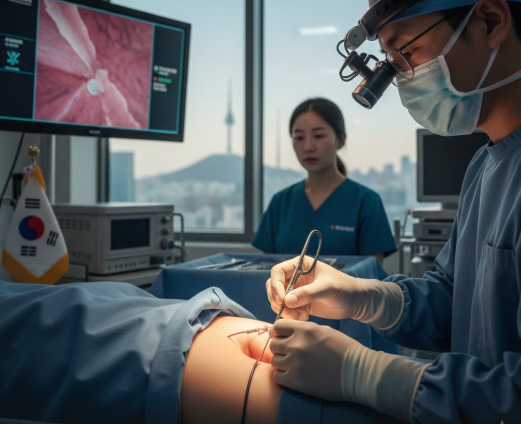
Single-side vasectomy reversal in Korea is a microsurgical procedure designed to restore fertility in men who have had a vasectomy on only one side of the scrotum. Unlike bilateral reversal, this surgery focuses on reconnecting a single vas deferens to allow sperm to flow naturally from the testicle to the ejaculate. Korean clinics are renowned for their advanced microsurgical expertise, precision instruments, and patient-centered care, making them an ideal choice for both domestic and international patients.
The procedure begins with a detailed evaluation, including semen analysis and reproductive health assessment, to ensure the best chance of success for the single-side reversal.
Purpose & Benefits
The primary purpose of single-side vasectomy reversal is to restore partial fertility and optimize chances for natural conception. Benefits include:
- Reestablishing sperm flow from the affected side.
- Potentially improving overall sperm count and motility.
- Avoiding the need for complex reproductive techniques such as IVF.
- Minimizing surgical intervention compared to bilateral reversal, reducing recovery time.
This procedure can be an ideal solution for men who only need one vas deferens restored for fertility purposes.
Ideal Candidates
Ideal candidates for single-side vasectomy reversal in Korea include:
- Men who have undergone vasectomy on one side and wish to regain fertility.
- Patients in good general health with no major chronic conditions.
- Couples with a healthy female partner seeking natural conception.
- Individuals looking for a minimally invasive option compared to full bilateral reversal.
Even men with long-term single-side vasectomies or minor scarring are often suitable candidates thanks to Korea’s advanced microsurgical techniques.
Possible Risks & Complications
While single-side vasectomy reversal is generally safe, potential risks include:
- Infection or bleeding at the surgical site.
- Scar tissue formation affecting sperm flow.
- Temporary or prolonged pain or swelling in the scrotal area.
- Limited improvement in fertility if the other testicle or reproductive system has issues.
Korean surgeons take extensive precautions and provide thorough counseling to minimize risks and ensure patients have realistic expectations.
Techniques & Technology Used
Korean urology clinics use state-of-the-art techniques for single-side vasectomy reversal:
- Microsurgical Vasovasostomy: Precise reconnection of the severed vas deferens under high magnification.
- Microsurgical Vasoepididymostomy: Performed when direct reconnection is not possible due to blockage.
- High-Precision Surgical Instruments: Ensure accuracy and reduce tissue trauma.
- Ultrasonography Guidance: Used as needed to locate the vas deferens and assess obstructions.
These techniques maximize the success rate and minimize recovery time, ensuring high-quality care for patients.
Treatment Process in Korea
The process of single-side vasectomy reversal in Korea includes:
- Consultation and Evaluation: Review of medical history, previous vasectomy details, and fertility goals.
- Preoperative Testing: Semen analysis, blood tests, and imaging studies to evaluate the reproductive system.
- Surgery Scheduling: Hospital admission and pre-surgical preparations for the procedure.
- Microsurgical Procedure: Reconnection of the affected vas deferens under precision magnification.
- Postoperative Monitoring: Follow-up visits for wound care, semen analysis, and fertility assessment.
International patients benefit from English-speaking staff, travel support, and guidance throughout the process.
Recovery & After-Care
After single-side vasectomy reversal, patients should follow a structured recovery plan:
- Rest and avoid strenuous activities for several days.
- Wear supportive garments to reduce swelling and discomfort.
- Take prescribed pain relief and anti-inflammatory medications.
- Attend follow-up appointments for semen analysis and wound evaluation.
Korean clinics provide comprehensive after-care programs to support healing and optimize fertility outcomes.
Results & Longevity
Results of single-side vasectomy reversal depend on factors such as the duration since vasectomy, scar tissue, and overall reproductive health. Typical outcomes include:
- Sperm return in the ejaculate within 1–3 months post-surgery.
- Improvement in sperm motility and quality over 6–12 months.
- Natural conception is achievable for many couples once sperm levels are sufficient.
Long-term fertility is generally maintained if post-surgical monitoring is followed, and patients continue healthy reproductive practices.
Why Korea Is a Top Destination
Korea is a leading destination for single-side vasectomy reversal due to:
- Highly skilled microsurgeons with specialized training.
- State-of-the-art microsurgical equipment and technology.
- Comprehensive post-surgical care and semen monitoring.
- Competitive costs for high-quality care.
- Medical tourism support including travel, accommodation, and translation services.
Patients benefit from expert care combined with precision diagnostics, ensuring optimal outcomes in a comfortable and professional environment.
Cost Range
The cost of single-side vasectomy reversal in Korea varies depending on the clinic and surgical complexity:
- Microsurgical single-side reversal: $3,000–$6,500
- Preoperative evaluation and semen analysis: $150–$400
- Postoperative follow-up and monitoring: $150–$500
Many clinics offer packages for international patients covering consultation, surgery, and follow-up care.
Popular Clinics in Korea
Top clinics for single-side vasectomy reversal in Korea include:
- Seoul Urology & Microsurgery Clinic – Known for precision microsurgery and high success rates.
- JK International Medical Center – Offers tailored packages for medical tourists.
- Samsung Medical Center Urology Department – Combines advanced technology with expert surgical care.
- Asan Medical Center – Provides comprehensive post-surgery monitoring and fertility support.
These clinics are highly recommended for professionalism, patient-focused services, and state-of-the-art facilities.


