
Treatment Overview
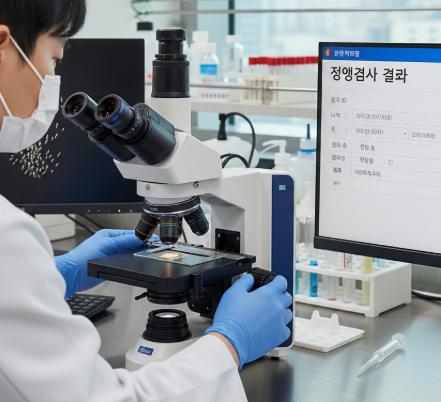
Basic Semen Analysis is the most essential diagnostic test for evaluating male fertility. It measures the quantity and quality of sperm by examining factors such as sperm count, motility, morphology, volume, pH, and overall semen health. This test helps identify potential causes of infertility, reproductive dysfunction, hormonal imbalances, and underlying urological conditions.
In Korea, Basic Semen Analysis is performed using internationally standardized laboratory systems and advanced diagnostic equipment. Korean fertility centers and urology clinics are known for delivering highly accurate, fast, and reliable semen analysis results for both local patients and international medical tourists.
Purpose & Benefits
The primary purpose of Basic Semen Analysis is to assess a man’s reproductive capability. It is the first step for men experiencing difficulty conceiving with a partner or planning fertility treatments. Key benefits include:
- Accurate fertility assessment: Helps determine whether sperm quality is sufficient for natural conception.
- Identification of male infertility issues: Detects problems such as low sperm count, poor motility, abnormal morphology, or infection.
- Guidance for treatment planning: Results help fertility specialists recommend appropriate solutions like medication, hormone therapy, lifestyle changes, or assisted reproductive technology (ART).
- Quick and non-invasive: The procedure is simple, painless, and offers results within hours.
- Pre-IVF screening: Essential before undergoing IVF, IUI, or ICSI.
- Monitoring improvement: Used to track progress after medical treatment or lifestyle modification.
Ideal Candidates
Basic Semen Analysis is recommended for:
- Couples trying to conceive for 6–12 months without success
- Men planning for IVF, IUI, or other fertility procedures
- Men experiencing sexual dysfunction, hormonal imbalance, or testicular conditions
- Individuals with a history of varicocele, cryptorchidism, STIs, or urological surgery
- Men concerned about sperm quality due to age, stress, or lifestyle factors
- Patients exposed to chemicals, radiation, or chronic medical conditions
- Individuals undergoing treatment for cancer and want to assess fertility preservation options
Any male above age 18 who wants to check fertility potential can undergo the test.
Possible Risks & Complications
Basic Semen Analysis is extremely safe with no medical risks. The process involves providing a semen sample through masturbation, which does not cause any side effects. The only possible issues relate to:
- Improper sample collection leading to inaccurate results
- Delayed processing affecting sperm motility metrics
- Contamination if collection instructions are not followed
- Emotional discomfort or anxiety during sample production
In Korea, clinics provide private, hygienic, and comfortable collection rooms to ensure a stress-free environment for patients.
Techniques & Technology Used
Korean laboratories use advanced and automated semen analysis technologies that follow WHO (World Health Organization) guidelines. Some of the commonly used techniques include:
- Computer-Assisted Semen Analysis (CASA): A computerized system that provides highly accurate measurements of motility, speed, and trajectory of sperm.
- Microscopic Evaluation: High-resolution microscopes are used to assess sperm shape, concentration, and abnormalities.
- Automated Counting Chambers: Digital systems that calculate sperm concentration with high precision.
- Morphology Testing: Strict WHO criteria are applied to evaluate the percentage of normally shaped sperm.
- pH & Viscosity Testing: Measures the chemical environment of semen.
- Vitality Testing: Identifies the percentage of live sperm in cases of low motility.
- Hormonal Blood Tests (optional): Some clinics offer testosterone, FSH, and LH testing for a deeper fertility assessment.
Korean fertility centers emphasize accuracy and standardization, ensuring test results meet global medical standards.
Treatment Process in Korea
The semen analysis process in Korea is simple, quick, and fully professional. Medical tourists appreciate Korea’s efficient healthcare system, which ensures minimal waiting time.
- Initial Consultation
A fertility specialist or urologist reviews medical history, sexual health, lifestyle habits, and previous fertility results, if any. - Instructions for Sample Collection
Patients are instructed to maintain 2–5 days of abstinence before the test for maximum accuracy. - On-Site Sample Collection
- A private, sterile room is provided within the clinic.
- The patient produces a semen sample through masturbation into a sterile container.
- Some clinics allow home collection under strict time guidelines.
- Laboratory Analysis
The sample is immediately processed under controlled conditions, measuring:- Volume
- Sperm concentration
- Motility (progressive, non-progressive, immotile)
- Morphology
- Liquefaction time
- pH
- Vitality (if needed)
- Presence of white blood cells or infection indicators
- Results & Interpretation
Results are typically available within 1–2 hours. The doctor explains the findings and discusses whether fertility is normal or requires further intervention. - Follow-Up Plan
If abnormalities are detected, follow-up options include:- Lifestyle optimization
- Supplements for sperm quality
- Hormone therapy
- Varicocele evaluation
- ED or ejaculation disorder assessment
- Assisted reproductive technology
Recovery & After-Care
Since this is a diagnostic test, there is no recovery period. However, after-care recommendations include:
- Maintaining a healthy diet and hydration
- Avoiding heat exposure (hot baths, sauna)
- Reducing stress and improving sleep
- Avoiding smoking, alcohol, and drugs
- Taking supplements like zinc, L-carnitine, vitamin D, and CoQ10 (if recommended)
- Scheduling follow-up tests if abnormalities were found
Many men repeat the test after 2–3 months because sperm cycles take approximately 72–90 days.
Results & Longevity
The results of semen analysis provide valuable insights into fertility status. Key parameters include:
- Normal sperm concentration: ≥15 million per mL
- Normal motility: ≥40% total motility
- Normal morphology: ≥4% normal forms
- Normal volume: ≥1.4 mL
These results help determine whether conception is possible naturally or through assisted reproductive options.
Results remain valid for a few months, but lifestyle changes, illness, or stress can alter semen quality. A repeat test is often recommended for confirmation.
Why Korea Is a Top Destination
Korea has become a popular destination for male fertility testing due to:
- Modern fertility clinics with world-class labs
- High accuracy using CASA & WHO-guided systems
- Fast testing and same-day results
- Advanced fertility specialists with global training
- Affordable medical pricing compared to Western countries
- Confidential and comfortable testing environment for men
- Convenient medical tourism programs for international patients
Korean fertility clinics are known for their professionalism, cutting-edge technology, and patient-focused care.
Cost Range
The cost of Basic Semen Analysis in Korea varies depending on the clinic and diagnostic methods. On average:
- Basic semen analysis: USD 40–100
- Advanced semen analysis (CASA): USD 80–150
- Additional hormone testing (optional): USD 30–80
- Comprehensive male fertility evaluation: USD 150–300
These prices are significantly more affordable compared to the US, Japan, or Europe.
Popular Clinics in Korea
Some well-established clinics offering semen analysis and male fertility diagnostics include:
- CHA Fertility Center
- Seoul National University Hospital Fertility Center
- Mirae Fertility Clinic
- HIM Urology Clinic
- SEOUL IVF Center
- Barun Urology and Fertility Hospital
- Gynolife Fertility Center
These clinics are known for reliable testing, modern labs, and expert fertility specialists.


