
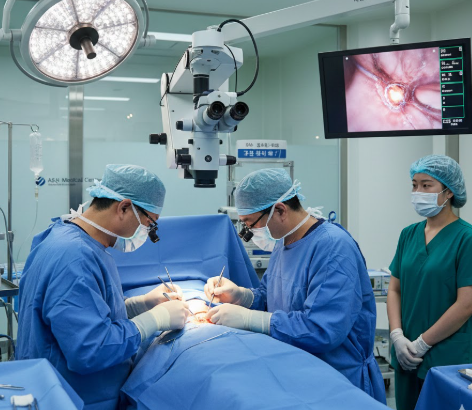
Treatment Overview
Inguinal varicocele surgery is a standard procedure to treat varicocele, a condition characterized by enlarged veins in the scrotum that can impair sperm production, reduce testosterone levels, and cause infertility. This surgery involves making a small incision in the inguinal region to access and ligate the affected veins while preserving arteries and lymphatic vessels.
Korea is a top destination for inguinal varicocele surgery due to its highly experienced urologists, modern operating facilities, and comprehensive male fertility programs. The procedure is safe, effective, and has a high success rate in improving semen parameters and fertility outcomes.
Purpose & Benefits
Purpose
The main objectives of inguinal varicocele surgery are to:
- Correct abnormal venous blood flow in the scrotum
- Restore optimal testicular function
- Improve sperm quality, motility, and morphology
- Reduce scrotal pain or discomfort
- Enhance natural conception or success in assisted reproductive treatments
Benefits
- Permanent correction of dilated veins
- Significant improvement in semen parameters
- Relief from testicular discomfort
- Prevention of progressive testicular damage or atrophy
- Safe and precise surgery with low complication rates
- Short recovery time compared to older open techniques
- Affordable procedure with high success rates in Korean centers
Ideal Candidates
Who Should Consider Inguinal Varicocele Surgery
- Men diagnosed with moderate to severe varicocele through physical examination or ultrasound
- Patients with infertility caused by abnormal semen parameters
- Individuals experiencing chronic testicular pain or heaviness
- Men with testicular atrophy or low testosterone levels
- Couples seeking improved fertility naturally or via IUI/IVF
Special Considerations
- Patients who are not suitable for laparoscopic or microsurgical approaches
- Men with prior failed varicocele treatments
- Individuals with anatomical variations affecting surgical access
Korean clinics perform comprehensive preoperative evaluations, including semen analysis, hormonal testing, and Doppler imaging to ensure optimal surgical outcomes.
Possible Risks & Complications
Common Risks
- Mild swelling or bruising at the incision site
- Temporary discomfort or soreness
- Rare infection due to strict Korean surgical protocols
- Hydrocele formation if lymphatic vessels are accidentally ligated
- Minimal risk of varicocele recurrence
Long-Term Risks
- Persistent pain is uncommon
- Testicular atrophy is very rare when arteries are preserved
- Recurrence rates are low when surgery is performed by experienced Korean surgeons
Techniques & Technology Used
Surgical Approach
Inguinal varicocele surgery in Korea involves:
- Small incision in the inguinal region to access the spermatic cord
- Identification and ligation of dilated veins
- Preservation of testicular arteries and lymphatic vessels
- Optional use of microsurgical loupes for enhanced visualization
- Minimal tissue trauma for faster recovery
Technological Advantages
- Preoperative Doppler ultrasound for vein mapping
- High-powered operating microscopes for precise dissection
- Sterile, state-of-the-art operating rooms
- Experienced urology teams specializing in male infertility
- Postoperative monitoring including semen analysis
Treatment Process in Korea
Step 1: Consultation & Evaluation
- Physical examination and varicocele grading
- Semen analysis and hormonal profile
- Fertility history and review of previous treatments
Step 2: Preoperative Preparation
- Routine blood tests, urine analysis, and anesthesia assessment
- Scrotal ultrasound or Doppler imaging
Step 3: Surgical Procedure
- Performed under local, regional, or general anesthesia
- Small inguinal incision allows direct access to the spermatic cord
- Dilated veins are ligated while preserving arteries and lymphatics
- Surgery duration: 45–90 minutes
Step 4: Postoperative Care
- Short hospital stay or day surgery
- Pain management and wound care instructions
- Monitoring for swelling, bruising, or complications
Step 5: Follow-Up
- Check-ups after 1 week, 1 month, and 3 months
- Repeat semen analysis to evaluate improvement
- Additional interventions if needed
Korean clinics offer comprehensive support for international patients, including language assistance and travel coordination.
Recovery & After-Care
Recovery Timeline
- Light daily activity: 2–3 days post-surgery
- Avoid heavy lifting or intense exercise: 2–4 weeks
- Full recovery: 4–6 weeks
- Mild swelling or bruising resolves within 1–2 weeks
After-Care Recommendations
- Wear supportive underwear for comfort and support
- Avoid prolonged standing or straining
- Take prescribed medications for pain and infection prevention
- Maintain a healthy lifestyle to optimize fertility
- Attend scheduled follow-ups and repeat semen testing
Results & Longevity
Expected Results
- Improved sperm count, motility, and morphology
- Relief from scrotal pain or discomfort
- Increased chance of natural conception or assisted reproduction success
- Potential improvement in testosterone levels
Longevity
- Inguinal varicocele surgery provides a permanent solution to abnormal veins
- Low recurrence rate when performed by experienced Korean surgeons
- Semen quality improvement typically occurs within 3–6 months and continues up to 12 months
Why Korea Is a Top Destination
Advantages of Inguinal Varicocele Surgery in Korea
- Highly skilled urologists specializing in male infertility
- Proven surgical techniques with low complication and recurrence rates
- Affordable and transparent pricing
- Short hospital stays with rapid recovery
- Comprehensive male fertility programs with follow-up semen analysis
- English-speaking staff and medical tourism support
- State-of-the-art operating rooms and equipment
Korea combines safety, expertise, and patient-focused care, making it an ideal destination for male infertility surgery.
Cost Range
Inguinal varicocele surgery in Korea generally costs:
- ₩1,500,000 – ₩3,500,000 KRW
(Approx. $1,200 – $3,000 USD)
The price typically includes surgery, anesthesia, hospital stay, and basic postoperative care. Additional costs may apply for specialized imaging, semen analysis, or fertility consultations.
Popular Clinics in Korea
- Seoul National University Hospital – Urology Department
- Asan Medical Center – Male Infertility Clinic
- Samsung Medical Center – Andrology Unit
- CHA Fertility Center – Male Surgery Department
- Severance Hospital – Yonsei University
- MizMedi Hospital – Male Fertility Division
- Heritage Fertility Center
These clinics are recognized for their experience, high success rates, and comprehensive male fertility services.


