
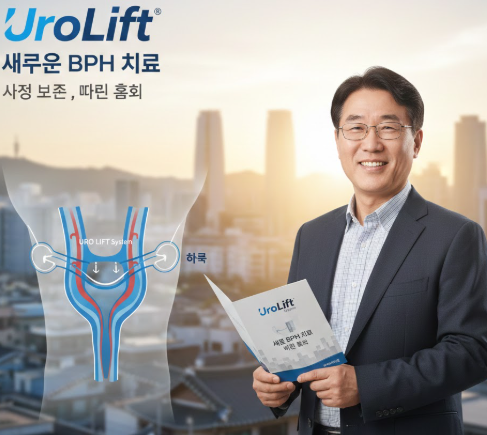
Treatment Overview
UroLift Flow Rate Testing in Korea is a diagnostic and follow-up procedure designed to evaluate urinary flow improvements after UroLift treatment for Benign Prostatic Hyperplasia (BPH). This testing measures the speed and volume of urine flow, helping doctors determine the effectiveness of UroLift implants and monitor long-term outcomes. Korean urology centers utilize advanced uroflowmetry technology to ensure accurate assessment, supporting optimal patient care and symptom management.
Purpose & Benefits
The primary purpose of UroLift Flow Rate Testing is to objectively measure urinary improvements following treatment. Key benefits include:
- Accurate assessment of urine flow speed and volume
- Verification of UroLift implant effectiveness
- Identification of any remaining urinary obstruction
- Early detection of complications or implant-related issues
- Personalized follow-up care and treatment planning
- Enhanced patient confidence through objective results
Ideal Candidates
Ideal candidates for UroLift Flow Rate Testing include:
- Men who have undergone UroLift treatment for BPH
- Patients experiencing persistent or recurring urinary symptoms
- Individuals with weak urine flow or nocturia after treatment
- Men seeking objective assessment of post-procedure outcomes
- Patients requiring routine follow-up to monitor long-term efficacy
Possible Risks & Complications
UroLift Flow Rate Testing is a non-invasive and safe procedure, but minor considerations include:
- Temporary urinary urgency during testing
- Mild discomfort while voiding into the flow meter
- Rare inaccurate readings if bladder is not adequately filled
Techniques & Technology Used
UroLift Flow Rate Testing uses advanced uroflowmetry systems:
- Patient urinates into a specialized flow meter
- Device measures urine flow rate, volume, and voiding pattern
- Data is recorded digitally for detailed analysis
- Results are compared to pre-treatment measurements to assess improvement
- Provides objective information to guide further management
Treatment Process in Korea
The typical UroLift Flow Rate Testing process in Korea includes:
- Consultation: Discuss urinary symptoms and reason for testing
- Preparation: Ensure the bladder is sufficiently filled before testing
- Flow Rate Measurement: Patient urinates into the flow meter while data is recorded
- Data Analysis: Urologist evaluates flow rate, volume, and voiding pattern
- Follow-Up Recommendations: Based on results, adjustments or additional care may be recommended
Recovery & After-Care
Since UroLift Flow Rate Testing is non-invasive:
- No downtime is required
- Normal activities can resume immediately
- Results guide any necessary changes to treatment or follow-up schedule
Results & Longevity
Flow Rate Testing provides clear, objective results to monitor UroLift efficacy:
- Confirms improvement in urinary flow after UroLift implants
- Detects persistent obstruction or urinary complications early
- Supports long-term management of BPH symptoms
- Helps track treatment success over multiple years
- Can guide further interventions if necessary
Why Korea Is a Top Destination
Korea is a preferred destination for UroLift Flow Rate Testing due to:
- Advanced urology centers with state-of-the-art uroflowmetry equipment
- Experienced urologists skilled in BPH management and UroLift follow-up
- Comprehensive care for international patients, including consultation, translation, and travel assistance
- High standards of safety, hygiene, and patient monitoring
- Affordable diagnostic services compared to many Western countries
Cost Range
The cost of UroLift Flow Rate Testing in Korea typically ranges from $150 to $400, depending on:
- Clinic and hospital facility
- Inclusion of consultation and analysis
- Combination with other follow-up assessments
Popular Clinics in Korea
Some of the top clinics offering UroLift Flow Rate Testing in Korea include:
- Seoul Urology & Andrology Clinic
- JK Male Health Center, Seoul
- Korea Men’s Health Institute, Seoul
- VIP Male Clinic, Gangnam
- Dr. Kim’s Urology Clinic, Busan


