
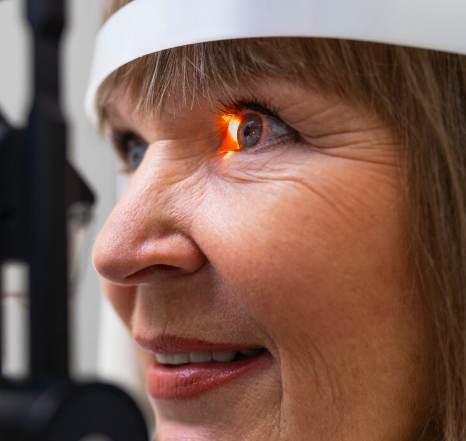
Treatment Overview
Retinal Fold Correction Surgery in Korea is a highly specialized vitreoretinal procedure designed to repair retinal folds—wrinkles or creases that develop in the retina due to postoperative complications, traumatic injury, previous retinal detachment repair, or persistent traction. These folds can distort vision, alter image perception, and cause visual discomfort or reduced clarity.
The procedure typically involves microincision vitrectomy, membrane peeling (if tractional membranes are present), perfluorocarbon liquid (PFCL) flattening, and gas or silicone oil tamponade to restore the correct retinal contour. In Korea, surgeons use advanced imaging tools such as intraoperative OCT and digital 3D visualization to achieve extremely precise fold correction.
Korea’s leading retina centers integrate:
- 25G/27G microincision vitrectomy for minimal trauma
- Intraoperative OCT imaging for real-time fold visualization
- PFCL-assisted flattening of retinal contours
- Gas or silicone oil tamponade for stable reattachment
- High-precision membrane peeling tools
- Rapid outpatient recovery systems with enhanced postoperative monitoring
This results in highly successful retinal fold repair, improved visual quality, and superior long-term anatomical outcomes.
Purpose & Benefits
Purpose
- Correct retinal folds and restore anatomical alignment
- Reduce or eliminate visual distortion
- Remove tractional forces causing the fold
- Restore retinal surface smoothness
- Support retinal reattachment where needed
Benefits
- Minimally invasive microincision vitrectomy
- Significant improvement in visual distortion and clarity
- High-precision fold correction using intraoperative OCT
- Can be combined with membrane peeling or tamponade
- Excellent outcomes with Korea’s advanced retinal surgery systems
Ideal Candidates
Retinal Fold Correction Surgery in Korea is ideal for:
- Patients with persistent retinal folds after retinal detachment repair
- Individuals with visually significant macular or extramacular folds
- Trauma-induced retinal folding
- Eyes with tractional forces from membranes or scar tissue
- Patients requiring advanced imaging–guided fold correction
Possible Risks & Complications
Common/Moderate Risks
- Temporary blurred vision
- Mild inflammation
- Small areas of edema
- Temporary rise in intraocular pressure
Rare/Serious Risks
- Recurrent folds
- Persistent epiretinal membrane formation
- Infection (endophthalmitis)
- Macular edema
- Retinal detachment (rare)
Korean retina surgeons minimize risks through:
- Ultra–high-precision microincision vitrectomy
- Intraoperative OCT for visualizing folds during correction
- Controlled PFCL-assisted flattening
- Use of advanced minimally invasive instrumentation
Related Diagnostic & Treatment Techniques
- Microincision Vitrectomy (25G/27G)
- Epiretinal Membrane Peeling
- Perfluorocarbon Liquid (PFCL) Assisted Flattening
- Gas/Silicone Oil Tamponade
- Intraoperative OCT Imaging
- Endolaser Photocoagulation (if needed)
- Cataract Surgery (optional combined procedure)
Treatment Process in Korea
Step 1 – Preoperative Assessment
- Comprehensive retinal evaluation
- OCT and wide-field imaging to map fold severity
- Planning of vitrectomy, membrane peeling, and tamponade
Step 2 – Surgical Planning
- Selection of vitrectomy gauge (25G/27G)
- Determination of need for PFCL or membrane peeling
- Planning combined procedures if indicated
Step 3 – Retinal Fold Correction Surgery
- Local or general anesthesia
- Microincision vitrectomy to release traction
- PFCL application to flatten retinal folds
- Gas or silicone oil tamponade for stabilization
- Optional membrane peeling if tractional tissue is present
Step 4 – Postoperative Evaluation
- OCT to confirm fold correction
- Monitoring of intraocular pressure and vision
- Anti-inflammatory and antibiotic medications
Step 5 – Follow-Up & Maintenance
- Regular retinal imaging
- Monitoring for recurrence
- Additional interventions only if complications occur
Recovery & After-Care
After-Care Guidelines
- Maintain postoperative positioning if gas tamponade is used
- Avoid heavy lifting, eye rubbing, or pressure
- Adhere to all prescribed eye drops
- Attend all scheduled follow-up visits
Recovery Timeline
- Immediate: Blurred vision due to tamponade
- 1–2 Weeks: Decrease in inflammation; early vision improvement
- 4–8 Weeks: Retinal contour stabilizes; folds typically resolved
- Long-Term: Continued monitoring ensures stable retinal alignment
Results & Longevity
Expected Results
- Effective correction of retinal folds
- Significant reduction in visual distortion
- Stabilized or improved central and peripheral vision
- Durable restoration of retinal anatomy
Longevity
- Results are typically long-lasting
- Recurrence is rare with Korea’s advanced surgical techniques
- Lifelong OCT monitoring advised for high-risk patients
Why Korea Is a Top Destination
- High-volume, internationally trained vitreoretinal surgeons
- Intraoperative OCT-guided microincision fold correction
- 3D digital surgical visualization systems
- PFCL-assisted flattening techniques
- Combination procedures available when needed
- Rapid, efficient outpatient surgery pathways
- Exceptional surgical outcomes with low complication rates
Unique Korean Innovations
- OCT-guided PFCL-assisted fold correction
- AI-driven surgical planning
- Ultra–microforceps for tractional release
- Customized postoperative positioning protocols
- High-resolution digital visualization systems
Cost Range (Indicative Estimate)
| Package | Price (KRW) | Approx. USD | Inclusions |
|---|---|---|---|
| Standard Fold Correction | ₩6,000,000 – ₩9,500,000 | ~$4,600 – $7,300 | Microincision vitrectomy + PFCL + OCT |
| Fold Correction + Tamponade | ₩7,500,000 – ₩11,000,000 | ~$5,700 – $8,500 | Vitrectomy + PFCL + gas/silicone oil |
| Fold Correction + Combined Procedure (ERM Peeling/Cataract) | ₩9,000,000 – ₩14,000,000 | ~$6,900 – $10,700 | Vitrectomy + membrane peeling or cataract surgery + OCT |
Popular Clinics in Korea
- B&VIIT Eye Center (Seoul)
- Dream Eye Center (Seoul)
- BGN Eye Clinic (Seoul & Busan)
- Kim’s Eye Hospital (Seoul)
- Seoul National University Hospital – Retina Center
- NUNE Eye Hospital (Daegu)
- Glory Seoul Eye Clinic
- Gangnam Severance Hospital – Ophthalmology


