
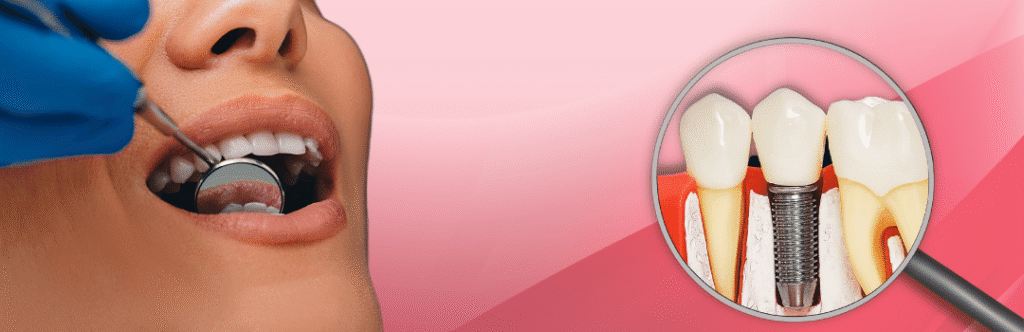
Dental implants offer a durable and natural-feeling solution for replacing missing teeth. But to keep your implants healthy and lasting a lifetime, it’s essential to practice proper care. Just like natural teeth, dental implants require daily maintenance and good habits to prevent complications such as gum disease or implant failure.
In this guide, we’ll walk you through the essential do’s and don’ts for caring for your dental implants — helping you enjoy a healthy, beautiful smile for years to come.
The Importance of Dental Implant Care
While dental implants are designed to integrate permanently with your jawbone, they are not immune to problems. The surrounding gum tissue can develop inflammation or infection (called peri-implantitis) if plaque and bacteria are not properly controlled. This can lead to bone loss and implant failure.
Therefore, maintaining excellent oral hygiene and regular dental visits are critical to implant success.
✅ Do’s: Best Practices for Dental Implant Care
1. Brush Twice Daily with a Soft-Bristled Toothbrush
Use a gentle toothbrush to clean your implants, crowns, and surrounding gums without damaging delicate tissues.
2. Floss Daily Using Implant-Friendly Tools
Use floss designed for implants, such as PTFE floss or super floss, to remove plaque between teeth and implants. Interdental brushes or water flossers are excellent alternatives.
3. Use an Antibacterial Mouthwash
Rinse daily with an antimicrobial mouthwash recommended by your dentist to reduce harmful bacteria.
4. Maintain Regular Dental Checkups and Professional Cleanings
Visit your dentist every 6 months, or more frequently if recommended, for professional cleanings and implant evaluations.
5. Eat a Balanced Diet Rich in Nutrients
A diet rich in calcium, vitamin C, and other nutrients supports gum and bone health essential for implant stability.
6. Stay Hydrated
Drinking water helps wash away food particles and maintains saliva flow, which protects against bacteria buildup.
7. Use a Nightguard if You Grind Your Teeth
Bruxism can place excessive stress on implants and crowns, leading to damage or failure. A custom nightguard protects your investment.
❌ Don’ts: Habits to Avoid with Dental Implants
1. Don’t Smoke or Use Tobacco Products
Smoking impairs healing, decreases blood flow, and increases the risk of peri-implantitis and implant failure.
2. Avoid Hard or Sticky Foods
Chewing on ice, hard candies, or sticky sweets can damage implant crowns or loosen prosthetics.
3. Don’t Neglect Your Oral Hygiene
Skipping brushing, flossing, or dental visits increases plaque buildup and the risk of infection around implants.
4. Avoid Using Abrasive Toothpaste or Hard-Bristled Brushes
Harsh abrasives or stiff bristles can scratch implant surfaces and irritate gum tissue.
5. Don’t Ignore Signs of Trouble
If you notice pain, swelling, bleeding, or mobility around your implant, contact your dentist immediately. Early treatment prevents complications.
6. Avoid Excessive Alcohol Consumption
Alcohol can interfere with healing and contribute to gum inflammation.
Additional Tips for Implant Longevity
- Use fluoride mouthwash as recommended to strengthen teeth and gums.
- Avoid nail-biting, chewing pens, or other bad habits that put pressure on implants.
- Wear a sports mouthguard if you play contact sports.
- Follow your dentist’s post-op instructions carefully after implant surgery for smooth healing.
When to Contact Your Dentist
Schedule an appointment if you experience:
- Persistent pain or discomfort around the implant
- Swelling or redness in the gums
- Bleeding when brushing or flossing
- Implant loosening or movement
- Unusual bad breath or taste
Prompt care can prevent implant loss and other serious issues.
Final Thoughts
Dental implants are a fantastic investment in your oral health and smile, but their long-term success depends on how well you care for them. By following these do’s and don’ts, practicing excellent oral hygiene, and maintaining regular dental visits, you can enjoy your implants for decades with confidence and comfort.


