
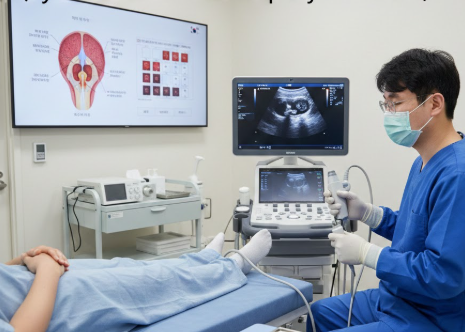
Treatment Overview
A Systematic Prostate Biopsy is a diagnostic procedure used to detect prostate cancer. It involves taking multiple tissue samples (usually 10–12 cores) from different zones of the prostate to ensure thorough examination. Unlike targeted biopsies, which focus on MRI-identified lesions, systematic biopsy follows a predefined sampling pattern, providing comprehensive coverage.
Korea is known for performing this procedure using high-resolution ultrasound guidance, sterile techniques, and experienced urologists. Hospitals in Seoul, Busan, and other major cities offer excellent facilities for both domestic and international patients, making it an attractive choice for medical tourists.
Purpose & Benefits
The main purpose of a systematic prostate biopsy is to detect or rule out prostate cancer, especially when PSA levels are elevated or abnormalities are detected in a digital rectal exam.
Benefits include:
- Comprehensive sampling of the prostate to detect hidden tumors
- Reliable diagnosis even without visible MRI lesions
- Fast procedure, often completed in less than 20 minutes
- Minimal risk of serious complications due to Korea’s high standards
- Early detection, aiding prompt treatment and better outcomes
Ideal Candidates
Systematic prostate biopsy is recommended for:
- Men with elevated PSA levels
- Individuals with abnormal digital rectal exam findings
- Patients with a family history of prostate cancer
- Men whose MRI results are inconclusive or show no clear lesions
- Patients requiring confirmation after a previous negative biopsy
Possible Risks & Complications
While generally safe, potential risks include:
- Mild bleeding in urine, semen, or stool
- Temporary discomfort in the prostate or rectal area
- Urinary retention (rare)
- Infection (very low risk in Korea due to strict sterilization protocols)
Techniques & Technology Used
Korean hospitals use advanced tools to improve safety and accuracy:
- High-resolution transrectal ultrasound (TRUS)
- Automatic spring-loaded biopsy needles for precise tissue collection
- Local anesthesia or periprostatic nerve block for patient comfort
- Real-time ultrasound imaging to avoid blood vessels and other sensitive structures
Some centers combine systematic biopsy with MRI guidance for better precision.
Treatment Process in Korea
- Consultation & Review – PSA test and medical history evaluation
- Preparation – Antibiotics and local anesthesia
- Biopsy Procedure – 10–12 cores collected using TRUS guidance
- Observation – Short recovery period before discharge
- Pathology Report – Usually ready in 3–5 days
Medical tourism services assist with translation, scheduling, and follow-up care.
Recovery & After-Care
- Mild soreness and temporary blood in urine or semen may occur
- Drink plenty of fluids
- Avoid strenuous activity and sexual activity for 24–48 hours
- Take prescribed antibiotics
- Seek medical care for fever, severe pain, or urinary difficulties
Results & Longevity
Results include Gleason score, Grade Group, and cancer extent. This information guides treatment decisions, whether active surveillance, surgery, or radiation therapy. Results remain valid long-term unless PSA rises or new symptoms appear.
Why Korea Is a Top Destination
- Highly skilled urologists and radiologists
- Advanced ultrasound and biopsy technology
- Low complication rates
- English-speaking medical tourism support
- Fast scheduling and efficient care
- Affordable prices compared to Western countries
Cost Range
Typical costs range from:
₩900,000 – ₩2,000,000 KRW (~$700–$1,500 USD)
Costs vary depending on hospital type, anesthesia, MRI involvement, and additional services.
Popular Clinics in Korea
- Seoul National University Hospital – Urology Center
- Asan Medical Center – Prostate Clinic
- Samsung Medical Center – Urology Department
- Gangnam Severance Hospital – Urology Division
- Korea University Anam Hospital – Urology Department
- JK Urology & Men’s Health Clinics – International Patient Services


