
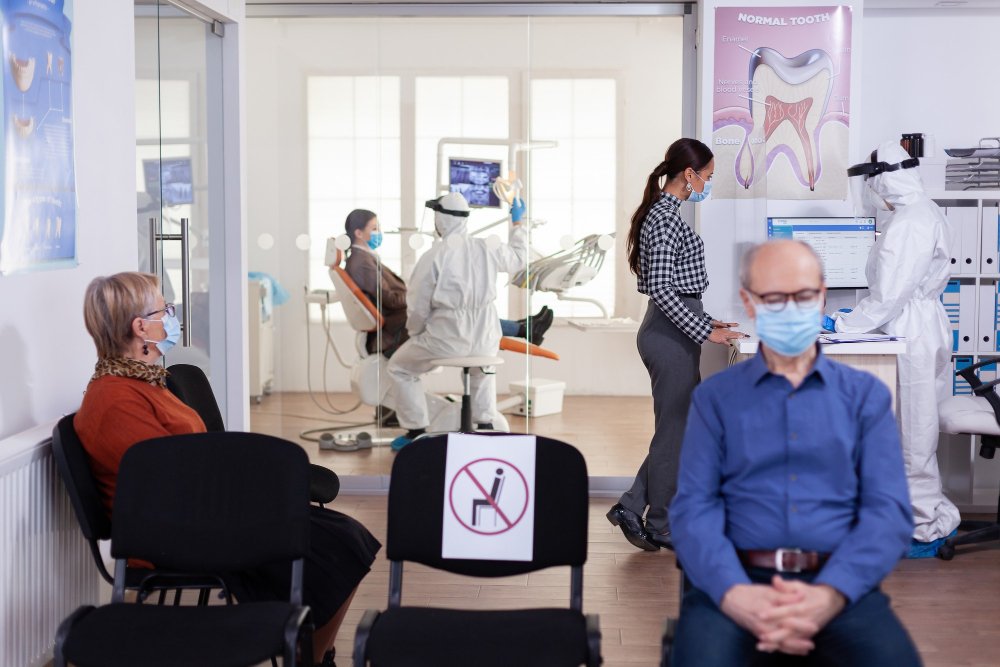
Dental implants have revolutionized tooth replacement, offering a permanent and natural-looking solution. However, if you have a heart condition—such as coronary artery disease, a history of heart attack, or require blood thinners—you may wonder whether dental implants are safe for you. This article explores the safety of dental implants for heart patients, the potential risks, and how to prepare for a safe and successful procedure.
Understanding Dental Implants
Dental implants are titanium posts surgically placed into the jawbone to support a crown, bridge, or denture. The procedure involves oral surgery and a healing period during which the implant integrates with the bone (osseointegration).
The Link Between Dental Procedures and Heart Health
Heart patients need to be cautious with any medical procedure, including dental surgery, due to:
- Risk of Infection: Especially infective endocarditis, a serious infection of the heart’s inner lining.
- Use of Anticoagulants (Blood Thinners): These can increase the risk of bleeding during and after surgery.
- Stress Response: Dental procedures can trigger stress or anxiety, potentially increasing blood pressure or heart rate.
- Drug Interactions: Some medications used in dental care can interact with heart medications.
Are Dental Implants Safe for Heart Patients?
1. Yes, With Proper Medical Management
Most heart patients can safely undergo dental implant surgery, but it requires coordination between your cardiologist and oral surgeon. Individual risk factors must be assessed, including:
- Type and severity of heart disease
- Medications (e.g., anticoagulants, beta-blockers, ACE inhibitors)
- History of strokes or heart attacks
- Presence of pacemakers or defibrillators
2. Antibiotic Prophylaxis May Be Necessary
Patients with certain heart conditions may be advised to take antibiotics before the procedure to reduce the risk of infective endocarditis. This includes those with:
- Artificial heart valves
- Previous endocarditis
- Congenital heart defects
- Cardiac transplant with valvulopathy
3. Monitoring Blood Thinners
If you’re on medications like warfarin, clopidogrel (Plavix), or newer anticoagulants, your implant dentist will coordinate with your cardiologist to decide whether to:
- Continue your medication during the procedure (common in many cases)
- Temporarily adjust the dose
- Use local hemostatic measures to control bleeding
Stopping blood thinners without medical advice is dangerous and can lead to heart attacks or strokes.
Steps to Ensure Implant Safety for Heart Patients
1. Comprehensive Medical Evaluation
Before surgery, your oral surgeon will take a full medical history, including recent cardiac tests and a medication list.
2. Team-Based Approach
Expect communication between your cardiologist, primary care physician, and dental surgeon to ensure a tailored and safe treatment plan.
3. Stress Reduction Techniques
For anxious patients, your dentist may use:
- Short, minimally invasive appointments
- Local anesthesia with minimal vasoconstrictors
- Sedation options like nitrous oxide or oral sedatives, if approved by your physician
4. Close Monitoring During Surgery
Your vital signs, oxygen levels, and heart rhythm may be monitored throughout the procedure.
When Might Dental Implants Be Delayed or Avoided?
There are a few situations where implants may be delayed or contraindicated, such as:
- Recent heart attack (typically within 6 months)
- Uncontrolled hypertension
- Severe arrhythmias
- Unstable angina
- Advanced heart failure (ejection fraction under 30%)
- Active endocarditis or infection
In such cases, your doctor may recommend alternative treatments like removable dentures or temporary restorations until you’re medically stable.
Conclusion: Personalized Safety is Key
Dental implants are generally safe for heart patients when proper precautions are taken. The key is a collaborative approach involving your cardiologist and dental team. If you have heart disease and are considering dental implants, don’t hesitate to ask questions, share your full medical history, and ensure you’re treated in a facility equipped for complex medical needs.


