
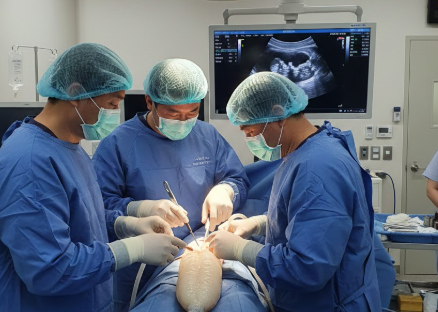
Treatment Overview
Large Spermatocele Removal in Korea is a specialized surgical procedure aimed at removing spermatoceles—benign cysts in the epididymis—that have grown large enough to cause discomfort, pain, or scrotal swelling. These cysts contain fluid and sperm, and while small spermatoceles are often asymptomatic, large ones can interfere with daily activities or affect quality of life.
Korean hospitals provide advanced minimally invasive and microsurgical techniques for precise removal, preserving epididymal and testicular function. International patients benefit from highly skilled urologists, modern facilities, and comprehensive medical tourism services.
Purpose & Benefits
The main purposes of large spermatocele removal include relieving symptoms, preventing complications, and ensuring optimal scrotal health.
Key benefits include:
- Relief from scrotal discomfort, heaviness, or pain
- Safe removal of large cysts to prevent rupture or infection
- Preservation of fertility and epididymal function
- Minimally invasive or microsurgical techniques for minimal scarring
- Accurate histopathology to confirm benign nature
- Quick recovery and minimal downtime
- Enhanced cosmetic appearance and patient confidence
Korean microsurgical methods ensure precise excision and effective outcomes even for large cysts.
Ideal Candidates
Large Spermatocele Removal in Korea is suitable for men who:
- Have large or symptomatic spermatoceles causing discomfort or swelling
- Exhibit growing cysts that interfere with daily life
- Require surgical intervention to prevent rupture or infection
- Are concerned about cosmetic appearance or scrotal deformity
- Seek minimally invasive and high-quality surgical care
- Are international patients seeking skilled urologists and advanced facilities
Candidates should be medically stable and suitable for anesthesia and surgery.
Possible Risks & Complications
While large spermatocele removal is generally safe, potential risks include:
- Mild swelling, bruising, or tenderness at the surgical site
- Infection (rare in Korea due to strict hygiene standards)
- Scar formation at the incision site
- Rare recurrence if the cyst is incompletely removed
- Rare injury to epididymis or testicle
- Reaction to anesthesia
Korean microsurgical expertise and strict postoperative care minimize these risks effectively.
Techniques & Technology Used
Korean hospitals use advanced techniques for large spermatocele removal:
Ultrasound & Imaging Guidance
High-resolution ultrasound confirms the size, location, and relation of the cyst to the epididymis and testicle.
Minimally Invasive Microsurgery
Small incisions with magnification allow precise excision while preserving surrounding structures.
Suturing & Closure
Advanced microsurgical suturing ensures proper healing with minimal scarring.
Histopathology
Excised tissue is analyzed to confirm benign nature and rule out rare pathology.
These techniques provide safe, precise, and cosmetically favorable results for large cysts.
Treatment Process in Korea
The treatment process for large spermatocele removal in Korea is patient-centered and streamlined:
Consultation & Diagnostic Evaluation
A urologist examines the scrotum and orders imaging and lab tests to evaluate the cyst size and condition.
Preoperative Preparation
Patients undergo routine blood tests and anesthesia evaluation before surgery.
Surgical Procedure
Under local or general anesthesia, the large spermatocele is excised using minimally invasive microsurgical techniques. The procedure typically takes 45–90 minutes depending on cyst size.
Postoperative Observation
Patients are monitored for bleeding, swelling, or infection. Most can return home the same day or after a short hospital stay.
Follow-Up
Follow-ups ensure proper healing, monitor fertility and testicular function, and provide guidance for long-term care. Telemedicine follow-ups are available for international patients.
Recovery & After-Care
Recovery after large spermatocele removal is generally quick and manageable.
Recommended after-care includes:
- Wearing supportive underwear to reduce swelling and discomfort
- Keeping the surgical site clean and dry
- Taking prescribed antibiotics or pain medications as needed
- Avoiding heavy lifting, strenuous activity, and sexual activity for 1–2 weeks
- Monitoring for signs of infection such as redness, swelling, or discharge
Most patients can resume light daily activities within 3–5 days, with full recovery typically in 2–4 weeks.
Results & Longevity
Large spermatocele removal in Korea provides safe, effective, and long-lasting results.
Expected outcomes include:
- Complete relief from scrotal heaviness, swelling, or discomfort
- Preservation of fertility and epididymal/testicular function
- Minimal scarring due to microsurgical techniques
- Low recurrence rates when cyst is fully excised
- Accurate histopathology for reassurance
- Improved quality of life, comfort, and confidence
Korean hospitals combine advanced diagnostics and microsurgical expertise to ensure optimal outcomes.
Why Korea Is a Top Destination
Korea is a leading destination for large spermatocele removal due to:
- Highly skilled urologists and microsurgeons
- Advanced imaging and surgical technology
- Low complication and recurrence rates
- Comprehensive international patient services, including translators, transport, and coordinators
- Affordable, high-quality care compared to Western countries
- Fast scheduling and outpatient-friendly procedures
- Thorough postoperative follow-up and support
Medical tourists choose Korea for precise, safe, and minimally invasive scrotal surgeries.
Cost Range
The cost of large spermatocele removal in Korea depends on cyst size and complexity:
- Simple or moderate cyst removal: $2,000 – $4,000
- Microsurgical removal for very large or complex cysts: $4,000 – $6,500+
Costs generally include consultation, imaging, anesthesia, surgery, medications, and follow-up care. Many hospitals offer medical tourism packages including accommodation and airport transfers.
Popular Clinics in Korea
Some of the top hospitals and clinics for large spermatocele removal include:
- Seoul National University Hospital – Urology Department
- Asan Medical Center – Urology Division
- Samsung Medical Center – Men’s Health & Urology Clinic
- Severance Hospital (Yonsei University) – Urology Department
- Wooridul Urology Clinic
- Hana Urology Clinic (Seoul)
- Korea University Hospital – Andrology & Urology Center
These facilities are known for advanced microsurgical care, accurate diagnosis, and comprehensive international patient services.


