
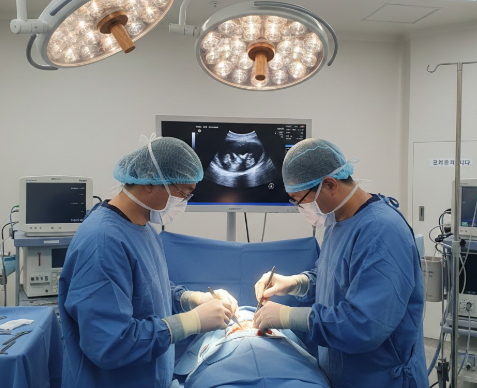
Treatment Overview
Hydrocele Repair Surgery in Korea is a highly effective procedure designed to remove fluid that accumulates around the testicle, causing swelling of the scrotum. A hydrocele is usually harmless, but it can grow larger and lead to discomfort, pressure, or embarrassment. For medical tourists, Korea is among the best destinations offering safe, advanced, and minimally invasive hydrocele treatment performed by urology specialists.
Korean hospitals use modern diagnostic tools, including high-resolution ultrasound, and perform microsurgical hydrocelectomy to minimize recurrence, reduce postoperative discomfort, and ensure fast recovery. International patients appreciate Korea’s top-tier healthcare standards, English-speaking coordinators, and reliable results.
Purpose & Benefits
The main purpose of hydrocele repair is to remove the accumulated fluid and prevent future buildup. It restores normal scrotal size, eliminates discomfort, and improves quality of life.
Benefits include:
- Relief from scrotal swelling and heaviness
- Reduced discomfort during walking, sitting, or exercising
- Permanent correction with extremely low recurrence rates
- Improved scrotal appearance and symmetry
- Minimal scarring using modern microsurgical techniques
- Fast recovery and short hospital stay
- Enhanced confidence and physical comfort
For patients who want a long-lasting and safe solution, Korean hydrocelectomy offers excellent outcomes.
Ideal Candidates
Hydrocele Repair Surgery in Korea is ideal for:
- Men with large or chronic hydroceles
- Those experiencing discomfort, heaviness, or scrotal pressure
- Patients with hydroceles resulting from trauma, infection, or past surgeries
- Individuals concerned about appearance or swelling
- Medical tourists seeking high-quality yet affordable surgical care
- Patients who prefer minimally invasive or microsurgical techniques
Candidates should be in overall good health and be able to undergo anesthesia. Korea’s pre-surgery evaluation ensures personalized and safe treatment planning.
Possible Risks & Complications
Hydrocele repair is considered a low-risk operation, but as with any surgical procedure, some complications may occur, such as:
- Minor bleeding or infection
- Temporary swelling or tenderness
- Recurrence of the hydrocele (very rare in Korea)
- Injury to structures such as the epididymis
- Mild scarring
- Reaction to anesthesia
Korean microsurgical techniques significantly lower the risk of complications, making the procedure highly reliable for both local and international patients.
Techniques & Technology Used
Korea is known for using modern and refined surgical methods for hydrocele treatment. Some of the commonly used techniques include:
Microsurgical Hydrocelectomy
A precise technique performed using a surgical microscope. It minimizes tissue damage and recurrence while protecting delicate structures.
Jaboulay Eversion Procedure
The hydrocele sac is opened, drained, and turned inside-out to prevent fluid from returning. This method is useful for large hydroceles.
Lord’s Plication Technique
The sac is folded and tightened instead of being removed, reducing postoperative swelling and pain.
Open Hydrocelectomy
A traditional but effective method involving a small scrotal incision to remove excess fluid and repair the sac.
Ultrasound-Guided Diagnosis & Planning
Korean clinics use advanced ultrasound systems to accurately diagnose hydroceles and rule out other issues such as hernias or tumors.
These techniques ensure precise, safe, and long-term results.
Treatment Process in Korea
The hydrocele repair treatment journey in Korea is streamlined, efficient, and designed to support international patients from start to finish.
1. Consultation & Diagnosis
The patient undergoes a physical exam and scrotal ultrasound. Clinics provide English-speaking medical coordinators and teleconsultation options for medical tourists.
2. Pre-Surgical Evaluation
Blood tests and anesthesia assessments are performed. The surgeon explains the procedure, risks, expected results, and recovery timeline.
3. Surgery Day
The procedure takes about 30–60 minutes and is done under local, spinal, or general anesthesia depending on the patient’s needs. The surgeon drains the fluid and repairs the hydrocele sac using microsurgical or standard methods.
4. Post-Surgery Recovery
Most patients rest for a few hours and can return to their hotel the same day. Korean clinics provide precise after-care instructions and follow-up communication.
5. Follow-Up Appointment
A follow-up visit is usually scheduled within 7–14 days. International patients may receive video or email follow-up instead.
Recovery & After-Care
Recovery after hydrocele surgery in Korea is generally fast and comfortable. Most patients resume daily activities within 3–7 days.
After-care recommendations include:
- Wearing supportive underwear for 1–2 weeks
- Avoiding heavy lifting and strenuous exercise for 2–3 weeks
- Applying cold packs to reduce swelling
- Keeping the incision clean and dry
- Taking prescribed antibiotics or pain relievers
- Avoiding sexual activity for 3–4 weeks
Mild bruising or swelling is normal and gradually improves. Full recovery typically takes 4–6 weeks.
Results & Longevity
Hydrocele Repair Surgery in Korea provides long-lasting, often permanent results. Once the hydrocele sac is treated or removed, fluid buildup is unlikely to recur.
Patients experience:
- Permanent reduction of swelling
- Improved scrotal symmetry
- Relief from pain or heaviness
- Boost in mobility and comfort
- No impact on fertility or sexual function
The long-term success rate is extremely high due to Korea’s expertise in microsurgery.
Why Korea Is a Top Destination
Korea is one of the world’s best countries for hydrocele repair surgery due to:
- Highly experienced urologists specializing in microsurgery
- State-of-the-art medical facilities and surgical technology
- Exceptional success rates and low complication rates
- International patient-friendly systems with translators and coordinators
- Affordable treatment compared to Western countries
- Efficient scheduling and short waiting times
Many medical tourists choose Korea for its precision surgery, safety, and smooth overall experience.
Cost Range
The typical cost for Hydrocele Repair Surgery in Korea is:
KRW 1,800,000 – KRW 4,000,000
Approximately USD 1,400 – USD 3,000.
Costs vary based on:
- Clinic reputation
- Surgeon experience
- Type of surgical technique (microsurgery vs. standard)
- Anesthesia used
- Pre-op tests and after-care services
Medical tourism packages may include hotel booking support, translation, and transportation.
Popular Clinics in Korea
Some leading clinics and hospitals offering hydrocele surgery include:
- Seoul National University Hospital
- Asan Medical Center
- Samsung Medical Center
- Severance Hospital (Yonsei University)
- WISH Urology Clinic
- JK Medical Group – Urology Center
- Hana Urology Clinic
These facilities are well-known for excellent care and experience with international patients.


