
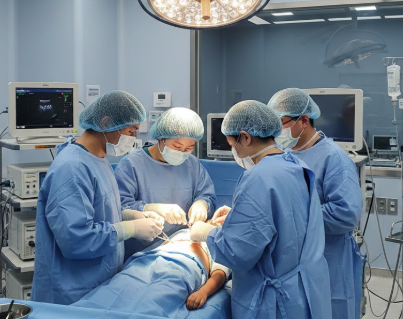
Treatment Overview
Pediatric Testicular Torsion Surgery in Korea is an urgent urological procedure designed to correct testicular torsion in boys and adolescents. Testicular torsion occurs when the spermatic cord twists, cutting off blood flow to the testicle, which can cause permanent damage if not treated promptly.
Korean pediatric urologists specialize in rapid assessment and microsurgical intervention to untwist the spermatic cord, restore blood supply, and perform orchidopexy (surgical fixation of the testicle) to prevent recurrence. Korea’s hospitals are equipped to provide fast, safe, and precise care for pediatric patients, including international medical tourists.
Purpose & Benefits
The primary goals of pediatric testicular torsion surgery are to save the affected testicle, relieve pain, and prevent future torsion.
Key benefits include:
- Immediate restoration of blood flow to prevent testicular loss
- Rapid relief from severe scrotal pain and swelling
- Prevention of long-term complications such as infertility or testicular atrophy
- Surgical fixation (orchidopexy) of both testicles to reduce recurrence risk
- Minimally invasive and precise techniques for faster recovery
- Preservation of sexual and reproductive function in later life
- Short hospital stay with minimal discomfort
- High success rates in Korea’s specialized pediatric urology centers
Korean hospitals emphasize prompt intervention and optimal long-term outcomes for pediatric patients.
Ideal Candidates
Pediatric testicular torsion surgery is necessary for:
- Boys and adolescents experiencing sudden, severe scrotal pain, swelling, or redness
- Patients with confirmed or suspected testicular torsion via clinical examination or ultrasound
- Children with anatomical predisposition to torsion
- Cases requiring urgent surgical intervention to preserve testicular viability
- Pediatric patients from international locations seeking expert urological care
Early medical evaluation is critical; surgery performed within 6 hours of symptom onset offers the best chance of saving the testicle.
Possible Risks & Complications
Although generally safe, potential risks include:
- Mild swelling, bruising, or tenderness at the surgical site
- Rare infection at the incision site
- Bleeding or hematoma formation
- Testicular atrophy if blood flow was compromised for a prolonged period
- Rare recurrence of torsion if orchidopexy is not properly performed
- Rare injury to the spermatic cord or surrounding structures
- Anesthesia-related complications (extremely rare)
Microsurgical precision and rapid intervention in Korea minimize these risks, ensuring safe outcomes for pediatric patients.
Techniques & Technology Used
Korean hospitals use advanced techniques for pediatric testicular torsion surgery:
Open Surgical Detorsion
A small scrotal incision is made to untwist the spermatic cord and restore blood flow immediately.
Orchidopexy (Testicular Fixation)
Both testicles are surgically anchored to prevent future torsion.
High-Resolution Ultrasound Imaging
Preoperative and intraoperative ultrasound confirms torsion and assesses testicular viability.
Microsurgical Techniques
Magnification and delicate handling ensure preservation of spermatic cord structures and future reproductive function.
Minimally Invasive Options
Used in select complex cases for enhanced visualization and minimal tissue trauma.
Emergency Protocols
Korean hospitals provide rapid surgical intervention pathways to maximize testicular salvage rates in pediatric emergencies.
Treatment Process in Korea
The treatment process for pediatric testicular torsion surgery is structured for speed, safety, and comfort:
Emergency Evaluation
Acute scrotal pain and swelling prompt immediate clinical assessment and ultrasound confirmation of torsion.
Preoperative Preparation
Rapid evaluation, anesthesia preparation, and consent from guardians are completed due to the emergent nature of the condition.
Surgical Procedure
Under general anesthesia, the spermatic cord is untwisted, the testicle is evaluated for viability, and orchidopexy is performed on one or both testicles. Surgery typically lasts 30–60 minutes.
Postoperative Observation
Patients are monitored for swelling, bleeding, pain, and testicular viability, often staying overnight for observation.
Follow-Up
Follow-up appointments assess testicular function, recovery, and potential complications. Telemedicine follow-ups are available for international patients.
Recovery & After-Care
Recovery after pediatric testicular torsion surgery is generally smooth with proper care:
Recommended after-care includes:
- Wearing supportive underwear or a scrotal support garment
- Keeping the incision site clean and dry
- Taking prescribed pain medications or antibiotics
- Avoiding physical exertion, sports, and sexual activity until cleared by the surgeon
- Monitoring for swelling, redness, bleeding, or infection
- Regular follow-up for testicular function assessment and growth monitoring
Most pediatric patients resume light activities within 1–2 weeks, with full recovery and fertility evaluation in 4–6 weeks.
Results & Longevity
Pediatric testicular torsion surgery in Korea provides highly effective and lasting outcomes:
Expected results include:
- Immediate relief from severe scrotal pain and discomfort
- Preservation of testicular viability and function
- Prevention of future torsion via orchidopexy
- Minimal scarring due to microsurgical techniques
- Rapid return to normal daily activities and school
- Long-term protection of reproductive health
Early intervention is crucial; Korean hospitals specialize in emergency pediatric urology with high success rates.
Why Korea Is a Top Destination
Korea is a preferred destination for pediatric testicular torsion surgery due to:
- Highly skilled pediatric urologists specializing in microsurgical emergency procedures
- Advanced imaging and minimally invasive surgical technology
- Rapid response protocols for emergent pediatric cases
- Low complication and recurrence rates
- Short hospital stays and fast recovery
- Comprehensive international patient services including translators, transport, and coordinators
- Affordable, high-quality care compared to Western countries
- Thorough postoperative follow-up and fertility preservation support
Medical tourists choose Korea for rapid, precise, and fertility-preserving pediatric urological care.
Cost Range
The cost of pediatric testicular torsion surgery in Korea varies depending on urgency and complexity:
- Standard emergency detorsion with orchidopexy: $4,000 – $7,000
- Complex or delayed torsion cases: $7,000 – $10,000
Costs typically include emergency consultation, imaging, anesthesia, surgery, medications, and follow-up care. Many hospitals offer packages tailored for international pediatric patients.
Popular Clinics in Korea
Some of the top hospitals and clinics for pediatric testicular torsion surgery include:
- Seoul National University Hospital – Pediatric Urology & Male Fertility Center
- Asan Medical Center – Pediatric Urology & Emergency Division
- Samsung Medical Center – Microsurgery & Pediatric Andrology Clinic
- Severance Hospital (Yonsei University) – Pediatric Urology & Andrology Center
- Korea University Hospital – Pediatric Male Fertility & Urology Center
- Wooridul Urology Clinic
- Hana Urology Clinic (Seoul)
These facilities are renowned for advanced emergency pediatric care, microsurgical expertise, and international patient support.


