
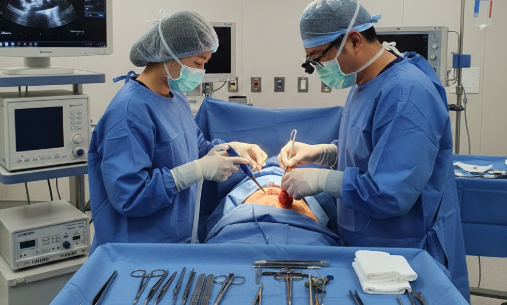
Treatment Overview
Rapid testicular torsion intervention is an urgent urological procedure aimed at restoring blood flow to the twisted testicle to prevent irreversible damage. Testicular torsion occurs when the spermatic cord twists, cutting off circulation, causing severe pain, swelling, and risk of testicular loss.
In Korea, hospitals provide immediate diagnostic evaluation using Doppler ultrasound, high-resolution imaging, and rapid surgical intervention. Surgeons perform scrotal incision detorsion followed by orchiopexy to secure both testicles, preventing recurrence. Korean urologists are highly experienced in emergency procedures, making Korea a top destination for international patients requiring fast, precise intervention.
Purpose & Benefits
The purpose of rapid intervention is to save the affected testicle, relieve pain, and prevent complications.
Key benefits include:
- Immediate pain relief and restoration of blood flow
- High testicular salvage rates with early intervention
- Prevention of long-term complications such as atrophy, infertility, or hormonal dysfunction
- Orchiopexy to secure both testicles and prevent recurrence
- Minimally invasive surgical approach for faster recovery
Early intervention dramatically improves outcomes, preserving both fertility and testicular function.
Ideal Candidates
Rapid testicular torsion intervention is suitable for patients who:
- Experience sudden, severe testicular or scrotal pain
- Have swelling, redness, or tenderness of the scrotum
- Present with nausea or vomiting associated with pain
- Are suspected or confirmed to have testicular torsion by Doppler ultrasound
- Have a history of intermittent torsion episodes
- Require urgent surgical intervention to prevent permanent damage
Adolescents and adults alike benefit from Korea’s fast-track emergency urological care.
Possible Risks & Complications
Although highly effective, potential risks include:
- Infection or hematoma at the incision site
- Postoperative swelling or discomfort
- Testicular atrophy if ischemia persists too long before intervention
- Recurrence of torsion if orchiopexy is incomplete
- Anesthesia-related complications
- Minor scarring at the surgical site
Korean hospitals minimize these risks using sterile techniques, advanced microsurgery, and intraoperative blood flow monitoring.
Techniques & Technology Used
Korean hospitals use advanced technology for rapid and precise intervention:
- Doppler Ultrasound: Confirms torsion and assesses testicular perfusion
- High-Resolution Imaging: Detects twisting and vascular compromise
- Scrotal Incision Detorsion: Direct access for untwisting the spermatic cord
- Orchiopexy: Fixes both testicles to prevent future torsion
- Microsurgical Instruments: Facilitate precise detorsion and vessel handling
- Intraoperative Perfusion Monitoring: Ensures successful restoration of blood flow
These technologies maximize testicular salvage and minimize tissue trauma.
Treatment Process in Korea
The treatment pathway for international patients is structured for efficiency:
1. Emergency Assessment
A urologist performs a physical examination and Doppler ultrasound to confirm torsion and evaluate blood flow.
2. Surgical Planning
Once torsion is confirmed, emergency surgery is scheduled immediately. Patient coordinators assist with language support and hospital admission.
3. Rapid Detorsion Surgery
A small scrotal incision is made to untwist the spermatic cord. Testicular viability is assessed in real-time, and perfusion is restored.
4. Orchiopexy
Both the affected and unaffected testicles are secured to prevent recurrence.
5. Postoperative Monitoring
Patients are monitored for proper blood flow, wound healing, and overall recovery. Doppler ultrasound confirms restored circulation.
Most surgeries are completed within 60 minutes, with a hospital stay of 1–2 days depending on recovery.
Recovery & After-Care
Recovery focuses on comfort and optimal healing:
- Pain management using prescribed analgesics
- Avoiding strenuous activity or sexual activity for 2–4 weeks
- Maintaining scrotal hygiene and proper wound care
- Monitoring for swelling, redness, or infection
- Follow-up Doppler scans to confirm stable blood flow
- Gradual return to normal activities based on surgeon guidance
Korean hospitals provide detailed recovery instructions and telemedicine follow-up options for international patients.
Results & Longevity
With rapid intervention, outcomes are excellent:
- Immediate relief from acute scrotal pain
- High testicular salvage rate and preservation of fertility
- Prevention of long-term complications such as atrophy or hormonal imbalance
- Minimal scarring and high cosmetic satisfaction
- Low risk of recurrence with proper orchiopexy
Korea’s advanced emergency protocols and experienced urologists ensure optimal long-term results.
Why Korea Is a Top Destination
Korea is a trusted destination for rapid testicular torsion intervention due to:
- Advanced Doppler and imaging technology for immediate diagnosis
- Experienced surgeons specializing in pediatric and adult emergency urology
- 24/7 emergency and elective urology services
- Fast hospital admission and surgical response
- Multilingual support and international patient coordinators
- Cost-effective care compared to Western countries
- High standards of hygiene and patient safety
These factors make Korea an ideal destination for urgent urological care.
Cost Range
Estimated costs in Korea for rapid testicular torsion intervention:
- Doppler ultrasound and imaging: USD 100–250
- Emergency detorsion and orchiopexy: USD 2,500–5,500
- Hospital stay (1–2 nights): USD 200–500
- Total estimated package: USD 3,000–6,000
Costs may vary depending on hospital, procedure complexity, and additional care. Insurance coverage may apply for international patients.
Popular Clinics in Korea
Leading hospitals providing rapid testicular torsion intervention include:
- Seoul National University Hospital – Urology Department
- Asan Medical Center – Emergency Urology Unit
- Samsung Medical Center – Men’s Health & Urology
- Severance Hospital – Urology and Emergency Services
- Korea University Hospital – Emergency & Elective Urology
- Wooridul Urology Clinic, Seoul
These institutions are known for fast emergency response, advanced imaging, and high surgical success rates.


