
Treatment Overview
Ureteral stricture surgery in Korea is a highly advanced urological procedure performed to correct the narrowing of the ureter, the tube that carries urine from the kidney to the bladder. When the ureter becomes narrow due to injury, infection, stone removal procedures, or congenital factors, urine flow becomes obstructed, potentially leading to hydronephrosis, recurrent infections, flank pain, or even kidney damage. Korean hospitals offer state-of-the-art diagnostic tools such as CT urography, retrograde pyelography, and renal scans to determine the precise location and severity of the stricture.
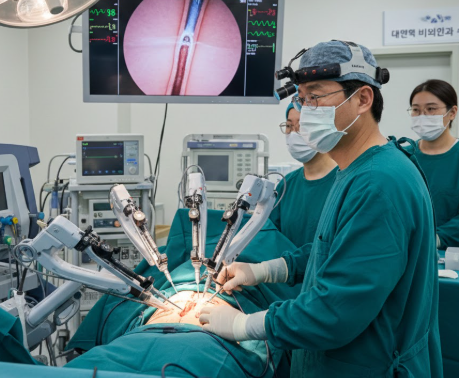
The goal of the surgery is to restore normal urine drainage, preserve renal function, and eliminate symptoms. Korea is widely recognized for minimally invasive surgical capabilities, using robotic-assisted platforms, laser technology, and precision microsurgical techniques to ensure safe, effective, and cosmetically appealing outcomes for international patients.
Purpose & Benefits
The primary purpose of ureteral stricture surgery is to remove or bypass the narrowed segment and re-establish a smooth, functional passage between the kidney and bladder. Benefits include complete symptom relief, prevention of long-term kidney damage, reduced risk of recurrent urinary tract infections, and improved urinary flow.
Korea’s approach emphasizes minimal invasiveness, leading to shorter hospital stays, faster recovery, and minimal postoperative discomfort. Many centers also focus on kidney-preserving alternatives and tailored surgical planning based on stricture length, cause, and anatomical location. Additional benefits include access to globally accredited surgeons, strict infection control standards, and transparent pricing.
Ideal Candidates
Ideal candidates for ureteral stricture surgery in Korea typically include individuals experiencing:
- Persistent or severe flank pain
- Recurring urinary tract infections
- Hydronephrosis identified through imaging
- A history of stone disease or prior ureteral procedures leading to scarring
- Narrowing caused by trauma, pelvic surgery, congenital factors, or radiation treatments
Patients whose strictures do not improve with stenting or balloon dilation are also strong candidates for surgical correction. Medical tourists, especially those seeking high-precision, minimally invasive care with reliable outcomes, are well-suited to undergo treatment in Korea.
Possible Risks & Complications
Although ureteral stricture surgery in Korea is considered safe, some potential risks may include:
- Bleeding during or after surgery
- Infection at the surgical site
- Urine leakage from the anastomosis site
- Recurrence of stricture
- Ureteral injury
- Temporary or prolonged stent discomfort
- Rare obstruction requiring secondary intervention
Top Korean urologists use advanced imaging, robotic systems, and meticulous surgical technique to significantly minimize these risks. Preoperative evaluation and postoperative monitoring further ensure safe recovery.
Techniques & Technology Used
Korea is known for leveraging cutting-edge urological technology to treat ureteral strictures with precision and minimal trauma. The most commonly used techniques include:
- Robotic-Assisted Ureteral Reconstruction (Da Vinci System): Allows magnified 3D visualization, reduced blood loss, and highly accurate suturing.
- Ureteroureterostomy: Removal of the diseased segment and reconnection of healthy ends.
- Ureteroneocystostomy: Reimplantation of the ureter into the bladder, often used for lower ureteral strictures.
- Buccal Mucosal Graft Ureteroplasty: Uses tissue from the inner cheek to widen longer strictures.
- Laser Endoureterotomy: Minimally invasive incision of the stricture with Holmium or Thulium laser.
- Balloon Dilation: Used for select short or mild strictures.
Korean hospitals integrate digital ureteroscopes, real-time fluoroscopy imaging, high-resolution robotic consoles, and enhanced recovery after surgery (ERAS) protocols to maximize surgical success.
Treatment Process in Korea
The treatment process for international patients is well-structured, ensuring a smooth and convenient clinical journey:
- Pre-Arrival Consultation: Patients can send medical reports and imaging studies for evaluation and receive a recommended treatment plan.
- Initial Visit & Diagnostic Imaging: Upon arrival, further tests such as CT urography, ultrasound, urinalysis, and cystoscopy may be performed.
- Surgical Planning: The surgeon determines the best surgical approach—robotic reconstruction, laser incision, or reimplantation—based on stricture characteristics.
- Surgery: The procedure typically lasts 1 to 3 hours depending on complexity. Stent placement is usually required to ensure healing.
- Hospital Stay: Most patients stay 2 to 4 days for monitoring and pain control.
- Postoperative Follow-Up: Stent removal occurs after 4 to 6 weeks. Follow-up imaging confirms successful urine flow restoration.
- Travel Clearance: International patients are often cleared to fly within 5 to 10 days, depending on recovery speed.
Recovery & After-Care
Recovery from ureteral stricture surgery in Korea is generally smooth due to minimally invasive techniques and robust after-care systems. Patients can expect:
- Mild to moderate discomfort around the incision area
- Temporary urinary frequency or stent-related symptoms
- Ability to resume light activities within 1 to 2 weeks
- Full recovery within 4 to 6 weeks
Post-operative care includes hydration, avoiding strenuous physical activities, and attending scheduled follow-up visits. Korean hospitals offer multilingual care coordinators who assist with wound management instructions, medication regimens, and postoperative imaging. Many facilities also provide telemedicine follow-up for medical tourists.
Results & Longevity
Ureteral stricture surgery in Korea delivers high success rates, often above 90% depending on the technique used and the nature of the stricture. Restored urine flow, reduced pain, and prevention of kidney damage are notable long-term benefits. Robotic reconstruction and graft ureteroplasty particularly provide durable outcomes, with low recurrence rates and excellent patient satisfaction.
Most patients experience life-long relief after a single surgery, provided they follow recommended follow-up care and lifestyle guidance.
Why Korea Is a Top Destination
Korea has become a premier global destination for urological treatments due to its advanced surgical technology, internationally trained urologists, and exceptional patient care systems. Medical facilities are equipped with robotic surgical suites, digital imaging systems, and fast-track recovery programs. Additionally, Korea’s efficient healthcare structure ensures shorter waiting times, transparent pricing, and multilingual support for international patients.
Medical tourists choose Korea for its combination of clinical excellence, trustworthiness, affordability compared to Western countries, and seamless treatment coordination. The country also offers the convenience of safe travel, modern accommodation options, and easy connectivity for visitors.
Cost Range
Ureteral stricture surgery in Korea typically costs:
- Laser Endoureterotomy: USD 4,000–7,000
- Robotic Reconstruction (Ureteroureterostomy/Ureteroneocystostomy): USD 9,000–18,000
- Buccal Mucosal Graft Reconstruction: USD 12,000–20,000
Costs vary based on hospital level, surgeon expertise, anesthesia, hospital stay, and diagnostic imaging. Korea remains cost-competitive compared to the United States, Europe, and the Middle East.
Popular Clinics in Korea
Some well-established centers specializing in ureteral stricture surgery include:
- Seoul National University Hospital (SNUH)
- Asan Medical Center
- Samsung Medical Center
- Severance Hospital (Yonsei University Health System)
- Chung-Ang University Hospital
- Wooridul Urology Hospital
- Ewha Womans University Medical Center
These hospitals are known for high-precision robotic surgery programs, dedicated urology departments, and extensive infrastructure for international patients.


