
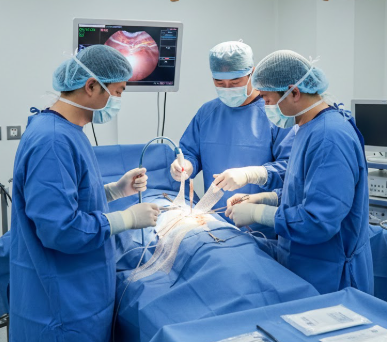
Treatment Overview
Postpartum cystocele repair is a surgical procedure aimed at correcting bladder prolapse that occurs after childbirth. Vaginal delivery can weaken the pelvic floor muscles and connective tissues, leading to the descent of the bladder into the vaginal canal. This condition may cause vaginal bulging, pelvic pressure, urinary incontinence, and discomfort during daily activities.
Korea offers advanced surgical solutions for postpartum cystocele repair, including native tissue repair, mesh-assisted repair, laparoscopic, and robotic-assisted techniques. Hospitals in Korea are known for their minimally invasive approaches, high surgical precision, and comprehensive care, making the country a preferred destination for women seeking effective postpartum bladder prolapse correction.
Purpose & Benefits
The main goal of postpartum cystocele repair is to restore bladder support, improve urinary function, and strengthen the pelvic floor.
Key benefits include:
• Relief from vaginal bulging and pelvic pressure
• Improved urinary control and reduction of incontinence
• Minimally invasive procedures with faster recovery and smaller incisions
• Enhanced sexual comfort and physical well-being
• Long-term correction to prevent recurrence of prolapse
Korean surgeons provide individualized surgical plans to ensure optimal anatomical restoration and functional outcomes.
Ideal Candidates
Postpartum cystocele repair is suitable for women experiencing symptomatic bladder prolapse following childbirth. Ideal candidates include:
• Women with vaginal bulging, pelvic heaviness, or pressure
• Patients with urinary incontinence, urinary retention, or recurrent urinary tract infections
• Individuals whose symptoms persist despite conservative management such as pelvic floor exercises or pessary use
• Women seeking minimally invasive or robotic-assisted repair for faster recovery
Korean urogynecology centers perform detailed evaluations including pelvic exams, imaging, and urodynamic studies to determine the severity of prolapse and appropriate surgical approach.
Possible Risks & Complications
While postpartum cystocele repair is generally safe, potential risks include:
• Bleeding or infection
• Urinary retention or bladder injury
• Scar tissue formation or painful intercourse
• Recurrence of prolapse
Korean hospitals minimize risks through careful preoperative planning, advanced surgical techniques, and structured postoperative care. Any complications are promptly addressed to ensure patient safety and optimal recovery.
Techniques & Technology Used
Korea is known for utilizing advanced technology and techniques in postpartum cystocele repair:
• Native tissue anterior colporrhaphy for mesh-free repair
• Mesh-assisted repair to reinforce weakened pelvic tissues
• Laparoscopic repair for minimally invasive anatomical restoration
• Robotic-assisted repair for high-precision surgical outcomes
• Site-specific defect repair targeting weakened connective tissue
High-definition imaging, robotic assistance, and micro-instruments enhance precision, reduce tissue trauma, and improve long-term repair results.
Treatment Process in Korea
Women undergoing postpartum cystocele repair in Korea follow a structured treatment pathway:
- Initial Consultation: Pelvic examination, imaging studies, and urodynamic assessment
- Personalized Surgical Planning: Individualized approach based on prolapse severity and patient anatomy
- Preoperative Preparation: Laboratory tests, anesthesia evaluation, and pre-surgery guidance
- Surgery: Performed under general or regional anesthesia, usually lasting 1–2 hours
- Hospitalization: Typically 1–2 days for monitoring, catheter care, and early mobilization
- Follow-Up Care: Regular visits to assess healing, urinary function, and pelvic floor rehabilitation
Medical tourism services include translation, transportation, and accommodation assistance for international patients.
Recovery & After-Care
Recovery after postpartum cystocele repair generally takes 4–6 weeks. Recommended aftercare includes:
• Avoiding heavy lifting, straining, and sexual activity for 6–8 weeks
• Maintaining proper pelvic hygiene and following prescribed medications
• Gradually resuming daily activities and light exercise
• Attending follow-up appointments and participating in pelvic floor rehabilitation
Korean hospitals provide individualized recovery programs to optimize healing, strengthen pelvic floor support, and minimize recurrence risk.
Results & Longevity
Postpartum cystocele repair in Korea provides effective and long-lasting results. Patients typically experience:
• Relief from vaginal bulging and pelvic pressure
• Improved bladder function and urinary control
• Minimal postoperative discomfort and faster recovery
• Enhanced quality of life and comfort in daily activities
With advanced surgical techniques, high-precision execution, and structured postoperative care, recurrence rates are low and patient satisfaction is high.
Why Korea Is a Top Destination
Korea is a leading destination for postpartum cystocele repair due to:
• Highly experienced urogynecologists specializing in pelvic floor and minimally invasive surgery
• State-of-the-art hospitals equipped with advanced surgical technology
• Internationally accredited facilities with high safety and quality standards
• Transparent and competitive pricing for international patients
• Comprehensive medical tourism services including coordination, translation, and accommodation
These factors make Korea an ideal choice for safe, effective, and precise postpartum bladder prolapse repair.
Cost Range
The cost of postpartum cystocele repair in Korea generally ranges from USD 4,000 to USD 12,000, depending on:
• Surgical technique (native tissue, mesh-assisted, laparoscopic, or robotic-assisted)
• Hospital and surgeon expertise
• Preoperative diagnostics and imaging
• Length of hospital stay
Costs typically include consultation, surgery, anesthesia, hospitalization, medications, and follow-up care.
Popular Clinics in Korea
• Seoul National University Hospital – Urogynecology Center
• Asan Medical Center – Pelvic Floor Reconstruction Department
• Samsung Medical Center – Urogynecology Unit
• Yonsei Severance Hospital – Pelvic Organ Prolapse Clinic
• Ewha Womans University Medical Center – Women’s Pelvic Health Center
• CHA Gangnam Medical Center – Minimally Invasive Gynecologic Surgery Center


