
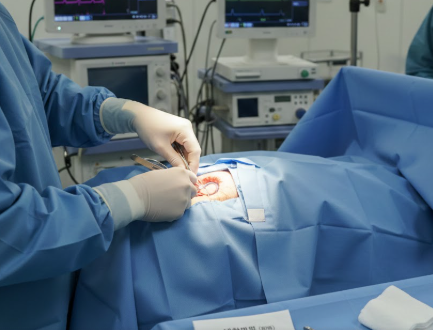
Treatment Overview
Anterior vaginal wall repair is a surgical procedure designed to correct the weakening or stretching of the vaginal wall that supports the bladder. This condition, medically known as anterior compartment prolapse or cystocele, can result in discomfort, urinary issues, and pelvic pressure.
In Korea, anterior vaginal wall repair is performed using advanced minimally invasive and reconstructive pelvic techniques, focusing on restoring anatomical support, relieving symptoms, and preventing recurrence. Korean hospitals combine scientific precision, modern technology, and tailored patient care, making the country a leading destination for prolapse correction procedures.
Purpose & Benefits
The primary purpose of anterior vaginal wall repair is to reinforce the supportive tissues between the bladder and vagina.
Key benefits include:
• Relief from pelvic pressure and vaginal bulging
• Improved urinary function and reduced stress incontinence
• Lower risk of recurrent urinary tract infections
• Restoration of normal pelvic support and comfort
• Enhanced quality of life and confidence
Korean specialists emphasize long-term durability and functional improvement, ensuring both comfort and anatomical integrity.
Ideal Candidates
This procedure is suited for women experiencing symptomatic bladder prolapse. Ideal candidates include:
• Women with noticeable vaginal bulging or pelvic heaviness
• Patients with urinary leakage, difficulty emptying, or frequent UTIs
• Individuals not responding to conservative treatments such as pessaries or pelvic therapy
• Women who have completed childbearing
• Postmenopausal women with weakened pelvic support tissues
Korean urogynecology clinics perform precise diagnostic assessments to confirm severity and suitability.
Possible Risks & Complications
Although considered safe, anterior vaginal wall repair carries some potential risks:
• Bleeding or infection
• Urinary retention or difficulty urinating
• Injury to the bladder or urethra
• Pain or discomfort during intercourse
• Scar tissue formation
• Prolapse recurrence
Korean hospitals significantly minimize these risks through refined surgical techniques, preoperative planning, and comprehensive aftercare programs.
Techniques & Technology Used
Korea is renowned for its advanced pelvic floor reconstructive technologies and techniques, including:
• Native tissue repair using absorbable sutures
• Laparoscopic repair for minimal scarring and quicker recovery
• Robotic-assisted repair using the Da Vinci system for enhanced precision
• Site-specific defect repair targeting weakened areas
• Mesh-free techniques that avoid synthetic implants
High-definition imaging, micro-suturing tools, and robotic platforms help Korean surgeons achieve superior outcomes with minimal complications.
Treatment Process in Korea
International patients undergoing anterior vaginal wall repair in Korea follow a structured medical travel pathway:
- Assessment & Diagnosis: Pelvic exam, imaging, and urodynamic testing.
- Customized Surgical Plan: Based on prolapse grade and patient needs.
- Preoperative Planning: Medical evaluation, anesthesia briefing, and lifestyle guidelines.
- Surgery: Typically 1–2 hours under general or regional anesthesia.
- Hospital Stay: Usually 1–2 days for monitoring and comfort management.
- Postoperative Follow-Up: Scheduled visits and pelvic rehabilitation.
Hospitals provide English-speaking coordinators, airport pickup, and concierge support to ensure a smooth medical tourism experience.
Recovery & After-Care
Recovery time is typically 4–6 weeks. Patients receive tailored after-care plans that may include:
• Avoiding heavy lifting, strenuous activity, and intercourse for 6–8 weeks
• Taking prescribed medications for pain and swelling
• Maintaining proper hygiene to prevent infection
• Beginning gentle walking to promote circulation
• Attending follow-up appointments
• Participating in pelvic floor physiotherapy programs
Korean clinics emphasize recovery management to ensure optimal long-term results.
Results & Longevity
Patients generally experience durable, long-lasting improvement following anterior vaginal wall repair in Korea. Expected outcomes include:
• Elimination of vaginal bulging
• Improved bladder function and reduced urinary issues
• Reduced pelvic discomfort
• Enhanced sexual and daily comfort
With advanced surgical methods and strong postoperative support, Korean clinics achieve low recurrence rates and high patient satisfaction.
Why Korea Is a Top Destination
Korea is globally recognized for excellence in urogynecology and pelvic reconstructive surgery due to:
• Highly skilled surgeons with specialized pelvic floor expertise
• Advanced minimally invasive and robotic technology
• Internationally accredited hospitals
• Competitive and transparent pricing
• Comprehensive support services for medical travelers
This combination of medical quality and patient-centered care positions Korea as a premier destination for prolapse repair.
Cost Range
The cost of anterior vaginal wall repair in Korea typically ranges from USD 4,000 to USD 10,000, depending on:
• Surgical technique (traditional, laparoscopic, or robotic)
• Hospital type and surgeon experience
• Required diagnostic tests
• Length of hospital stay
Most packages include consultation, imaging, surgery, anesthesia, medications, and follow-up care.
Popular Clinics in Korea
• Seoul National University Hospital – Urogynecology Center
• Severance Hospital (Yonsei) – Pelvic Organ Prolapse Clinic
• Samsung Medical Center – Urogynecology Division
• Asan Medical Center – Pelvic Floor Surgery Unit
• Ewha Womans University Medical Center – Women’s Pelvic Health Center
• CHA Gangnam Medical Center – Minimally Invasive Gynecologic Surgery


