
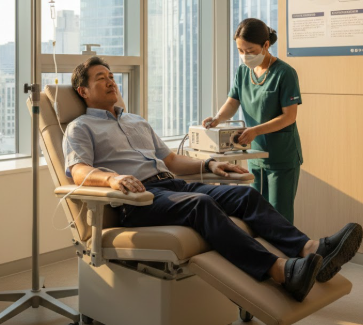
Treatment Overview
Bacillus Calmette-Guérin (BCG) therapy is a cornerstone immunotherapy for non-muscle invasive bladder cancer (NMIBC). It involves instilling a weakened strain of Mycobacterium bovis directly into the bladder to stimulate the immune system to attack cancer cells. Korea is recognized worldwide for its expertise in BCG therapy, offering advanced delivery methods, precise dosing protocols, and rigorous patient monitoring to maximize effectiveness while minimizing side effects. Korean urology centers combine BCG therapy with cystoscopic surveillance and, when needed, TURBT (transurethral resection of bladder tumor) to provide a comprehensive treatment plan for NMIBC.
Purpose & Benefits
The primary purpose of BCG therapy is to prevent recurrence and progression of superficial bladder tumors after surgical removal. Key benefits include:
- Strong local immune response targeting residual cancer cells
- Significant reduction in tumor recurrence rates
- Avoidance of radical cystectomy in suitable patients
- Preservation of bladder function and quality of life
- Outpatient-based procedure with minimal systemic exposure
- Safe combination with TURBT and other localized therapies
Korean hospitals optimize the timing and dosing of BCG instillations to ensure maximum efficacy and patient safety.
Ideal Candidates
Ideal candidates for BCG therapy include:
- Patients with high-grade non-muscle invasive bladder cancer (Ta, T1)
- Individuals with carcinoma in situ (CIS)
- Patients who have undergone TURBT but are at high risk of recurrence
- Individuals seeking bladder preservation over radical surgery
Patients with weakened immune systems, active infections, or systemic health issues may require careful evaluation before BCG therapy. Korea’s urology teams conduct thorough pre-treatment assessments to ensure suitability.
Possible Risks & Complications
BCG therapy is generally safe but can cause local and systemic side effects:
- Bladder irritation, urgency, and frequency
- Painful urination (dysuria)
- Hematuria (blood in urine)
- Fever or flu-like symptoms
- Rare systemic infection if BCG bacteria spread
- Bladder contracture with long-term therapy (rare)
Korean hospitals provide protocols to manage side effects, including dose adjustments, symptomatic treatment, and close monitoring of patients.
Techniques & Technology Used
Korean centers utilize advanced methods to enhance the safety and efficacy of BCG therapy:
- Cystoscopic-guided catheterization for precise intravesical delivery
- Standardized dosing and dwell times tailored to patient age and bladder capacity
- Combination therapy with TURBT for optimal tumor control
- Use of imaging and urine cytology for monitoring response
- Careful scheduling and follow-up to ensure adherence to induction and maintenance therapy
These methods ensure effective immune activation while reducing complications and maximizing patient comfort.
Treatment Process in Korea
The treatment process is streamlined for both local and international patients:
- Pre-treatment evaluation including cystoscopy, urine cytology, and imaging
- TURBT (if necessary) to remove visible tumors
- BCG induction therapy, usually weekly for 6 weeks
- Maintenance therapy, which may include monthly or quarterly instillations over 1–3 years
- Regular follow-up cystoscopies to monitor for recurrence
- Patient education on bladder care, hygiene, and symptom monitoring
Korean hospitals provide multilingual support, ensuring that international patients understand the procedure, schedule, and aftercare.
Recovery & After-Care
BCG therapy is minimally invasive, allowing rapid recovery. Aftercare includes:
- Maintaining the instillation in the bladder for the recommended dwell time (usually 2 hours)
- Avoiding urination, vigorous activity, or sexual activity during dwell time
- Staying hydrated to reduce local irritation
- Reporting symptoms such as high fever or severe urinary pain immediately
- Regular cystoscopic follow-up for early detection of recurrence
Telemedicine follow-ups are often available for international patients after returning home.
Results & Longevity
BCG therapy in Korea demonstrates high success rates for preventing bladder cancer recurrence and progression. Most patients maintain bladder function and avoid radical surgery. Regular follow-up and maintenance therapy contribute to long-term bladder preservation and improved survival rates, with minimal systemic side effects.
Why Korea Is a Top Destination
Korea is highly preferred for BCG therapy due to:
- Experienced urologists specialized in bladder cancer immunotherapy
- Access to standardized and advanced BCG treatment protocols
- Multidisciplinary care combining TURBT, imaging, and immunotherapy
- International patient coordination for seamless scheduling and treatment
- Affordable and transparent pricing compared with Western countries
Patients benefit from high-quality care, advanced technology, and structured follow-up plans.
Cost Range
The cost of BCG therapy in Korea generally ranges from USD 1,500 to USD 4,000 for an induction cycle. Additional costs depend on maintenance therapy, combination TURBT procedures, hospital type, and follow-up services.
Popular Clinics in Korea
- Asan Medical Center – Urology & Bladder Cancer Clinic
- Seoul National University Hospital – NMIBC Program
- Samsung Medical Center – Robotic and Intravesical Therapy Unit
- Severance Hospital (Yonsei University) – Bladder Cancer Treatment Center
- Korea University Anam Hospital – Outpatient Uro-Oncology Clinic
- Seoul St. Mary’s Hospital – BCG Therapy and Monitoring Clinic


