
Treatment Overview
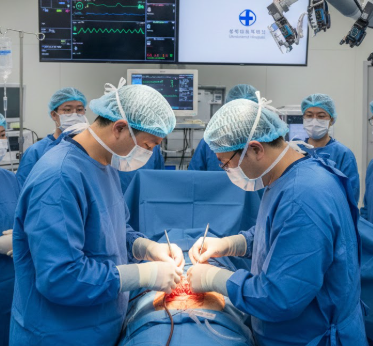
Neobladder Reconstruction Surgery in Korea is an advanced reconstructive procedure performed after bladder removal (cystectomy), designed to restore natural urination and preserve quality of life. In this surgery, Korean urologic surgeons create a new bladder—called a neobladder—using a section of the patient’s intestine. This allows urine to flow through the urethra, enabling patients to urinate normally rather than relying on an external bag.
Korea is globally recognized for excellence in neobladder reconstruction due to its high surgical success rates, precision robotic technology, and multidisciplinary cancer care. Leading hospitals utilize 3D robotic systems, advanced imaging tools, and enhanced recovery protocols to minimize complications and accelerate healing. For medical tourists, Korea offers streamlined diagnostic pathways, transparent pricing, expert English-speaking coordinators, and world-class postoperative rehabilitation programs.
Purpose & Benefits
Purpose of Neobladder Reconstruction
The primary purpose of neobladder reconstruction is to:
- Restore natural urinary function after bladder removal
- Allow urination through the urethra rather than using a stoma
- Improve long-term comfort, mobility, and confidence
- Maintain normal body image and lifestyle
It is considered the most advanced and preferred urinary diversion option for eligible patients.
Benefits
- Ability to urinate normally without an external bag
- High quality of life and physical independence
- Better body image and psychological comfort
- Long-term continence in most patients
- Reduced need for lifelong stoma care
- Suitable for active lifestyles and routine daily activities
- Korea’s robotic surgical systems enhance safety and precision
- Faster recovery compared to traditional open reconstruction
Ideal Candidates
Suitable Candidates
Patients may be eligible for neobladder reconstruction if they:
- Undergo radical cystectomy for bladder cancer
- Are physically healthy enough for major surgery
- Do not have cancer involving the urethra
- Have good kidney and liver function
- Have strong motivation to learn neobladder training
- Are relatively young or middle-aged (though age alone is not a strict limit)
Not Suitable for Neobladder
Neobladder reconstruction may not be ideal for patients with:
- Significant renal impairment
- Urethral cancer or positive urethral margins
- Severe bowel diseases
- Advanced age combined with limited mobility
- Poor understanding or inability to maintain neobladder care
Korean hospitals conduct detailed evaluations to determine suitability, ensuring safe and predictable outcomes.
Possible Risks & Complications
Even though Korea maintains exceptionally low complication rates, neobladder surgery is complex and involves certain risks.
Short-Term Risks
- Infection
- Bleeding
- Bowel obstruction or ileus
- Urinary leakage
- Blood clots
- Anastomosis (connection) issues
Long-Term Risks
- Nighttime incontinence (common in early months)
- Difficulty emptying the neobladder
- Urinary retention requiring intermittent catheterization
- Metabolic changes due to intestinal tissue
- Vitamin B12 deficiency
- Stones in the neobladder
- Rare risk of cancer recurrence near the urethra
Korean hospitals provide intensive postoperative training and long-term follow-up programs to reduce these risks.
Techniques & Technology Used
Korea uses some of the most advanced surgical technologies in Asia, offering superior precision, reduced pain, and shorter recovery.
Robotic Neobladder Reconstruction
- Performed using the Da Vinci Xi robotic system
- Offers high-definition 3D magnification, tremor-free movements
- Allows delicate suturing and precise bladder shaping
- Reduces blood loss and postoperative complications
- Shorter hospital stays and quicker mobility
Laparoscopic Neobladder Reconstruction
- Minimally invasive with small incisions
- Ideal for select patients without extensive disease
Open Neobladder Reconstruction
- Used for highly complex cases
- Allows excellent control for advanced tumors or anatomical challenges
Advanced Supportive Technologies
- Blue-light cystoscopy for preoperative tumor mapping
- 3D CT/MRI reconstruction for surgical planning
- Intraoperative frozen section to ensure clear margins
- Nerve-sparing techniques for improved continence and sexual function
- Enhanced Recovery After Surgery (ERAS) protocols
- Robotic stapling and suturing devices for precision
Korea’s combination of high surgical expertise and cutting-edge technology enables exceptional reconstructive outcomes.
Treatment Process in Korea
Korea offers a highly coordinated treatment journey tailored to international patients.
Step 1: Pre-Arrival Consultation
- Submission of medical records, pathology, and imaging
- Virtual consultation with a Korean urologic oncologist
- Discussion of neobladder suitability and treatment plan
- Cost estimation and scheduling support
Step 2: Comprehensive Preoperative Evaluation
Once in Korea, patients undergo:
- CT or MRI for staging
- Cystoscopy (if bladder still present)
- Kidney and liver function tests
- Cardiac and anesthetic assessments
- Counseling on neobladder training and lifestyle adaptation
Step 3: Radical Cystectomy & Neobladder Surgery
Surgery includes:
- Removal of the bladder
- Lymph node dissection
- Construction of the neobladder from a section of the intestine
- Attachment of the neobladder to the urethra
- Robotic or minimally invasive techniques when possible
Typical surgery duration is 4–6 hours.
Step 4: Early Postoperative Care
- ICU/HDU monitoring for 24 hours
- Pain control and infection prevention
- Early mobilization
- Gradual diet advancement
- Catheter management
Step 5: Neobladder Training
Training begins in the hospital and continues at home:
- Scheduled voiding every 2–3 hours
- Pelvic floor strengthening
- Learning to use abdominal pressure to empty the neobladder
- Monitoring for leakage or retention
Step 6: Discharge & Long-Term Care
- Hospital stay is typically 7–10 days
- Follow-up appointment within 1–2 weeks
- Continence improvement over 3–6 months
- Long-term monitoring with imaging, urine tests, and metabolic checks
Recovery & After-Care
Recovery Timeline
- Walking begins within 24 hours
- Catheters typically removed after 2–3 weeks
- Return to normal routines in 6–8 weeks
- Full continence may take 3–12 months
- Nighttime leakage improves gradually
After-Care Requirements
- Adequate hydration
- Pelvic floor exercises
- Regular voiding schedules
- Periodic blood tests for metabolic balance
- Monitoring kidney function
- Vitamin B12 supplementation if needed
Rehabilitation Programs in Korea
- Neobladder continence training
- Pelvic floor physiotherapy
- Sexual function recovery clinics
- Psychological counseling
- Long-term cancer surveillance
Korea provides comprehensive support to ensure optimal adaptation to the new bladder.
Results & Longevity
Functional Outcomes
- Most patients regain good daytime continence
- Many achieve nighttime continence over time
- Patients can resume normal work, travel, and physical activities
- High satisfaction levels due to natural urination capability
Survival & Cancer Control
- Excellent long-term cancer control when combined with lymph node dissection
- Very low recurrence rates due to Korea’s precision surgical standards
- Continuous monitoring ensures early detection of any complications
Quality of Life
Neobladder surgery in Korea offers one of the highest quality-of-life outcomes among all urinary diversion options.
Why Korea Is a Top Destination
Advantages for Medical Tourists
- Globally recognized experts in robotic and reconstructive surgery
- Large-volume cancer centers with proven outcomes
- Cutting-edge technology and surgical precision
- Exceptional hospital facilities and supportive services
- Transparent pricing with high cost-effectiveness
- English-speaking coordinators, translators, and international care teams
- Fast scheduling and short waiting times
Patients benefit from world-class care with the convenience and efficiency that Korean hospitals are known for.
Cost Range
Estimated Cost in Korea
- Robotic neobladder reconstruction: USD 25,000 – 40,000
- Open neobladder reconstruction: USD 20,000 – 35,000
- Preoperative diagnostic tests: USD 1,000 – 2,500
- Postoperative rehabilitation: USD 300 – 900
- Additional chemotherapy (if required): USD 1,500 – 4,000
Korean hospitals offer packages significantly more affordable than the US, Japan, or Europe, but with superior technologies and outcomes.
Popular Clinics in Korea
- Asan Medical Center
- Severance Hospital (Yonsei University)
- Seoul National University Hospital (SNUH)
- Samsung Medical Center
- Seoul St. Mary’s Hospital (Catholic University)
- Korea University Anam Hospital
- CHA Bundang Medical Center


