
Treatment Overview
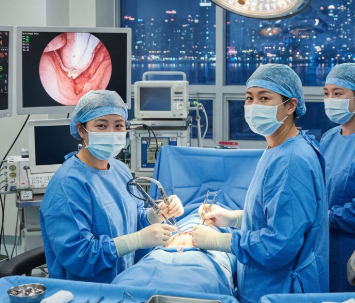
Pediatric Bladder Cancer Surgery in Korea focuses on safe, precise, and minimally invasive surgical care tailored specifically for children diagnosed with bladder tumors. Although bladder cancer in children is rare, Korean hospitals have specialized pediatric urology and pediatric oncology units equipped with advanced diagnostic tools, child-friendly surgical technologies, and expert teams experienced in managing young patients. Treatment options include transurethral resection of bladder tumors (TURBT), laser-assisted tumor removal, partial cystectomy, and, in extremely rare cases, reconstructive bladder surgery. Korean medical centers emphasize accuracy, organ preservation, minimal trauma, and long-term monitoring to ensure the child’s healthy development and future quality of life.
Purpose & Benefits
The primary goals of pediatric bladder cancer surgery in Korea are complete tumor removal, minimizing surgical trauma, and preserving bladder function. Major benefits include:
– High tumor removal accuracy with minimal damage to bladder structures
– Use of child-appropriate minimally invasive techniques
– Reduced postoperative pain and faster recovery
– Lower risk of recurrence with proper early intervention
– Preservation of normal urinary function and bladder capacity
– Specialized pediatric anesthesiology ensuring safe surgical experience
– Supportive family-centered care environment
Korean pediatric specialists aim to provide effective cancer control with the least physical and emotional burden.
Ideal Candidates
Children who may require bladder cancer surgery typically present with:
– Non-muscle-invasive bladder tumors detected during imaging or cystoscopy
– Recurrent or symptomatic tumors (hematuria, frequent urination)
– Tumors unresponsive to observation or conservative therapy
– Rare muscle-invasive or aggressive pediatric bladder cancer cases
Eligibility for surgery is determined after a complete pediatric oncology evaluation, including imaging, pathology, and risk assessment.
Possible Risks & Complications
Even though pediatric bladder cancer surgeries in Korea emphasize safety, potential risks may include:
– Mild postoperative bleeding
– Temporary urinary irritation or frequency
– Urinary tract infection
– Incomplete tumor removal requiring repeat procedure
– Bladder perforation (rare)
– Anesthesia-related complications
– Recurrence in high-risk tumor types
Korean hospitals significantly minimize risks through experienced pediatric surgeons, precision technology, and comprehensive postoperative care.
Techniques & Technology Used
Korea employs advanced pediatric-specific technologies and techniques for maximum safety and precision:
– Pediatric TURBT: Endoscopic removal of small tumors through the urethra, leaving no external scars
– Laser-Assisted TURBT: Using holmium or thulium lasers for gentle, blood-sparing tumor removal
– Pediatric Laparoscopic Surgery: For deeper or complex lesions requiring reconstruction
– High-Definition Pediatric Cystoscopy: Provides clear visualization of small bladder tumors
– Blue-Light or NBI Imaging: Enhances detection of flat or hard-to-see lesions
– Intraoperative Frozen Section Analysis: Ensures complete tumor removal
– Pediatric Anesthesia Monitoring Systems: Enhance safety and comfort during surgery
These technologies make Korea a global leader in precision pediatric bladder cancer management.
Treatment Process in Korea
Families choosing Korea for pediatric bladder cancer surgery follow a structured and supportive care pathway:
- Pre-Arrival Coordination: Hospitals review the child’s reports and recommend an optimal treatment plan.
- Pediatric Diagnostic Workup: Ultrasound, MRI/CT (if needed), urine cytology, and cystoscopy to confirm diagnosis.
- Multidisciplinary Tumor Board Review: Includes pediatric urologists, oncologists, radiologists, and pathologists.
- Surgical Planning: The least invasive and safest surgical method is chosen.
- Surgery: Conducted under pediatric anesthesia using TURBT or laser-assisted techniques for most children.
- Postoperative Recovery: Close monitoring, pain management, and infection prevention.
- Discharge: Typically within 24–48 hours for minimally invasive surgeries.
- Follow-Up Care: Surveillance cystoscopies, imaging, and, if needed, intravesical therapy.
Families also receive multilingual support and travel coordination to ensure comfort and convenience.
Recovery & After-Care
Children generally recover quickly from bladder cancer surgery performed in Korea:
– Most resume normal activities within a few days
– Very mild urinary symptoms may occur temporarily
– Catheterization (if used) is short-term and well-managed
– Adequate hydration supports healing and reduces irritation
– Follow-up cystoscopy every few months to ensure early recurrence detection
– Long-term monitoring may continue into adolescence
Korean pediatric care teams prioritize emotional support, parental guidance, and continuous postoperative education.
Results & Longevity
Pediatric bladder cancer surgery in Korea is associated with excellent long-term outcomes:
– High rates of tumor-free recovery
– Very low incidence of recurrence with proper follow-up
– Preservation of bladder function and capacity
– Minimal scarring due to the use of endoscopic or laser-based techniques
– High patient and family satisfaction
– Strong survival outcomes, especially for non-muscle-invasive pediatric cases
Long-term growth and development remain a priority in all treatment plans.
Why Korea Is a Top Destination
Korea is highly regarded for pediatric bladder cancer surgery due to:
– World-class pediatric urologists and oncologists
– Access to advanced, child-appropriate minimally invasive technologies
– Specialized hospitals with pediatric-only units
– High safety standards and exceptionally low complication rates
– Fast scheduling and efficient diagnostics
– Comprehensive medical tourism services for families
– More affordable than the United States, Japan, or Western Europe
These advantages make Korea one of the best destinations globally for pediatric bladder cancer care.
Cost Range
Costs for pediatric bladder cancer surgery in Korea vary depending on complexity:
– Pediatric TURBT: USD 3,000 – 6,000
– Laser-Assisted Pediatric TURBT: USD 4,000 – 8,000
– Laparoscopic Pediatric Bladder Surgery: USD 8,000 – 15,000
– Diagnostic Workup: USD 500 – 1,500
– Follow-Up Cystoscopy: USD 300 – 800
– Additional Oncology Treatment (if needed): USD 1,000 – 3,000
Costs remain significantly more affordable compared to other advanced healthcare countries.
Popular Clinics in Korea
Leading centers specializing in pediatric bladder cancer include:
– Seoul National University Children’s Hospital
– Asan Medical Center Children’s Hospital
– Severance Children’s Hospital (Yonsei University)
– Samsung Medical Center Pediatric Unit
– St. Mary’s Hospital Pediatric Urology Center
– Korea University Anam Hospital
– CHA Bundang Medical Center (Pediatric Surgery Department)
These hospitals are equipped with top-tier pediatric oncology and urology teams.


