
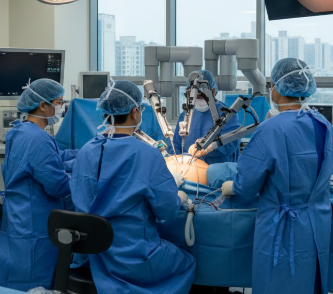
Treatment Overview
Bladder cancer surgery in Korea is recognized globally for its advanced technology, precise surgical methods, and excellent survival outcomes. As one of Asia’s leading centers for urologic oncology, Korea combines high-resolution diagnostic imaging, expert surgical teams, and minimally invasive systems to deliver personalized and effective treatment. The primary surgical options include Transurethral Resection of Bladder Tumor (TURBT), Partial Cystectomy, and Radical Cystectomy with options for neobladder or ileal conduit reconstruction.
Korean hospitals emphasize early detection and detailed diagnosis. Tools such as multi-phase CT scans, MRI, PET-CT, blue-light cystoscopy, and narrow-band imaging help identify tumor stage and depth with clarity. This diagnostic accuracy ensures that patients receive the most appropriate treatment approach. For international patients, dedicated medical tourism teams assist with scheduling, translation, airport pickup, and full-journey coordination, making Korea a preferred destination for bladder cancer surgery.
Purpose & Benefits
The primary purpose of bladder cancer surgery is to remove cancerous tissue completely, prevent future recurrence, and protect urinary function when possible. Korean medical centers integrate surgical precision with patient-focused care to maximize outcomes.
Key benefits include:
• Complete tumor removal using high-precision surgical systems
• Reduced tissue damage through robotic and laparoscopic techniques
• Shorter hospital stay and faster recovery
• Improved bladder preservation options for early-stage cancers
• Accurate pathology evaluation to ensure clear surgical margins
• Lower recurrence rates thanks to enhanced tumor visualization technologies
• Minimal waiting periods for international patients
The combination of advanced infrastructure and experienced oncology specialists makes Korea one of the safest and most effective places for bladder cancer treatment.
Ideal Candidates
Bladder cancer surgery in Korea is recommended for:
• Patients with non-muscle-invasive bladder cancer requiring TURBT
• Individuals with muscle-invasive tumors needing radical cystectomy
• Patients seeking bladder-sparing surgical options
• People with recurrent tumors after initial treatment
• Patients requiring urinary reconstruction such as neobladder creation
• Medical tourists looking for timely and advanced cancer surgery
• Individuals seeking second opinions or specialized diagnostic evaluation
Korean hospitals are also equipped to handle complex cases, elderly patients, and those requiring minimally invasive alternatives.
Possible Risks & Complications
Although Korea has a strong safety record, all bladder cancer surgeries come with certain risks. These may include:
• Bleeding or postoperative infection
• Urinary retention or difficulty urinating
• Tumor recurrence requiring further treatment
• Blood clots or anesthetic reactions
• Temporary or long-term changes in urinary function
• Stoma-related complications in cases of diversion surgery
• Sexual dysfunction, depending on the extent of surgery
• Bowel complications when intestinal tissue is used for reconstruction
Korean hospitals implement detailed preoperative assessments, risk-management protocols, and careful postoperative monitoring to minimize complications and improve recovery outcomes.
Techniques & Technology Used
Korea is at the forefront of innovation in bladder cancer surgery. The following techniques and technologies are commonly used:
• High-definition TURBT using endoscopic tools to remove early tumors
• Holmium and Thulium laser systems for enhanced precision
• Blue-light cystoscopy and Narrow Band Imaging (NBI) for improved tumor detection
• Robotic radical cystectomy using the Da Vinci Xi platform
• Laparoscopic partial cystectomy for bladder-sparing treatment
• Neobladder and ileal conduit reconstruction using intestinal tissue
• Real-time intraoperative pathology for margin confirmation
• Computer-guided surgical navigation systems for accuracy
These technologies significantly enhance surgical precision, reduce complications, and improve functional outcomes for patients.
Treatment Process in Korea
International patients undergoing bladder cancer surgery in Korea typically follow a streamlined and well-organized process:
1. Pre-Arrival Consultation
Patients receive online consultations, record reviews, cost estimates, and travel support.
2. Comprehensive Diagnostics
Upon arrival, patients undergo complete evaluations including cystoscopy, CT/MRI scans, urine cytology, and blood work. Korean hospitals are known for providing results within 24–48 hours.
3. Personalized Treatment Planning
A multidisciplinary team of urologists, radiologists, oncologists, and pathologists designs a customized treatment plan based on tumor staging and patient needs.
4. Scheduling and Surgery
Surgeries are scheduled quickly to avoid long delays. Minimally invasive or robotic procedures are used whenever possible.
5. Post-Surgical Care
Patients benefit from Enhanced Recovery After Surgery (ERAS) programs focusing on pain control, early mobilization, and nutritional support.
6. Long-Term Follow-Up
Regular surveillance through cystoscopy, imaging scans, and lab tests ensures ongoing cancer monitoring and early detection of recurrence.
Recovery & After-Care
Recovery depends on the type of surgery performed. Patients who undergo TURBT typically recover within a few days, often returning home 24–48 hours after the procedure. Radical cystectomy and reconstruction surgeries require a longer 7–10 day hospital stay.
Korean hospitals use ERAS protocols, which include:
• Early ambulation to prevent complications
• Detailed pain management plans
• Gradual dietary advancement
• Guidance for stoma or neobladder management
• Structured follow-up schedules
Most patients resume normal activities within 4–6 weeks after major surgery. Continued monitoring is essential for long-term success.
Results & Longevity
Bladder cancer surgery outcomes in Korea are considered among the best in Asia. With precise diagnostics and skilled surgeons, early-stage bladder cancer treated with TURBT has strong long-term control. For muscle-invasive cancer, radical cystectomy with neobladder reconstruction offers durable oncological outcomes and improved quality of life.
Longevity depends on the cancer stage and adherence to follow-up care. Korean centers consistently report:
• High survival rates
• Low recurrence rates
• Excellent functional outcomes following reconstruction
• Strong long-term patient satisfaction
The high standard of care ensures long-lasting results for both local and international patients.
Why Korea Is a Top Destination
Korea is a global leader in bladder cancer surgery due to:
• Highly experienced urologic oncology surgeons
• Advanced robotic and laser-assisted technologies
• Fast diagnostic and surgical scheduling
• Internationally accredited hospitals with modern facilities
• Multilingual support services for medical tourists
• Affordable treatment pricing compared to the U.S. and Europe
• Strong track record of successful outcomes
• Comprehensive postoperative support
These advantages make Korea one of the safest, most efficient, and most reliable destinations for bladder cancer treatment.
Cost Range
Bladder cancer surgery costs in Korea vary depending on procedure type and hospital:
• TURBT: USD 3,000 – 7,000
• Partial Cystectomy: USD 10,000 – 18,000
• Robotic Radical Cystectomy: USD 20,000 – 35,000
• Neobladder Reconstruction: USD 25,000 – 40,000
• Diagnostic Imaging Package: USD 800 – 2,000
• Follow-Up Cystoscopy: USD 400 – 1,000
Despite the high standard of care, Korea remains significantly more affordable than many Western countries.
Popular Clinics in Korea
• Asan Medical Center – High-volume robotic surgery center
• Seoul National University Hospital – Leading urologic oncology institute
• Samsung Medical Center – Advanced diagnostic and minimally invasive surgery
• Severance Hospital – Multidisciplinary cancer management system
• St. Mary’s Hospital – Experienced in cystectomy and reconstruction
• National Cancer Center Korea – Specialized oncology care
• JK Urology Center – International patient-friendly care model


