
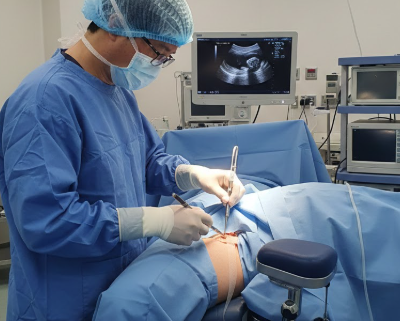
Treatment Overview
Transobturator Tape (TOT) sling surgery is a minimally invasive procedure designed to treat stress urinary incontinence (SUI) in women. The procedure involves placing a synthetic tape under the mid-urethra through the obturator foramen, providing support to prevent urine leakage during activities that increase abdominal pressure, such as coughing, sneezing, or exercising. Korea is internationally recognized for advanced pelvic floor surgeries, offering experienced urologists and gynecologists who specialize in TOT sling placement for both local and international patients.
Purpose & Benefits
The primary purpose of TOT sling surgery is to restore urinary continence and improve the patient’s quality of life. Key benefits include:
- Effectively reduces or eliminates stress urinary incontinence
- Minimally invasive procedure with small incisions and minimal scarring
- Reduced risk of bladder or bowel injury compared to retropubic approaches
- Short hospital stay and faster recovery
- High long-term success rates
- Can be combined with other pelvic procedures if necessary
Korean hospitals provide personalized surgical plans to ensure optimal tape placement and successful outcomes.
Ideal Candidates
Ideal candidates for TOT sling surgery include:
- Women suffering from stress urinary incontinence due to weakened pelvic floor muscles or post-childbirth changes
- Patients who have not responded to conservative treatments such as pelvic floor exercises or medications
- Adults in good general health without active urinary tract infections
- Medically suitable for anesthesia and minimally invasive surgery
Preoperative evaluations include pelvic examination, urinalysis, and urodynamic studies to determine the best surgical approach.
Possible Risks & Complications
TOT sling surgery is generally safe, but potential risks include:
- Temporary urinary retention
- Sling erosion or exposure
- Urinary tract infections
- Rare pain or discomfort in the groin or pelvic area
- Very rare bladder or urethral injury
- Minor bleeding or allergic reactions
Korean surgeons minimize risks through precise sling placement, advanced surgical techniques, and postoperative monitoring.
Techniques & Technology Used
Korean hospitals employ advanced TOT sling techniques, including:
- Transobturator approach through the obturator foramen to reduce bladder and bowel injury
- Minimally invasive placement with small incisions for faster recovery
- Real-time imaging guidance to ensure accurate sling positioning
- Integration with pre- and post-operative urodynamic studies
- Postoperative monitoring to detect early complications
These methods ensure effective treatment outcomes and patient safety.
Treatment Process in Korea
The treatment process typically includes:
- Preoperative assessment including urinalysis, pelvic exam, and urodynamic studies
- Surgery performed under general or regional anesthesia, usually lasting 1–2 hours
- Observation and recovery in hospital for 24–48 hours depending on patient condition
- Follow-up appointments to monitor healing, continence, and sling function
- Pelvic floor therapy may be recommended to support recovery
Multilingual coordinators assist international patients with scheduling, travel, and aftercare guidance.
Recovery & After-Care
Recovery is generally smooth due to the minimally invasive procedure. Postoperative care includes:
- Avoiding heavy lifting or strenuous activity for 4–6 weeks
- Maintaining hydration and a high-fiber diet to prevent constipation
- Monitoring urinary output and reporting retention or leakage
- Attending follow-up visits to assess sling function and healing
- Performing pelvic floor exercises if recommended
Most patients resume normal daily activities within 2–4 weeks.
Results & Longevity
TOT sling surgery in Korea offers high success rates, with over 85–90% of patients experiencing significant improvement in stress urinary incontinence. Results are long-lasting, and repeat procedures are rarely needed. Patients generally experience improved confidence, social functioning, and lifestyle quality.
Why Korea Is a Top Destination
Korea is preferred for TOT sling surgery due to:
- Highly experienced urologists and gynecologists specializing in pelvic floor surgery
- Advanced minimally invasive techniques with high precision
- Short hospital stays and rapid recovery protocols
- Integration of pre- and postoperative urodynamic assessments
- Multilingual support and international patient coordination
- Transparent, cost-effective treatment packages
Patients benefit from expert care, precise surgery, and structured follow-up.
Cost Range
The cost of TOT sling surgery in Korea typically ranges from USD 5,000 to USD 9,000, depending on:
- Hospital type and surgical approach
- Tape material and surgical technique
- Length of hospital stay and follow-up care
Hospitals provide comprehensive packages covering all surgical and recovery steps for international patients.
Popular Clinics in Korea
- Asan Medical Center – Urology & Female Pelvic Medicine Clinic
- Seoul National University Hospital – Urology & Pelvic Floor Program
- Samsung Medical Center – Minimally Invasive Sling Surgery Unit
- Severance Hospital (Yonsei University) – Urology & Female Pelvic Health Clinic
- Korea University Anam Hospital – Outpatient Urology & Pelvic Surgery Center
- Seoul St. Mary’s Hospital – Female Pelvic Floor & Continence Surgery Unit


