
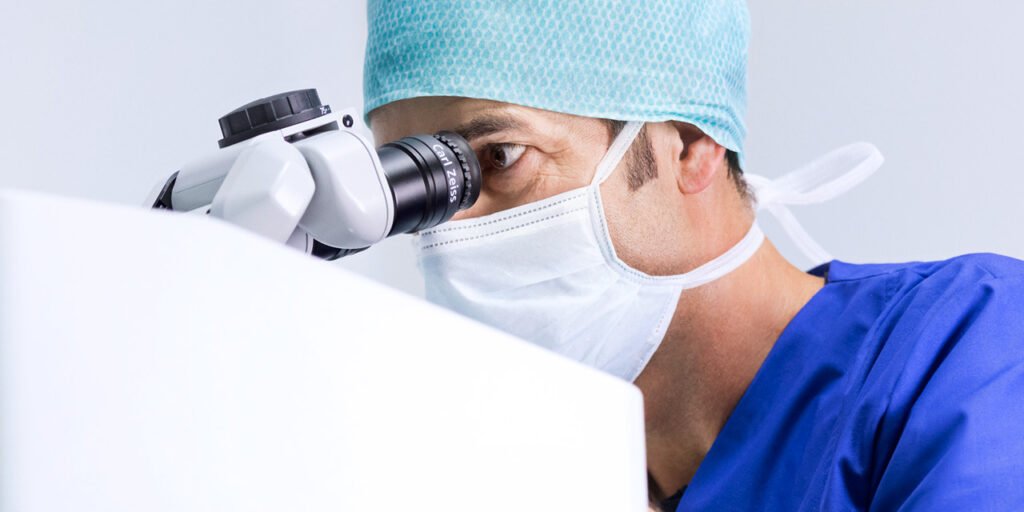
LASEK (Laser-Assisted Sub-Epithelial Keratectomy) is a highly effective laser vision correction procedure, but it can come with temporary pain and discomfort during the recovery phase. Proper management of these symptoms is crucial for a smooth healing process and optimal visual outcomes.
If you’re wondering how to handle pain and irritation after LASEK, this guide provides practical tips and medication advice to keep you comfortable while your eyes heal.
Why Does LASEK Cause Discomfort?
Unlike LASIK, which creates a corneal flap, LASEK involves loosening and temporarily removing the thin epithelial layer of the cornea before laser reshaping. This leaves the nerve endings exposed until the epithelium regenerates, causing:
- Eye irritation and soreness
- Sensitivity to light
- Foreign body sensation (feeling like something is in your eye)
- Tearing and redness
This discomfort typically peaks during the first 2-3 days after surgery and gradually improves as healing progresses.
🛌 Immediate Post-Op Pain Management Tips
1. Use Prescribed Eye Drops Exactly as Directed
- Antibiotic drops to prevent infection
- Steroid or anti-inflammatory drops to reduce swelling and discomfort
- Lubricating/artificial tears to relieve dryness and irritation
Following the eye drop schedule carefully helps minimize inflammation and pain.
2. Use Over-the-Counter Pain Relievers
- Mild pain can often be managed with acetaminophen (Tylenol) or ibuprofen (Advil, Motrin).
- Avoid aspirin or blood thinners unless approved by your doctor, as these may increase bleeding risk.
3. Apply Cold Compresses
- Gentle cold compresses over closed eyelids can reduce swelling and soothe irritation.
- Use a clean, soft cloth soaked in cold water, and avoid putting pressure on the eye.
👁️ Tips to Relieve Eye Irritation and Promote Healing
4. Avoid Rubbing or Touching Your Eyes
- Touching your eyes can dislodge the healing epithelium and increase infection risk.
- Be mindful during sleep and daily activities.
5. Wear Protective Eyewear or Sunglasses
- Sunglasses shield your eyes from bright light and UV exposure, which can increase discomfort.
- Use any protective shields provided by your surgeon, especially while sleeping.
6. Minimize Screen Time and Reading
- Excessive screen use or focusing on close objects can strain your eyes during recovery.
- Take frequent breaks (20-20-20 rule: every 20 minutes, look at something 20 feet away for 20 seconds).
🌙 Nighttime Care
7. Use Lubricating Ointments
- Your doctor may recommend a thicker lubricating ointment for nighttime use to keep your eyes moist and comfortable during sleep.
8. Avoid Makeup and Facial Products Near Eyes
- Skip eye makeup and harsh facial cleansers until your surgeon confirms it’s safe.
- This reduces irritation and infection risk.
When to Contact Your Surgeon
- Severe or worsening pain beyond 3-4 days
- Sudden vision changes like flashes or shadows
- Excessive redness or discharge
- Persistent light sensitivity or swelling
Promptly reporting any unusual symptoms ensures timely treatment and prevents complications.
Summary Table: Managing LASEK Discomfort
| Symptom | Management Tips |
|---|---|
| Pain & Soreness | Prescribed drops, OTC pain relievers, cold compress |
| Eye Irritation & Dryness | Artificial tears, avoid rubbing, protective eyewear |
| Light Sensitivity | Sunglasses, avoid bright screens |
| Nighttime Comfort | Lubricating ointment, protective shields |
| When to Seek Help | Severe pain, vision changes, redness/discharge |
Final Thoughts
Pain and discomfort after LASEK are temporary and manageable with proper care. Following your surgeon’s instructions, using medications as prescribed, and adopting simple self-care strategies can help you stay comfortable while your eyes heal. Remember, patience and gentle care are key for the best visual outcomes.


