
Treatment Overview
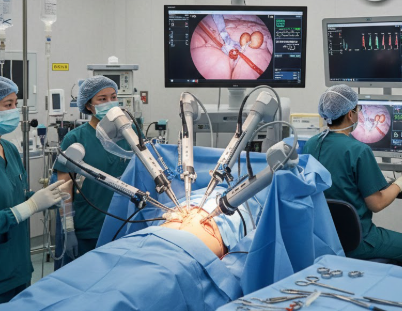
Laparoscopic Male Infertility Surgery in Korea refers to a group of minimally invasive procedures used to diagnose and treat anatomical or structural conditions that impair male fertility. This includes issues such as varicocele, obstructive azoospermia, vas deferens blockage, undescended testicles, and complications from previous surgeries. Using advanced laparoscopic instruments and high-definition imaging, Korean urologists can correct these conditions through small incisions with exceptional precision and reduced recovery time.
Korea is recognized globally for its advanced urology and reproductive medicine sectors, combining minimally invasive surgery with cutting-edge fertility technologies. Many men from around the world travel to Korea seeking definitive treatment that can improve natural fertility outcomes or enhance success in assisted reproductive programs such as IVF or ICSI.
Purpose & Benefits
The primary purpose of laparoscopic male infertility surgery is to correct physical abnormalities that prevent sperm production, impair sperm quality, or obstruct sperm delivery.
Key benefits include:
- Minimally invasive approach with reduced tissue trauma
- Faster recovery time compared to open surgery
- Smaller, nearly invisible scars
- Enhanced accuracy with 3D/4K laparoscopic imaging
- Improvement in natural fertility potential
- Increased success rates of IVF or ICSI treatments
- Lower risk of complications such as bleeding or infection
By offering both therapeutic and diagnostic advantages, laparoscopic male infertility surgery helps men restore reproductive function while minimizing surgical risks.
Ideal Candidates
Ideal candidates for Laparoscopic Male Infertility Surgery in Korea include:
- Men with confirmed varicoceles affecting sperm quality
- Individuals with obstructive azoospermia due to blockage in the vas deferens or epididymis
- Men who have non-palpable undescended testicles
- Patients with prior pelvic or testicular surgeries leading to obstruction
- Men with congenital abnormalities such as missing vas deferens segments
- Couples experiencing long-term infertility where male factors are suspected
- Patients requiring sperm retrieval surgery as part of IVF programs
Candidates undergo semen analysis, hormonal evaluation, scrotal ultrasound, and possibly MRI or CT scans to identify the underlying cause of infertility.
Possible Risks & Complications
Although laparoscopic male infertility surgery is safe and highly successful in Korea, all surgical procedures carry certain risks. These include:
- Bleeding
- Infection
- Injury to surrounding structures such as testicular vessels
- Formation of hydrocele
- Persistent or recurrent varicocele
- Chronic groin or pelvic pain
- Failure to restore sperm production
- Complications from anesthesia
Korean hospitals minimize these risks through advanced technology, experienced surgeons, and comprehensive postoperative monitoring.
Techniques & Technology Used
Korean urology centers use state-of-the-art technology to achieve optimal outcomes in male infertility surgery. Common laparoscopic techniques include:
- Laparoscopic Varicocelectomy: Precision ligation of enlarged veins to improve testicular blood flow and sperm production.
- Laparoscopic Reconstruction for Obstruction: Correcting blockages in the vas deferens or epididymis.
- Laparoscopic Orchidopexy: Bringing undescended testicles into the scrotum to preserve fertility and reduce cancer risk.
- Laparoscopic Vasovasostomy or Vasoepididymostomy: Reconnection of vas deferens for men after vasectomy or trauma.
- Laparoscopic Sperm Retrieval Assistance: For men with azoospermia requiring TESE or micro-TESE in parallel with IVF treatments.
Advanced technologies used include: - 3D or 4K laparoscopic imaging systems
- Mini-laparoscopic instruments (3–5 mm) for delicate tissue handling
- Robotic-assisted systems for high-precision reconstruction
- Intraoperative Doppler imaging for vessel preservation
- Fluorescence imaging for improved visualization of blood supply
These innovations allow surgeons to achieve excellent functional outcomes with minimal disruption.
Treatment Process in Korea
The treatment journey for laparoscopic male infertility surgery in Korea is highly structured and optimized for international patients.
- Initial Online Consultation
Patient shares semen analysis results, medical history, ultrasound images, and fertility goals. Specialists recommend necessary diagnostic tests. - Clinical Evaluation in Korea
Tests may include:- Hormone panel
- Scrotal ultrasound
- Semen analysis repeat
- Genetic testing (if needed)
- Imaging for anatomical issues
- Customized Treatment Planning
Based on diagnosis, the urologist decides the appropriate laparoscopic method (e.g., varicocelectomy, reconstruction, orchidopexy). - Surgery Day
- General anesthesia is administered.
- 3–4 small incisions are made in the abdomen or pelvis.
- Laparoscopic instruments correct the abnormality with minimal trauma.
- Postoperative Care
Patients remain in the hospital for 1–2 days for monitoring. Pain control is usually minimal due to the minimally invasive nature of the surgery. - Follow-Up & Fertility Monitoring
Follow-up includes semen analysis at 3, 6, and 12 months to track improvements in sperm production and quality.
Korea also offers integrated fertility clinics, allowing seamless collaboration between urologists and reproductive specialists.
Recovery & After-Care
Recovery after laparoscopic male infertility surgery in Korea is generally fast and comfortable.
Typical recovery features include:
- Minor pain controlled with oral medication
- Return to daily activities within 3–5 days
- Avoidance of heavy lifting and sexual activity for 2–4 weeks
- Minimal scarring and quick healing of small incisions
After-care instructions usually include: - Keeping the surgical area dry and clean
- Avoiding strenuous exercise temporarily
- Wearing supportive underwear to reduce discomfort
- Attending follow-up semen analyses
Many patients notice improvements in sperm parameters within 3–6 months.
Results & Longevity
Laparoscopic male infertility surgery performed in Korea offers excellent long-term results, with high success rates depending on the condition treated:
- Varicocelectomy success rates exceed 90% with improvement in sperm quality in 60–80% of cases.
- Vasectomy reversal success rates can reach 70–95% depending on obstruction duration.
- Orchidopexy significantly improves fertility potential in men with undescended testicles.
- Obstructive azoospermia repair restores sperm flow in many cases.
- When combined with assisted reproductive technologies, pregnancy success rates increase considerably.
Most improvements are long-lasting, with many patients achieving natural conception or higher fertility treatment success.
Why Korea Is a Top Destination
Korea is one of the world’s leading destinations for male infertility surgery due to:
- Highly experienced urologists specializing in reproductive microsurgery
- Advanced laparoscopic and robotic surgical platforms
- Excellent success rates in fertility restoration
- Integration between urology and infertility treatment centers
- Affordable pricing compared to Western countries
- Efficient medical tourism services, including translation and international support
- High-quality postoperative care with structured follow-up programs
Korea’s combination of medical excellence, technology, and patient support makes it an ideal choice for men seeking effective fertility treatment.
Cost Range
The cost of Laparoscopic Male Infertility Surgery in Korea varies depending on the specific procedure:
- Laparoscopic varicocelectomy: USD 4,000 – 8,000
- Laparoscopic vasectomy reversal or reconstruction: USD 6,000 – 15,000
- Laparoscopic orchidopexy: USD 3,500 – 7,000
- Laparoscopic obstruction repair: USD 6,000 – 12,000
Additional costs may apply if assisted reproductive technologies (IVF/ICSI) are used.
Compared to the US, Europe, and Australia, Korea offers significantly more affordable high-quality fertility surgery.
Popular Clinics in Korea
- Asan Medical Center – Male Fertility Surgery Unit
- Seoul National University Hospital – Urology & Reproductive Center
- Samsung Medical Center – Andrology & Male Infertility Clinic
- Severance Hospital – Robotic and Laparoscopic Reproductive Surgery Team
- CHA Fertility Center & Bundang CHA Medical Center
- Korea University Guro Hospital – Andrology Department
These institutions are among the most reputable for male infertility surgery, offering advanced technology and excellent surgical outcomes.


