
Treatment Overview
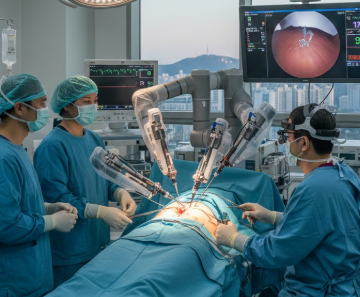
Laparoscopic Pediatric Urologic Surgery in Korea refers to a wide range of minimally invasive surgical procedures performed on infants, children, and adolescents to treat congenital or acquired urologic conditions. These procedures involve small incisions, specialized laparoscopic instruments, and high-definition camera systems that allow pediatric urologists to treat complex anatomical issues with exceptional precision.
Common pediatric laparoscopic urologic surgeries performed in Korea include pyeloplasty for ureteropelvic junction obstruction (UPJO), nephrectomy, heminephrectomy, orchiopexy for undescended testicles, ureteral reimplantation, and surgery for vesicoureteral reflux (VUR).
Korea is known for advanced pediatric hospitals, highly trained urologists, and child-friendly surgical environments, making it an excellent destination for families seeking safe, effective, minimally invasive treatment for pediatric urologic diseases.
Purpose & Benefits
The primary purpose of laparoscopic pediatric urologic surgery is to correct anatomical abnormalities affecting the kidneys, bladder, ureters, or reproductive organs, improving urinary function and reducing the risk of long-term complications.
Key benefits include:
- Minimally invasive approach with tiny incisions
- Reduced postoperative pain
- Faster recovery and earlier return to daily activities
- Less scarring compared to open surgery
- Enhanced surgical precision with 3D laparoscopic visualization
- Lower risk of infection and blood loss
- Improved cosmetic outcomes, especially important in children
These advantages make minimally invasive surgery the preferred approach for most pediatric urologic conditions in Korea.
Ideal Candidates
Ideal candidates for Laparoscopic Pediatric Urologic Surgery in Korea include:
- Children diagnosed with UPJO or kidney drainage problems
- Infants with severe vesicoureteral reflux requiring surgical correction
- Children with non-functioning or severely damaged kidneys needing partial or complete nephrectomy
- Patients with undescended testicles requiring laparoscopic orchiopexy
- Children with ureteral blockages or congenital anatomical abnormalities
- Pediatric patients who have not responded to medical or conservative treatments
Age is not a limiting factor; even infants as young as a few months old can undergo laparoscopic procedures safely at specialized pediatric centers.
Possible Risks & Complications
Although minimally invasive pediatric surgery is safe and highly effective in Korea, all surgical procedures carry potential risks, including:
- Bleeding
- Postoperative infection
- Injury to nearby organs or blood vessels
- Urinary leakage (rare)
- Anesthesia-related reactions in young children
- Need for conversion to open surgery
- Recurrence of obstruction or reflux (depending on the condition)
Korea’s pediatric hospitals follow strict safety protocols, and surgeries are performed by board-certified pediatric urologists to minimize complications.
Techniques & Technology Used
Korea is internationally recognized for its advanced laparoscopic and robotic-assisted pediatric surgical technologies. Key techniques include:
- 3D High-Definition Laparoscopy for enhanced visualization
- Mini-laparoscopic instruments (3–5 mm size) specifically designed for children
- Retroperitoneoscopic approach for certain kidney surgeries, reducing postoperative pain
- Robot-assisted pediatric urologic surgery using da Vinci systems for complex reconstructions
- Fluorescence-guided imaging to assess real-time blood flow and tissue perfusion
- Ultrasound-guided port placement to improve precision
These technologies ensure accuracy, safety, and better functional outcomes for young patients.
Treatment Process in Korea
The treatment process for international pediatric patients in Korea is streamlined and family-focused:
- Initial Consultation
Parents share medical history, imaging results, and previous treatments. Pediatric urologists may request additional ultrasound or CT scans. - Preoperative Evaluation
This includes blood tests, urine tests, anesthesia assessment, and child-friendly counseling to reduce anxiety. - Surgical Planning
Surgeons determine whether the child needs a laparoscopic or robotic approach depending on anatomy and diagnosis. - Surgery Day
The child is placed under general anesthesia. Small incisions are made, and laparoscopic instruments are used to complete the procedure with minimal trauma. - Postoperative Monitoring
Specialized pediatric recovery units monitor vital signs, pain, hydration, and urinary output. - Discharge
Most children go home within 1–3 days depending on the surgery type. - Follow-Up
Families receive instructions for wound care, activity restrictions, and follow-up imaging to confirm successful surgical correction.
For medical tourists, coordinators provide translation support, scheduling, and travel assistance.
Recovery & After-Care
Recovery after Laparoscopic Pediatric Urologic Surgery in Korea is typically fast and comfortable.
Key recovery notes include:
- Reduced pain compared to open surgery
- Most children resume light activities within a week
- Full recovery within 2–3 weeks for most procedures
- Small bandages over incisions that heal quickly
- Oral pain medications provided as needed
- Follow-up ultrasound within 1–3 months
Parents receive detailed postoperative instructions regarding bathing, activity limitations, and signs of complications to monitor.
Results & Longevity
Most pediatric urologic procedures performed laparoscopically in Korea offer long-term or permanent correction of the underlying condition.
Expected outcomes include:
- Normalization of urinary drainage
- Resolution of pain related to obstruction
- Prevention of future kidney damage
- Improved urinary control in VUR surgeries
- Permanent fixation of testicles in orchiopexy
These results typically last for life, especially when detected and treated early.
Why Korea Is a Top Destination
Korea is one of the world’s leading destinations for pediatric minimally invasive urologic surgery due to:
- World-class pediatric hospitals with specialized surgical units
- Highly experienced pediatric urologists trained in advanced laparoscopy
- Cutting-edge surgical technology and robotics
- Child-friendly environments focused on comfort and safety
- Efficient medical tourism services with multilingual support
- Affordable pricing compared to the US, Japan, or Singapore
- Strong reputation for precision, safety, and high success rates
International families choose Korea because the combination of expertise and technology ensures optimal outcomes for children.
Cost Range
The cost of Laparoscopic Pediatric Urologic Surgery in Korea varies based on the condition and procedure type:
- Laparoscopic pyeloplasty: USD 6,000 – 12,000
- Laparoscopic nephrectomy or heminephrectomy: USD 7,000 – 14,000
- Laparoscopic orchiopexy: USD 3,000 – 6,500
- Ureteral reimplantation: USD 6,500 – 12,000
Prices include surgeon fees, anesthesia, hospitalization, imaging, and postoperative care. Additional services for international patients may include translation and concierge support.
Popular Clinics in Korea
- Seoul National University Children’s Hospital
- Asan Medical Center – Pediatric Urology Department
- Samsung Medical Center – Children’s Hospital
- Severance Hospital Pediatric Urology Center
- CHA Bundang Medical Center
- Korea University Anam Hospital
These hospitals are leaders in pediatric minimally invasive surgery with advanced equipment and dedicated child-care facilities.


