
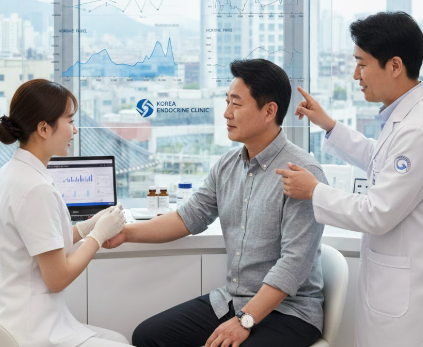
Treatment Overview
Testosterone Therapy with Monitoring Program is a comprehensive hormone replacement approach that not only provides testosterone supplementation but also includes regular monitoring to ensure optimal hormonal balance, safety, and effectiveness. This program is designed to address low testosterone symptoms such as fatigue, low libido, reduced muscle mass, and cognitive decline.
In Korea, specialized endocrinology and urology clinics offer personalized testosterone therapy programs integrated with detailed monitoring schedules. Patients receive advanced diagnostics, precise dosing, and ongoing evaluation to maintain consistent and safe testosterone levels.
Purpose & Benefits
The primary purpose of this therapy is to restore testosterone levels safely while closely tracking patient responses to minimize side effects and maximize outcomes.
Key benefits include:
- Improved energy, mood, and vitality
- Enhanced libido and sexual performance
- Increased muscle mass, strength, and physical endurance
- Improved bone density and reduced risk of osteoporosis
- Cognitive benefits including focus and mental clarity
- Minimized risk of side effects such as polycythemia, gynecomastia, or hormonal imbalances
- Personalized, data-driven adjustments to therapy for sustained results
This program is ideal for men who want structured, safe, and long-term testosterone optimization.
Ideal Candidates
Ideal candidates include:
- Men diagnosed with low testosterone (hypogonadism)
- Patients experiencing fatigue, reduced libido, or erectile dysfunction
- Individuals with reduced muscle mass or bone density
- Men seeking hormone therapy with professional monitoring for safety
- Patients looking for personalized hormone management as part of a long-term health plan
Eligibility is confirmed through comprehensive hormonal evaluation, blood tests, and consultation with a Korean endocrinologist or urologist.
Possible Risks & Complications
Testosterone therapy with a monitoring program is generally safe under medical supervision, but potential risks may include:
- Acne or oily skin
- Fluid retention or edema
- Increased red blood cell count (polycythemia)
- Gynecomastia (breast tenderness or enlargement)
- Sleep apnea exacerbation
- Rare cardiovascular or liver complications
- Hormonal imbalances if therapy is not properly monitored
Korean clinics minimize risks through regular lab assessments, careful dose adjustments, and patient education.
Techniques & Technology Used
Korean clinics employ advanced techniques for testosterone therapy with monitoring:
- Comprehensive baseline hormonal assessment including testosterone, estradiol, LH, FSH, and PSA
- Personalized dosing schedules using injections, gels, patches, or pellet therapy
- Regular laboratory monitoring of testosterone levels, hematocrit, PSA, and liver function
- Lifestyle, nutrition, and exercise guidance to support therapy outcomes
- Integration with complementary hormone optimization strategies as required
- Data-driven adjustments to ensure safe and effective hormone management
These measures ensure therapy is both effective and individualized for each patient.
Treatment Process in Korea
The treatment process includes:
- Initial consultation and thorough evaluation of hormonal levels and symptoms
- Blood tests to establish baseline testosterone, estradiol, hematocrit, and other relevant parameters
- Personalized testosterone therapy plan with administration method and dosing schedule
- Patient education on therapy administration, monitoring, and lifestyle considerations
- Scheduled follow-up visits for lab tests and clinical assessment
- Dose adjustments based on lab results and patient response to maintain optimal testosterone levels
International patient services assist with appointment scheduling, translation, and ongoing follow-up care.
Recovery & After-Care
Testosterone therapy with monitoring does not require traditional recovery but involves ongoing care:
- Regular blood tests to monitor testosterone, estradiol, hematocrit, and PSA
- Dose adjustments based on lab results and clinical response
- Maintaining a healthy lifestyle, diet, and exercise routine to optimize therapy benefits
- Periodic assessment of cardiovascular, liver, and prostate health
Patients generally experience improvements in energy, libido, muscle mass, and overall well-being within weeks of therapy initiation.
Results & Longevity
This therapy ensures sustained improvements in testosterone-related symptoms by maintaining optimal hormone levels through continuous monitoring. Long-term therapy under supervision supports sexual health, cognitive function, energy, and overall vitality, while minimizing risks and side effects.
Why Korea Is a Top Destination
Korea is a leading destination for testosterone therapy with monitoring due to:
- Experienced endocrinologists and urologists specializing in hormone optimization
- Advanced diagnostic laboratories for accurate and frequent hormonal assessments
- Personalized therapy plans with continuous monitoring and dose adjustments
- High clinical standards and patient safety protocols
- Comprehensive support for international patients, including translation, scheduling, and follow-up care
Korea offers safe, effective, and structured hormone therapy programs for long-term male health.
Cost Range
The cost of testosterone therapy with a monitoring program in Korea generally ranges from USD 400 to USD 800 per month, depending on therapy type, monitoring frequency, and clinic services. Laboratory tests and follow-up visits are typically included.
Popular Clinics in Korea
Reputable clinics offering testosterone therapy with monitoring programs include:
- Specialized endocrinology and urology centers in Seoul and Gangnam
- International patient-focused hospitals with male hormone optimization programs
- Male wellness clinics providing integrated lifestyle, nutrition, and hormone support
Clinic selection should prioritize medical expertise, continuous monitoring, and personalized care.


