
Treatment Overview
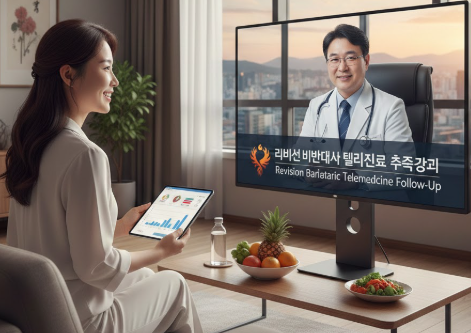
Revision bariatric telemedicine follow-up is a modern approach to post-operative care for patients who have undergone revision bariatric surgery. It enables remote monitoring and consultation with bariatric specialists, allowing patients—especially international ones—to maintain continuous care without traveling frequently.
→ Remote consultation via video calls, phone, or secure online portals.
→ Monitoring of weight, vitals, and surgical recovery.
→ Dietary and lifestyle guidance delivered virtually by a multidisciplinary team.
Korea is a preferred destination due to highly experienced surgeons, advanced telemedicine infrastructure, and patient-centered care programs.
Purpose & Benefits
Telemedicine follow-up offers several key benefits:
→ Convenient post-operative care for international patients.
→ Early detection of complications such as infection, leaks, or nutritional deficiencies.
→ Ongoing nutritional and lifestyle support for sustained weight loss.
→ Continuous monitoring of comorbidities like diabetes or hypertension.
→ Enhanced patient engagement and adherence to post-operative protocols.
This approach ensures safety, convenience, and long-term success of revision bariatric surgery.
Ideal Candidates
Ideal candidates include patients who:
→ Live abroad or far from the surgical center.
→ Require regular monitoring after revision bariatric surgery.
→ Need ongoing dietary and lifestyle counseling.
→ Have comorbidities such as diabetes or hypertension requiring continuous follow-up.
Telemedicine follow-up is suitable for all post-op bariatric patients, especially those with mobility or travel limitations.
Possible Risks & Complications
While telemedicine follow-up is safe, potential risks include:
→ Delayed detection of severe complications if patients do not report symptoms promptly.
→ Technical issues such as poor internet connectivity affecting consultations.
→ Miscommunication or misunderstanding of instructions without in-person assessment.
→ Limited ability for physical examination, requiring in-person visits if serious concerns arise.
Korean clinics minimize risks by combining telemedicine with scheduled in-person assessments when necessary.
Techniques & Technology Used
Telemedicine follow-up in Korea utilizes:
→ Secure video conferencing platforms – HIPAA-compliant and private.
→ Digital health monitoring – Apps and devices to track weight, blood pressure, and glucose.
→ Remote diet and lifestyle counseling – Nutritionists provide meal plans and exercise guidance online.
→ Integrated patient portals – For lab results, medication tracking, and direct communication with the care team.
→ Multidisciplinary virtual care – Surgeons, dietitians, endocrinologists, and physiotherapists coordinate care remotely.
Korean clinics integrate advanced technology with expert care to ensure effective remote follow-up.
Treatment Process in Korea
The telemedicine follow-up process typically involves:
→ Initial Setup → Registration on secure telemedicine platforms.
→ Post-Op Teleconsultation → Within 1–2 weeks of discharge for early recovery check.
→ Short-Term Follow-Ups → Weekly or biweekly virtual sessions for wound monitoring, diet, and vitals.
→ Long-Term Follow-Ups → Monthly or quarterly sessions for 6–12 months.
→ Lab & Imaging Review → Upload results digitally for remote evaluation.
→ Lifestyle & Nutrition Guidance → Personalized meal and exercise plans monitored remotely.
→ Emergency Protocols → Instruct patients to visit the clinic immediately if serious complications arise.
Korean hospitals provide structured telemedicine schedules and multilingual support for international patients.
Recovery & After-Care
Telemedicine follow-up ensures safe post-operative recovery:
→ Monitor surgical healing and vitals remotely.
→ Track weight loss progress and metabolic markers.
→ Adjust dietary and supplementation plans based on lab results.
→ Provide continuous support for exercise and lifestyle adherence.
→ Schedule in-person visits when necessary to address complications.
Patients benefit from continuous guidance and reduced travel burden, improving recovery and long-term outcomes.
Results & Longevity
Expected outcomes include:
→ Sustained weight loss with ongoing support.
→ Early detection and management of complications, preventing long-term issues.
→ Better adherence to dietary, exercise, and lifestyle recommendations.
→ Improved management of comorbidities such as diabetes or hypertension.
→ Enhanced patient satisfaction and convenience, especially for international patients.
Success depends on active participation in telemedicine sessions and adherence to post-operative guidelines.
Why Korea Is a Top Destination
Korea is a leader in telemedicine follow-up for bariatric surgery due to:
→ Highly experienced bariatric surgeons and multidisciplinary teams.
→ Advanced digital health infrastructure for secure, effective remote care.
→ Comprehensive international patient programs, including telemedicine and in-person follow-ups.
→ Affordable post-operative care compared to Western countries.
→ Integrated care combining surgery, nutrition, and lifestyle monitoring.
Patients benefit from high-quality care and expert guidance without frequent travel.
Cost Range
Costs for telemedicine follow-up vary depending on the program:
→ Standard Virtual Follow-Up: $150 – $300 USD per session
→ Comprehensive Telemedicine Program: $1,000 – $2,500 USD for 6–12 months
Costs typically include virtual consultations, lab review, diet and lifestyle counseling, and remote monitoring tools. Many clinics offer packages combining surgery and telemedicine follow-up for international patients.
Popular Clinics in Korea
Top clinics offering telemedicine follow-up for revision bariatric surgery:
→ Seoul National University Hospital, Bariatric Center – Secure telemedicine with multidisciplinary support.
→ Asan Medical Center, Obesity & Metabolic Surgery Unit – Structured virtual follow-up program.
→ Samsung Medical Center, Bariatric Surgery Department – Remote monitoring of recovery, labs, and nutrition.
→ JK Plastic & Obesity Clinic, Seoul – Personalized telemedicine follow-up with diet and lifestyle coaching.
→ Medi-Weight Clinic, Seoul – International telemedicine support with continuous virtual care.
These clinics provide high-quality, patient-centered remote follow-up for international revision bariatric patients.


