
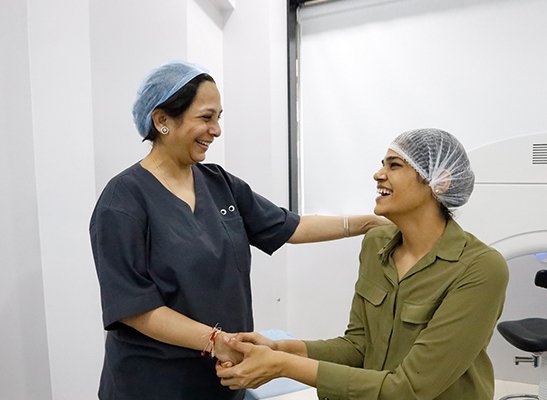
SMILE (Small Incision Lenticule Extraction) eye surgery is a revolutionary vision correction procedure favored by medical tourists visiting South Korea for its safety, precision, and rapid recovery. While the surgery itself is relatively quick and minimally invasive, post-surgery follow-up care is crucial to ensure optimal healing and long-term success.
If you’re a medical tourist planning to undergo SMILE surgery in Korea, understanding the post-operative care process and follow-up requirements will help you enjoy a smooth recovery and the best possible vision outcome. This comprehensive guide covers everything you need to know about post-surgery care and follow-up as an international patient.
Why Is Follow-Up Care Important After SMILE Surgery?
Even though SMILE involves a small incision and minimal disruption to the cornea, the eye still needs time to heal and adjust. Proper follow-up:
- Monitors the healing process and identifies any complications early
- Ensures your vision is improving as expected
- Helps manage side effects such as dryness or irritation
- Provides guidance on activity restrictions and eye care
- Reassures patients during recovery, especially those far from home
Typical Post-Surgery Follow-Up Schedule in Korea
Day 1: Initial Post-Op Check
- The surgeon will examine your eyes to assess healing and corneal condition.
- Visual acuity tests are performed to measure immediate vision improvement.
- You will receive detailed instructions for eye drop use, hygiene, and activity restrictions.
- Any discomfort, redness, or swelling will be evaluated and addressed.
Week 1: Early Healing Assessment
- Follow-up to ensure the cornea is healing properly.
- Check for inflammation, infection, or signs of dry eye.
- Re-assessment of visual acuity and refraction.
- Reinforcement of care instructions and lifestyle adjustments.
1 Month: Vision Stability Check
- Evaluate the stability and quality of your vision.
- Assess corneal health and nerve regeneration.
- Discuss any lingering symptoms and possible enhancements.
- Often the last mandatory follow-up before patients return home.
Optional Follow-Ups: 3 to 6 Months
- Some clinics offer or recommend additional visits to monitor long-term results.
- Address any late-onset dry eye or minor visual fluctuations.
Essential Post-Surgery Care Tips for Medical Tourists
1. Follow Your Eye Drop Regimen
- Use prescribed antibiotic and anti-inflammatory eye drops exactly as directed.
- Avoid skipping doses to prevent infection and control inflammation.
- Some patients may also receive artificial tears to alleviate dryness.
2. Avoid Eye Rubbing or Touching
- Eye rubbing can dislodge healing tissues and increase infection risk.
- Use clean tissues if you need to wipe tears or discharge.
3. Protect Your Eyes
- Wear sunglasses outdoors to shield against UV rays and wind.
- Avoid dusty or smoky environments during early healing.
4. Manage Activity Levels
- Avoid strenuous exercise, swimming, and sauna visits for at least 2 weeks.
- Limit screen time initially to reduce eye strain.
- Get plenty of rest to promote healing.
5. Report Any Unusual Symptoms Immediately
- Persistent pain, sudden vision loss, increased redness, or discharge require urgent medical attention.
- Keep your clinic’s emergency contact details handy.
Follow-Up Care Options for Medical Tourists After Returning Home
1. Remote Consultations with Korean Clinic
- Many Korean clinics offer telemedicine follow-ups via video calls.
- Share your symptoms and photos to allow doctors to assess your progress.
- Convenient for patients who have returned to distant countries.
2. Local Ophthalmologist Visits
- Schedule check-ups with an eye specialist in your home country.
- Share surgical reports and post-op instructions from your Korean surgeon.
- Coordinate care to monitor healing and manage any complications.
What to Expect During Follow-Up Appointments
- Eye examinations using slit lamps to inspect corneal healing.
- Vision tests to measure clarity and focus.
- Intraocular pressure checks to rule out glaucoma.
- Discussion of any symptoms like dryness, halos, or glare.
- Adjustment or extension of eye drop prescriptions if needed.
Common Post-Surgery Side Effects and Their Management
| Side Effect | Description | Management |
|---|---|---|
| Mild Dry Eye | Temporary decreased tear production | Use artificial tears; humidify rooms |
| Light Sensitivity | Increased glare or halos at night | Wear sunglasses; avoid bright lights |
| Blurred Vision | Temporary fluctuations | Usually resolves within weeks |
| Eye Irritation | Redness or foreign body sensation | Use prescribed drops; avoid irritants |
Most side effects are mild and resolve naturally with proper care.
Final Thoughts for Medical Tourists
Post-surgery follow-up care is an essential part of the SMILE eye surgery journey, especially for international patients who must coordinate care across borders. By adhering to follow-up schedules, following medical advice, and communicating with your Korean clinic, you maximize your chances for clear, stable vision and a comfortable recovery.


