
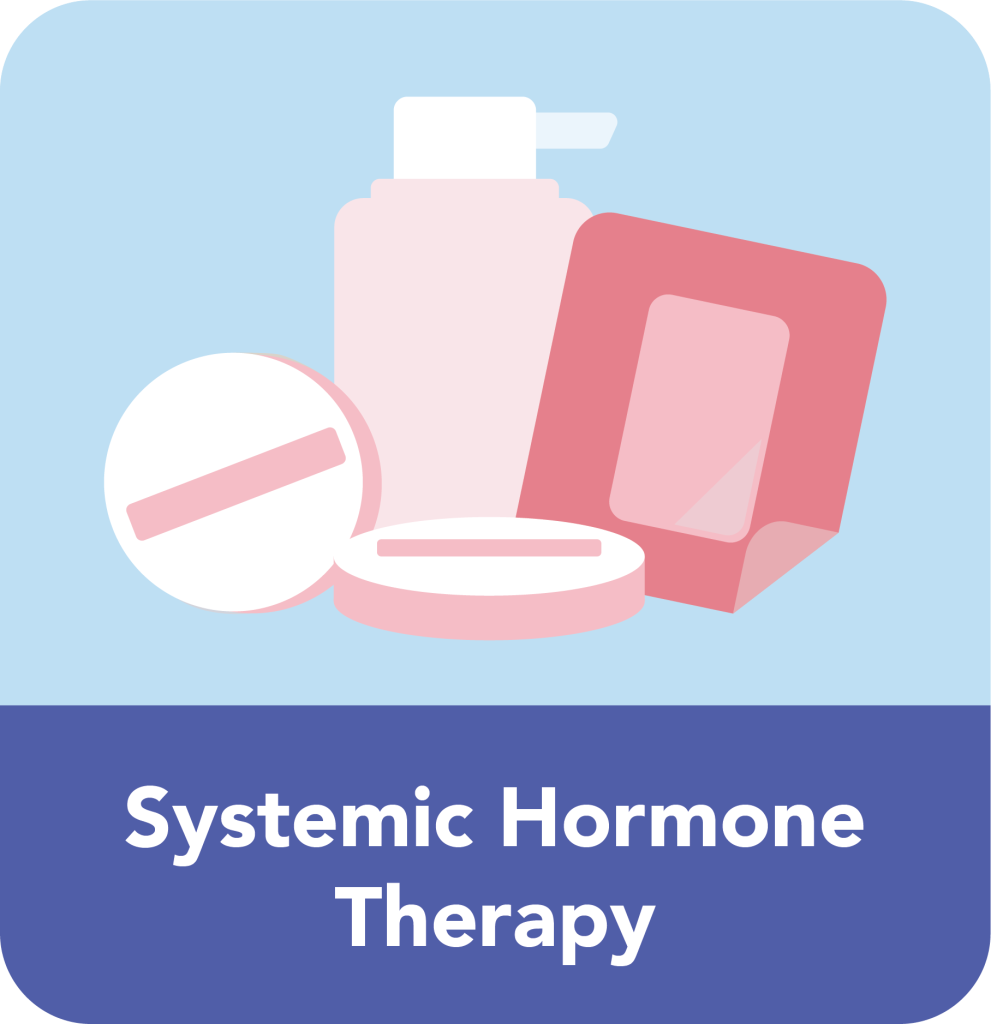
Sleep disturbances are one of the most frustrating and common symptoms of menopause, affecting up to 60% of women during the transition. Night sweats, insomnia, frequent awakenings, and early morning waking can leave women feeling drained, anxious, and unable to function during the day.
If you’re a woman in your 40s or 50s struggling to get quality rest, you’re not alone—and there’s hope. One of the most effective tools for addressing sleep issues in menopause is hormone therapy (HT). This guide explores the connection between hormones and sleep and how hormone therapy can help improve sleep quality during menopause.
😴 Why Sleep Problems Are So Common During Menopause
1. Hormonal Changes
As you approach menopause, levels of estrogen and progesterone decline. These hormones play a critical role in sleep regulation:
- Estrogen helps regulate serotonin and body temperature.
- Progesterone has a calming, sedative effect on the brain.
When these hormones drop, sleep patterns are disrupted.
2. Hot Flashes and Night Sweats
Also known as vasomotor symptoms, these sudden surges in body heat can wake you up multiple times during the night and prevent deep, restorative sleep.
3. Mood Disorders
Menopause is linked to increased risks of anxiety and depression, both of which can disrupt sleep or lead to insomnia.
4. Aging and Circadian Rhythm
Natural aging can affect your circadian rhythm and melatonin production, making it harder to fall and stay asleep—even apart from menopause.
🩺 How Hormone Therapy Can Improve Sleep
✅ 1. Reduces Night Sweats and Hot Flashes
Hormone therapy is the most effective treatment for vasomotor symptoms. By stabilizing estrogen levels, HT greatly reduces or eliminates hot flashes and night sweats that disrupt sleep.
✅ 2. Improves Sleep Architecture
Studies show HT can increase REM (dream) sleep and slow-wave (deep) sleep, leading to more restful, restorative sleep.
✅ 3. Stabilizes Mood
HT can reduce anxiety, irritability, and depressive symptoms in menopausal women, all of which are commonly linked to insomnia or poor sleep quality.
✅ 4. Supports Body Temperature Regulation
Estrogen plays a role in thermoregulation. HT helps prevent the core body temperature fluctuations that cause night sweats and sudden awakenings.
✅ 5. Improves Urinary Symptoms
Estrogen helps strengthen the urethra and bladder tissues. If nighttime awakenings are due to frequent urination, HT—especially local vaginal estrogen—can help.
🔬 What Does the Research Say?
- The Women’s Health Initiative (WHI) and subsequent studies found that HT significantly improves sleep quality in women with moderate to severe menopausal symptoms.
- A study published in Menopause journal showed that estrogen therapy improved total sleep time, sleep efficiency, and subjective sleep quality.
- Transdermal (patch or gel) estrogen was particularly effective for women with insomnia linked to night sweats.
📋 Best Types of Hormone Therapy for Sleep
| Type of HT | How It Helps Sleep | Best For |
|---|---|---|
| Systemic Estrogen | Reduces hot flashes and improves sleep architecture | Women with full-body menopausal symptoms |
| Estrogen + Progestogen | Balances hormones, especially if uterus is intact | Women with a uterus |
| Transdermal Estrogen | Avoids liver metabolism, steady hormone delivery | Women with night sweats or clot risk |
| Micronized Progesterone | Has natural sedative effects, aids in sleep onset | Women with sleep-onset insomnia |
| Local Vaginal Estrogen | Helps with urinary issues and vaginal dryness | Women with urogenital symptoms |
⚠️ Who Should Be Cautious About Using Hormone Therapy?
Hormone therapy may not be suitable for women who have:
- A history of breast cancer
- Blood clots or stroke
- Liver disease
- Undiagnosed vaginal bleeding
For these individuals, non-hormonal options for improving sleep—such as SSRIs, CBT-I (Cognitive Behavioral Therapy for Insomnia), or lifestyle interventions—should be considered.
🧘 Non-Hormonal Strategies to Complement Hormone Therapy
Even with HT, healthy sleep hygiene and lifestyle practices are important:
🌙 Create a Sleep-Friendly Environment
- Keep the room cool and dark
- Use a fan or cooling mattress
- Avoid screens at least 1 hour before bed
🧘 Manage Stress
- Practice deep breathing, meditation, or yoga
- Avoid overworking or excessive stimulation before bed
🕒 Maintain a Consistent Sleep Schedule
- Go to bed and wake up at the same time each day
- Avoid naps that are too long or late in the day
🚫 Avoid Stimulants and Alcohol
- Reduce caffeine intake after midday
- Limit alcohol, which can disrupt REM sleep
🧠 Final Thoughts: Is Hormone Therapy the Right Solution for Your Sleep?
If menopausal sleep issues are affecting your quality of life, hormone therapy may be an effective and safe solution, especially if:
- You’re under 60 or within 10 years of menopause onset
- You’re experiencing hot flashes or night sweats
- You’re otherwise healthy and a good candidate for HT
HT isn’t a sleeping pill—but by addressing the root hormonal imbalances, it helps your body get back into a healthier, more restful rhythm.
Always consult a menopause-trained healthcare provider to assess whether hormone therapy is right for you and which type is best suited to your symptoms.
📈 SEO Keywords to Include:
- Menopause and sleep problems
- Hormone therapy for insomnia
- Hot flashes and poor sleep
- How estrogen helps sleep
- Best HRT for sleep issues
🧾 Frequently Asked Questions (FAQs)
Q: Will hormone therapy help me fall asleep faster?
A: Yes, especially if you use micronized progesterone, which has mild sedative properties that promote sleep onset.
Q: How long does it take for HT to improve sleep?
A: Most women notice improvements within 2–6 weeks, especially with hot flash reduction.
Q: Are sleeping pills better than HT for menopause insomnia?
A: Sleeping pills treat symptoms short-term. HT treats the underlying cause of sleep disruption—hormonal imbalance.


