
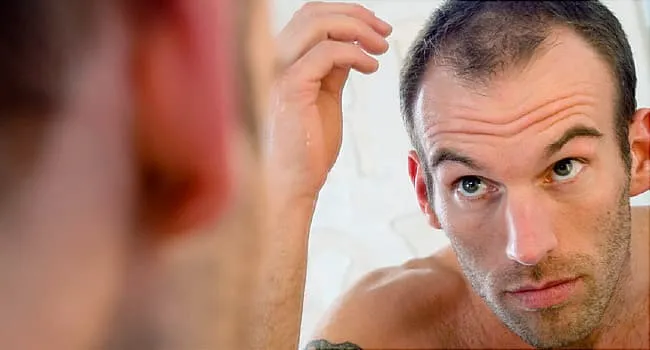
Undergoing a hair transplant in Korea is an exciting step toward restoring your hair and confidence. With Korea’s world-class clinics and advanced techniques like FUE (Follicular Unit Extraction) and FUT (Follicular Unit Transplantation), you’re in excellent hands. However, proper aftercare is crucial to ensure your transplant heals well and delivers the best possible results.
If you’re a male medical tourist who recently had a hair transplant in Korea, this guide covers essential aftercare tips—tailored to international patients—to help you protect your investment and speed up your recovery.
🩹 Immediate Post-Transplant Care (First 48-72 Hours)
1. Protect Your Scalp
- Avoid touching or scratching the transplanted area to prevent dislodging grafts.
- Sleep with your head elevated (45-degree angle) to reduce swelling. Use extra pillows or a recliner.
- Wear a loose-fitting, breathable hat if going outdoors to shield your scalp from dust and sunlight.
2. Medication and Pain Management
- Take prescribed antibiotics and anti-inflammatory medications exactly as directed to prevent infection and reduce swelling.
- Use mild painkillers like acetaminophen if necessary, but avoid blood thinners unless approved by your doctor.
3. Avoid Water Contact
- Do not wash your hair or get the transplanted area wet for the first 48 hours (some clinics may recommend waiting 3 days).
- When you do start washing, follow the clinic’s gentle shampooing instructions carefully.
🚿 Washing and Scalp Care (Days 3 to 14)
1. Gentle Shampooing
- Use a mild, clinic-recommended shampoo, usually fragrance-free and hypoallergenic.
- Wash your hair gently by dabbing instead of rubbing or massaging.
- Avoid hot water; lukewarm water is best.
2. Avoid Scrubbing and Picking
- Do not pick at scabs or crusts forming around grafts—they protect healing follicles. Scabs will naturally fall off after 7–10 days.
3. Limit Hair Products
- Avoid styling gels, sprays, and dyes during the first 2 weeks to prevent irritation.
🏃♂️ Activity and Lifestyle Guidelines (First 2 Weeks)
1. Avoid Physical Strain
- Refrain from heavy exercise, weightlifting, and strenuous activities that increase blood pressure and sweating.
- No swimming, saunas, or hot tubs to minimize infection risk.
2. Protect from Sun Exposure
- Direct sunlight can damage sensitive grafts. Wear a wide-brimmed hat or stay indoors during peak sun hours.
- Avoid tanning beds entirely during the healing period.
3. No Alcohol or Smoking
- Both can impair blood circulation and slow healing; avoid for at least 1 week post-op or as advised.
🛌 Sleep and Rest Tips
- Sleep on your back with your head elevated for the first 3–5 nights.
- Avoid sleeping on your stomach or sides to prevent pressure on transplanted areas.
🕒 Long-Term Care and Monitoring (Weeks 3 to 12+)
1. Hair Shedding Phase
- It’s normal to experience shedding of transplanted hair around 2–4 weeks post-surgery. This is temporary and part of the hair growth cycle.
2. Follow-Up Visits
- Attend all scheduled follow-ups with your Korean clinic, whether in person or via telemedicine.
- Report any unusual symptoms like excessive redness, pain, or discharge immediately.
3. Ongoing Treatment
- Continue recommended treatments such as PRP injections, minoxidil, or low-level laser therapy (LLLT) to support new hair growth.
🧳 Tips for International Patients After Returning Home
- Keep the clinic’s contact info handy for remote consultations or emergencies.
- Maintain a gentle hair care routine and avoid harsh treatments for at least 6 months.
- Follow your doctor’s instructions on medication and hair care products.
- Protect your scalp from sun exposure and trauma during travel.
- Plan virtual follow-up check-ins as recommended.
⚠️ Warning Signs to Watch For
Contact your clinic or doctor if you notice:
- Severe swelling that worsens after day 3
- Excessive bleeding or pus from the scalp
- Fever or signs of infection
- Persistent pain or numbness
- Allergic reactions to medications
Final Thoughts
Proper aftercare is just as important as the surgery itself in ensuring a successful hair transplant outcome. By following these tips—especially tailored for men traveling to and from Korea—you maximize your chances of natural-looking hair regrowth and a smooth recovery.
Need a Personalized Aftercare Guide for Your Korean Hair Transplant?
I can provide:
- A detailed day-by-day care plan
- Recommended products and suppliers available internationally
- Tips for managing travel and recovery
- Contact info for Korean clinics offering remote support


