
Traveling to Korea for Cryolipolysis—commonly known as fat freezing—has become a popular choice for international patients seeking effective, non-surgical body contouring. Korea offers state-of-the-art technology, skilled specialists, and affordable prices, making it a go-to destination for aesthetic tourism.
In this guide, we’ll walk you through everything you can expect during your Cryolipolysis trip to Korea—from pre-arrival prep to post-treatment care—so you can plan your journey with confidence.
✈️ Before You Arrive: How to Prepare
🖥️ 1. Book a Free Online Consultation
Most top Korean aesthetic clinics offer free online consultations via Zoom, KakaoTalk, WhatsApp, or email. During this consultation:
- You’ll submit body photos or videos of the areas you want to treat (e.g., abdomen, thighs, love handles)
- A consultant or dermatologist will assess your suitability
- You’ll receive a personalized treatment plan and price quote
📋 2. Confirm Appointment & Travel Dates
After agreeing on a plan, you can lock in your appointment and plan your travel. Most patients stay 2–4 days in Korea if coming for Cryolipolysis alone.
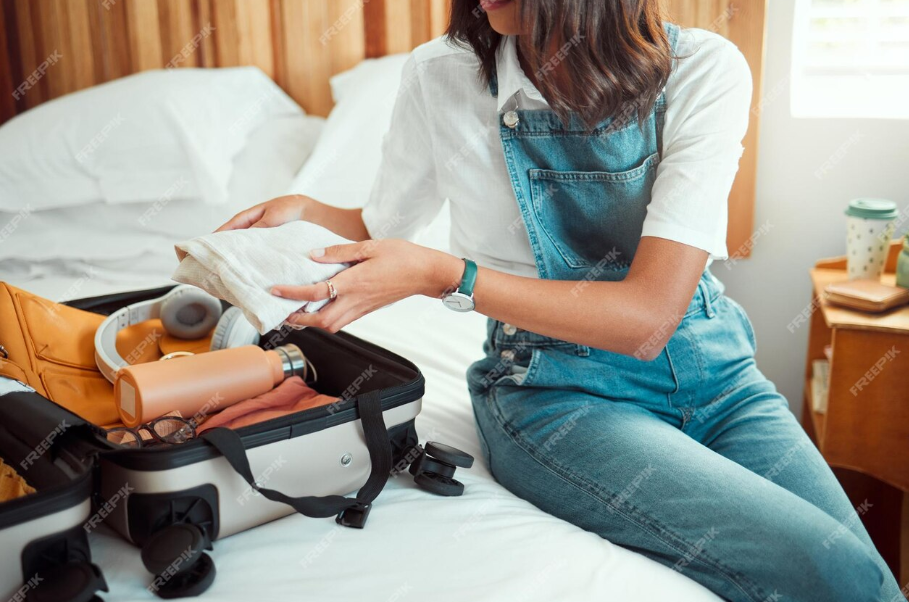
🧳 3. What to Pack
- Loose, comfortable clothing
- Compression garments (optional but helpful)
- Moisturizer for treated areas
- Passport, visa (if required), and insurance documentation
- Translation apps or clinic contact info
🏥 Day of Treatment: What Happens at the Clinic
🏛️ 1. Arrival & Check-In
You’ll be greeted by a multilingual coordinator (English, Chinese, Japanese, etc.) who helps with forms and translation. Clinics are often located in Gangnam, Myeongdong, or Apgujeong—easily accessible areas of Seoul.
🩺 2. In-Person Consultation
The doctor will assess the treatment area again, explain the process, and finalize the number of applicators needed. Some clinics use 3D body scanning to map out fat pockets precisely.
❄️ 3. Cryolipolysis Procedure
- Treatment areas are marked and cleaned
- A gel pad is applied to protect your skin
- The applicator is placed and cooling begins (approx. -11°C)
- Each area takes 35–60 minutes to treat
- You can relax, read, or use your phone during treatment
- Afterward, the area is massaged to boost results
💡 DualSculpting is common in Korea—treating two areas at once to save time.
🧘♀️ After Treatment: What to Expect
⏱️ Immediate Post-Treatment
- Treated areas may feel numb, red, or swollen
- Mild discomfort is normal, but there’s no downtime
- You can walk, shop, or sightsee immediately after
📅 Recovery Timeline
| Timeframe | What Happens |
|---|---|
| 1–3 Days | Mild soreness, swelling, temporary numbness |
| 2–4 Weeks | Fat cells begin breaking down |
| 6–12 Weeks | Final results become visible |
Clinics may offer packages for multiple areas with discounts or promotions for tourists.
📝 Before You Leave Korea
- Some clinics offer follow-up massages or skin tightening for enhanced results
- You may receive an aftercare kit (cooling gel, instructions, etc.)
- Clinics usually provide written post-care guidelines in your language
- You can do virtual check-ins from home if needed
🌍 Final Thoughts
A Cryolipolysis trip to Korea is more than just a fat-freezing session—it’s a seamless combination of high-tech beauty care, warm hospitality, and cultural exploration. With the right preparation, you can enjoy an effective, comfortable experience and return home feeling more confident in your body.


