
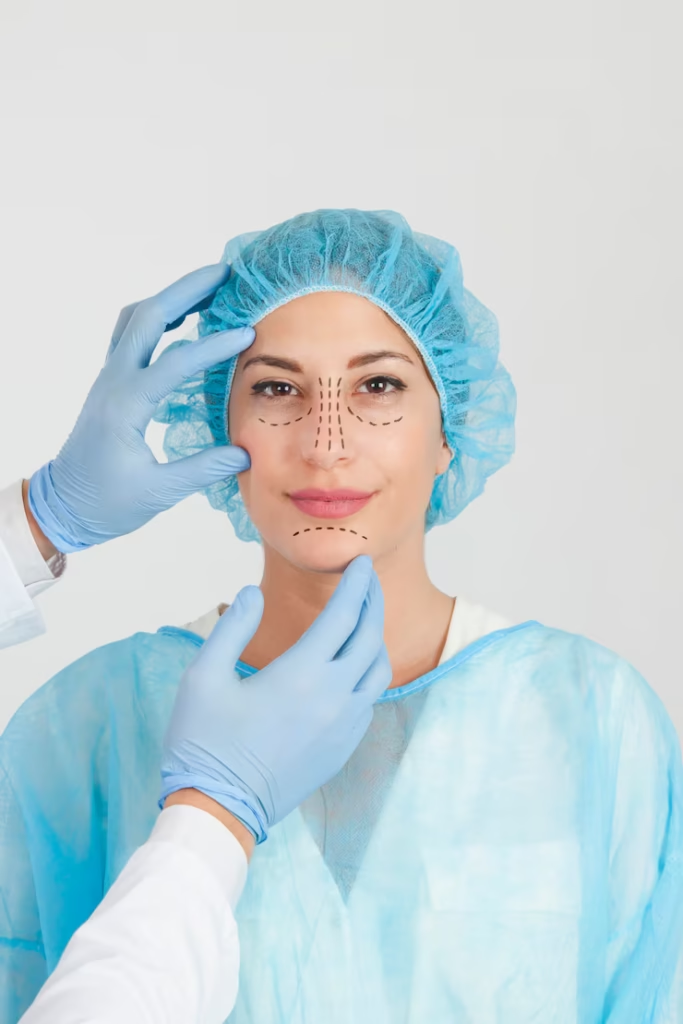
Undergoing double eyelid surgery (blepharoplasty) in Korea offers some of the best aesthetic outcomes in the world. But your post-operative care is just as crucial as the surgeon’s skill. Following a structured recovery plan will minimize swelling, reduce scarring, and speed up healing.
Below are expert-approved tips to ensure a smooth, safe, and satisfying recovery:
🧊 1. Use Cold Compresses Early and Often (First 2–3 Days)
- Apply a cold pack (wrapped in clean gauze or towel) for 10–15 minutes every hour during the first 48–72 hours.
- This reduces initial swelling, bruising, and discomfort.
- Do not apply ice directly on the skin or stitches.
💡 Tip: Some Korean clinics provide gel eye masks—use them refrigerated.
🛌 2. Sleep with Head Elevated (First Week)
- Use 2–3 pillows or a wedge pillow to keep your head elevated.
- This promotes lymphatic drainage and prevents fluid buildup around the eyes.
- Avoid sleeping face-down or on your side.
🚿 3. Gentle Hygiene is Essential
- Clean your face carefully using a damp cotton pad or sterile gauze.
- Avoid getting the incision area wet until your surgeon says it’s okay.
- Use only clinic-approved antiseptic or saline solutions for eyelid cleaning.
💊 4. Take All Medications as Prescribed
- Korean surgeons usually prescribe:
- Antibiotics to prevent infection
- Anti-inflammatory meds to reduce swelling
- Pain relievers if needed
- Do not skip doses, and never self-medicate.
🚫 5. Avoid These During Recovery
- No rubbing or touching your eyes
- No makeup or eyelash extensions until cleared (usually after 2–3 weeks)
- No smoking or alcohol—both delay healing
- No strenuous exercise, bending, or heavy lifting for 2 weeks
⚠️ Strain and sweat can increase swelling or cause internal bleeding.
🥗 6. Follow a Healing-Friendly Diet
- Eat anti-inflammatory and protein-rich foods like:
- Pumpkin soup (popular in Korea post-surgery!)
- Tofu, eggs, fish
- Berries, leafy greens, pineapple
- Avoid salty, spicy, and processed foods which cause water retention.
💧 7. Stay Hydrated
- Drink at least 8–10 glasses of water per day.
- Hydration helps flush out toxins and reduces puffiness.
- Herbal teas like barley tea or green tea (caffeine-free) are also good choices.
🧴 8. Scar Care Starts Early (After Stitches Removed)
- Once sutures are removed (around Day 5–7), begin applying:
- Silicone gel (e.g., ScarAway, Dermatix)
- Madecassol cream (popular in Korea for skin regeneration)
- Gently massage the scar (if approved) to prevent hypertrophy.
🧘 9. Manage Stress and Rest Well
- Good sleep = better collagen repair = faster recovery.
- Stress can raise cortisol and prolong healing.
- Practice deep breathing, gentle walking, or even Korean herbal teas known for calming effects.
📅 10. Attend All Follow-Up Appointments
- Korean clinics typically schedule:
- Suture removal (Day 5–7)
- 2-week check-in (virtual or in-person)
- 1-month progress review
- Follow-up ensures any early complications or asymmetry are detected and treated promptly.
🏥 BONUS: Ask Your Korean Clinic About These Aftercare Add-ons
Many leading Seoul clinics offer:
- Lymphatic drainage massage
- LED light therapy for faster healing
- Customized herbal packs to reduce bruising
- Post-op concierge or translator support
📌 Quick Recovery Timeline Summary:
| Timeframe | What to Focus On |
|---|---|
| Day 0–3 | Cold compresses, rest, hygiene |
| Day 4–7 | Suture removal, switch to warm compress |
| Week 2 | Resume light activities, scar care starts |
| Week 3–4 | Makeup allowed, more natural appearance |
| Month 2–3 | Final refinement, swelling nearly gone |
✈️ Medical Tourists: Travel Tips
- Stay in Korea for at least 7–10 days post-surgery.
- Book a hotel near your clinic (many offer nearby partner accommodations).
- Choose clinics with multilingual staff for easier communication and aftercare support.
✅ Final Thoughts:
Recovery is not just about waiting—it’s about actively supporting your body’s healing process. By following these recovery tips (many of which are standard in Korean aftercare programs), you can enjoy a smoother journey to your ideal eyelid look.


