
Treatment Overview
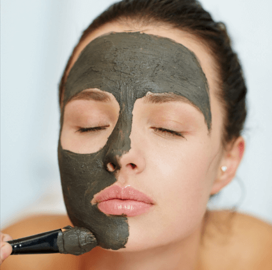
The Acne Control Carbon Laser Facial, also known as the “China Doll Facial” or “Hollywood Carbon Peel”, is a cutting-edge dermatology procedure widely popular in Korea for managing acne-prone skin. This non-invasive treatment uses laser energy combined with a carbon-based lotion to target clogged pores, excess sebum, and acne-causing bacteria. The carbon particles penetrate deep into the pores and, when activated by the laser, absorb impurities and stimulate skin rejuvenation.
In Korea, dermatologists have refined this facial to combine advanced laser technology, personalized skin assessment, and post-treatment care, ensuring that patients not only see a reduction in active acne but also achieve smoother, brighter, and healthier skin.
Purpose & Benefits
The Acne Control Carbon Laser Facial is designed for multiple skin benefits:
- Reduction of active acne by targeting Propionibacterium acnes bacteria
- Deep pore cleansing to remove excess oil and debris
- Sebum control, minimizing future breakouts
- Skin texture improvement, reducing bumps and acne scars
- Collagen stimulation, promoting skin elasticity and firmness
- Reduction of pigmentation and dark spots from acne
- Immediate radiance and smoother skin surface
This facial is particularly effective for moderate to severe acne, congested pores, and combination or oily skin types.
Ideal Candidates
This treatment is suitable for:
- Teenagers and adults experiencing persistent acne
- Individuals with oily or combination skin prone to blackheads and whiteheads
- Patients seeking non-invasive, quick, and effective acne management
- People who want to improve skin texture and prevent future breakouts
- Those who desire Korea’s advanced dermatology standards for acne control
Possible Risks & Complications
The Acne Control Carbon Laser Facial is generally safe, but minor side effects may occur:
- Temporary redness or warmth immediately after treatment
- Mild skin sensitivity for 12–24 hours
- Rare slight swelling if multiple passes of the laser are used
- Potential mild peeling if combined with exfoliating treatments
Korean dermatologists minimize risks through skin assessment, calibrated laser settings, and post-care guidance.
Techniques Used in Korea
Korea is recognized globally for integrating advanced laser technologies with acne treatments. Techniques involved include:
- Carbon Lotion Application – A thin layer of carbon is applied to the skin, penetrating pores and absorbing impurities
- Q-Switched ND:YAG Laser – Targets carbon particles and destroys bacteria, stimulates collagen, and exfoliates dead skin
- Cooling and Soothing Technology – Minimizes discomfort and prevents post-treatment irritation
- Optional Add-ons – LED therapy, PRP infusion, or hyaluronic acid serums can enhance results and accelerate healing
The combination of laser precision, carbon absorption, and dermatologist supervision makes Korean Carbon Laser Facials highly effective for acne control and overall skin rejuvenation.
Treatment Process in Korea
A typical Acne Control Carbon Laser Facial session at a Korean clinic includes:
- Consultation & Skin Analysis – Dermatologists evaluate acne severity, skin type, and sensitivity
- Cleansing & Prep – The face is cleansed and prepped for carbon application
- Carbon Lotion Application – A thin layer of carbon is applied to the skin and allowed to absorb impurities
- Laser Treatment – Q-switched ND:YAG laser is passed over the skin to target carbon particles, kill acne bacteria, and stimulate collagen
- Soothing & Hydration – Cooling masks, serums, or LED therapy are applied to calm the skin
- Post-Treatment Advice – Guidance on skincare, sun protection, and follow-up sessions
This method ensures that patients leave with refreshed, purified, and visibly clearer skin.
Recovery & Aftercare
- Minimal downtime; most patients resume normal activities immediately
- Slight redness or warmth may last a few hours
- Avoid sun exposure for 24–48 hours and use broad-spectrum sunscreen
- Gentle skincare products are recommended; avoid strong exfoliants initially
- Hydration and proper skincare maintain results
- Follow-up sessions are recommended every 2–4 weeks depending on acne severity
Results & Longevity
- Immediate reduction in oiliness and smoother skin texture
- Visible improvement in acne and pore cleanliness after 1–2 sessions
- Optimal results usually achieved with 3–6 sessions, depending on acne severity
- Long-term control of acne when combined with consistent skincare and dermatologist guidance
- Collagen stimulation contributes to firmer, more radiant skin over time
Cost Range in Korea
Pricing varies depending on clinic, laser technology, and add-ons:
- Basic Carbon Laser Session: 150,000 – 300,000 KRW (≈ USD 115 – 230)
- Advanced Session (PRP or LED add-ons): 400,000 – 800,000 KRW (≈ USD 300 – 615)
- Premium Multi-Session Packages (3–5 sessions): 900,000 – 1,500,000 KRW (≈ USD 690 – 1,150)
Korea’s competitive pricing and high-quality dermatology expertise make it a top destination for acne laser treatments.
Popular Clinics in Korea
- Banobagi Dermatology (Seoul) – Renowned for acne and laser treatments
- Oracle Dermatology (Nationwide) – Offers customized carbon laser sessions for acne control
- ID Hospital Skin Center (Seoul) – Specializes in acne, pore management, and skin rejuvenation
- Cinderella Clinic (Gangnam, Seoul) – Known for acne laser treatments combined with PRP or LED therapy
- Regen Dermatology (Seoul) – Offers multi-step carbon laser facials for international patients


