
→ Treatment Overview
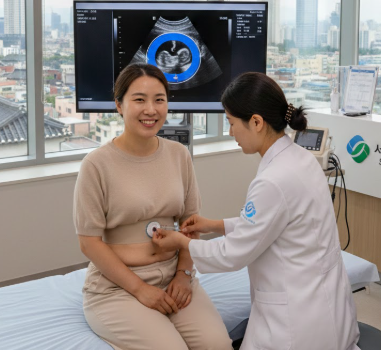
Adjustable Gastric Band Post‑Op Follow‑Up is a critical component of bariatric care in Korea, designed to monitor recovery, adjust the band, and ensure long-term weight-loss success. After laparoscopic placement of the adjustable gastric band, patients undergo structured follow-up sessions that include medical examinations, nutritional counseling, lifestyle guidance, and band adjustments.
Korean bariatric centers are internationally recognized for their comprehensive post-operative programs, providing both in-person and telemedicine support for domestic and international patients. This ensures safe recovery, optimal results, and management of any potential complications.
→ Purpose & Benefits
The main purpose of post-op follow-up is to maintain safety, optimize weight loss, and prevent complications.
Key benefits include:
→ Regular monitoring of weight-loss progress
→ Scheduled band adjustments to improve satiety and comfort
→ Early detection and management of potential complications
→ Continuous nutritional and lifestyle counseling
→ Enhanced long-term weight-loss outcomes
Korean programs combine clinical supervision with patient education for sustainable success.
→ Ideal Candidates
Post-op follow-up is essential for all patients who have undergone adjustable gastric band surgery in Korea.
Ideal candidates include:
→ Individuals with BMI ≥30 who have received a gastric band
→ Patients with early post-operative dietary or metabolic concerns
→ Those seeking long-term weight management and support
→ International patients requiring structured follow-up from abroad
→ Patients committed to maintaining lifestyle and dietary recommendations
Follow-up ensures adherence to medical guidance and reduces the risk of complications.
→ Possible Risks & Complications
Without proper follow-up, patients may face complications that can impact safety and results.
Possible risks include:
→ Band slippage or migration
→ Port-site infection or discomfort
→ Vomiting or difficulty swallowing due to over-tightening
→ Nutritional deficiencies from poor dietary adherence
→ Requirement for revision surgery if complications arise
Korean clinics minimize these risks with structured, frequent follow-up schedules and continuous patient education.
→ Techniques & Technology Used
Korean bariatric centers use advanced tools and methods to ensure precise follow-up care.
Commonly used technologies and techniques include:
→ Imaging tools to check band placement and integrity
→ Port adjustments using minimally invasive techniques
→ Digital health platforms for remote monitoring
→ Nutritional tracking and lifestyle management systems
These approaches enhance safety, convenience, and patient engagement.
→ Treatment Process in Korea
The post-op follow-up process is structured to optimize recovery and long-term success.
Typical process includes:
→ Initial post-op consultation within the first week
→ Scheduled band adjustment appointments based on weight-loss progress
→ Nutritional counseling and personalized diet planning
→ Periodic medical evaluations to monitor metabolic and physical health
→ Remote follow-up support for international patients
Korean hospitals provide coordinated care with bilingual coordinators to assist international patients.
→ Recovery & After-Care
Recovery is closely monitored during post-op follow-up to ensure smooth adaptation.
After-care includes:
→ Gradual diet progression under dietitian supervision
→ Regular band adjustments to optimize fullness and comfort
→ Lifestyle coaching and exercise guidance
→ Monitoring for any complications or adverse symptoms
Continuous follow-up supports both short-term recovery and long-term success.
→ Results & Longevity
Proper post-op follow-up maximizes weight-loss outcomes and maintains long-term metabolic health.
Expected results include:
→ Loss of 40–60% of excess body weight over 2–3 years
→ Improved obesity-related health conditions such as diabetes and hypertension
→ Reduced risk of weight regain
→ Enhanced adherence to healthy lifestyle and dietary habits
Korean clinics emphasize structured monitoring for durable success.
→ Why Korea Is a Top Destination
Korea stands out for its advanced and patient-centered post-op care programs.
Key reasons include:
→ Experienced bariatric surgeons and multidisciplinary teams
→ Advanced technology for precise band adjustment and monitoring
→ Comprehensive support for international patients, including telemedicine
→ Focus on patient education, safety, and long-term outcomes
→ Structured follow-up protocols ensuring optimal results
These advantages make Korea an attractive choice for global bariatric patients.
→ Cost Range
The cost of post-operative follow-up in Korea is transparent and affordable.
Estimated cost range:
→ USD 200 – USD 800 per follow-up session
This often includes medical evaluation, band adjustment, and nutritional counseling. Costs may vary depending on clinic and frequency of visits.
→ Popular Clinics in Korea
Several reputable Korean centers specialize in post-op care for adjustable gastric band patients.
Common options include:
→ Bariatric surgery centers in Seoul with structured follow-up programs
→ University-affiliated hospitals offering integrated post-op monitoring
→ Private clinics with dedicated international patient support
These facilities are known for modern technology, personalized care, and multilingual services.


