
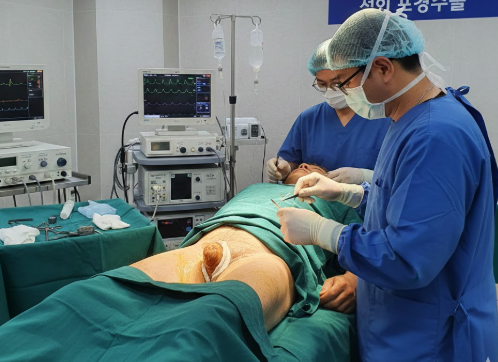
Treatment Overview
Adult Circumcision Surgery in Korea is a surgical procedure performed to remove the foreskin of the penis for medical, hygienic, or cosmetic reasons. It is commonly indicated for phimosis, recurrent infections, hygiene improvement, or personal preference. Korean clinics provide advanced surgical techniques that ensure precision, minimal pain, and fast recovery, with aesthetically pleasing results.
Adult circumcision can improve genital hygiene, prevent infections, and enhance sexual satisfaction, making it a common choice for men seeking both medical and cosmetic benefits.
Purpose & Benefits
The main purposes and benefits of adult circumcision surgery include:
- Treat medical conditions such as phimosis and balanitis
- Prevent recurrent urinary tract or penile infections
- Improve hygiene and ease of cleaning
- Reduce risk of sexually transmitted infections
- Enhance aesthetic appearance of the penis
- Improve sexual function and satisfaction in some cases
- Provide a permanent solution with minimal maintenance
This procedure offers both health and cosmetic advantages for men of all ages.
Ideal Candidates
Adult circumcision surgery in Korea is suitable for men who:
- Have a tight foreskin that cannot be retracted (phimosis)
- Experience recurrent infections of the foreskin or glans (balanitis)
- Prefer circumcision for hygiene, cultural, or cosmetic reasons
- Are in good overall health and can safely undergo minor surgery
- Seek a permanent, low-maintenance solution for foreskin-related issues
Preoperative evaluation ensures suitability and optimal surgical outcomes.
Possible Risks & Complications
While adult circumcision is generally safe, potential risks include:
- Infection at the surgical site (rare with sterile technique)
- Bleeding or hematoma formation
- Mild swelling, bruising, or discomfort during healing
- Temporary sensitivity changes or mild pain during erections
- Rare scarring or aesthetic concerns
- Rare delayed healing or need for minor revision
Korean surgeons minimize risks through meticulous surgical technique and comprehensive postoperative care.
Techniques & Technology Used
Korean clinics employ advanced methods for safe and effective adult circumcision:
1. Surgical Excision
- Precise removal of the foreskin using scalpel or laser
- Careful suturing for minimal scarring and natural appearance
2. Minimally Invasive & Laser Techniques
- Laser-assisted circumcision reduces bleeding and swelling
- Promotes faster healing and less postoperative discomfort
3. Microsurgical Precision
- Protection of nerves and blood vessels to preserve sensation and function
- Accurate incision lines for an aesthetically pleasing outcome
4. Pain Management & Anesthesia
- Local or general anesthesia based on patient preference and complexity
- Postoperative pain controlled with medications and supportive care
5. Integrated Postoperative Care
- Dressing and hygiene guidance to prevent infection
- Scheduled follow-ups to monitor healing and address complications
Treatment Process in Korea
- Consultation & Assessment
- Evaluation of foreskin condition, medical history, and patient expectations
- Discussion of surgical technique, expected results, and recovery timeline
- Customized Surgical Plan
- Selection of method (traditional excision or laser-assisted)
- Preoperative instructions including fasting and medications
- Surgery Day
- Procedure performed under local or general anesthesia
- Foreskin carefully removed and incision sutured
- Surgery duration typically 30–60 minutes
- Immediate Recovery
- Monitoring for swelling, bleeding, and early complications
- Outpatient procedure; patients typically go home the same day
- Follow-Up Visits
- Assessment of healing, hygiene, and cosmetic appearance
- Guidance on sexual activity resumption and care
- Minor adjustments if necessary
Korean clinics offer full support for international patients, including translation, accommodation, and follow-up care.
Recovery & After-Care
- Mild swelling, bruising, and tenderness typically resolve within 1–2 weeks
- Light daily activities can resume shortly after surgery
- Sexual activity generally allowed after 4–6 weeks
- Proper hygiene and wound care are essential to prevent infection
- Follow-up visits ensure proper healing and satisfactory aesthetic outcomes
Structured aftercare promotes safe recovery and optimal long-term results.
Results & Longevity
- Permanent removal of foreskin with restored hygiene and comfort
- Reduced risk of infections and improved genital health
- Enhanced aesthetic appearance of the penis
- High patient satisfaction due to minimal scarring and natural results
- Long-lasting outcomes with no maintenance required
- Preservation of erectile function and sensation
Korea’s expertise ensures both functional and cosmetic success for adult circumcision patients.
Why Korea Is a Top Destination
Korea is a leading destination for adult circumcision due to:
- Experienced urologists and surgeons specializing in male genital procedures
- Advanced surgical techniques, including laser-assisted options
- Personalized surgical planning tailored to patient anatomy and goals
- High patient safety and hygiene standards
- Affordable costs compared to Western countries
- Comprehensive support for international patients, including translation, accommodation, and follow-up care
Korea combines surgical expertise, technology, and patient-focused care for optimal outcomes.
Cost Range
The cost of adult circumcision surgery in Korea typically ranges from:
- $1,500 – $4,000 depending on technique, clinic, and surgeon experience
- Prices generally include consultation, surgery, anesthesia, and follow-up care
- Additional fees may apply for international patient coordination
Popular Clinics in Korea
- ID Hospital Men’s Health & Urology Clinic, Seoul
- Banobagi Urology & Andrology Center, Seoul
- JW Men’s Health & Cosmetic Surgery Clinic, Seoul
- Regen Men’s Health & Urology Clinic, Seoul
- Urology Specialized Andro Clinic, Seoul
These clinics are recognized for expertise in male genital surgery, circumcision procedures, and international patient care.


