
Treatment Overview
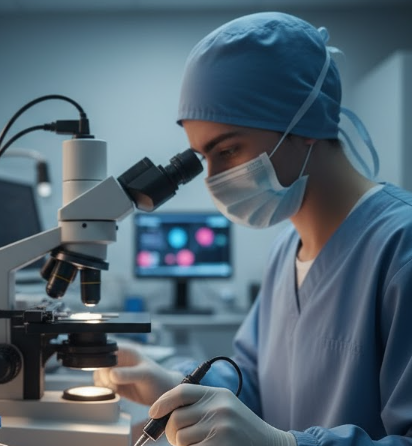
Advanced Donor Sperm IVF in Korea is a specialized fertility procedure designed for individuals or couples who require donor sperm to achieve pregnancy. The process involves fertilizing retrieved eggs with donor sperm in a highly controlled laboratory environment, followed by embryo culture and transfer to the recipient’s uterus. Korean fertility clinics are renowned for their world-class reproductive technology, high laboratory standards, and precision-based treatment systems. The procedure often integrates AI-assisted fertilization, time-lapse embryo monitoring, and advanced genetic testing for optimal outcomes.
Purpose & Benefits
The primary purpose of Donor Sperm IVF is to assist those unable to conceive naturally due to male infertility, genetic abnormalities, or absence of a male partner. It also provides opportunities for single women and same-sex female couples to achieve parenthood.
Benefits include:
- Use of high-quality, genetically screened donor sperm ensuring safety and genetic compatibility.
- Increased fertilization and pregnancy rates through advanced IVF and ICSI techniques.
- Ability to select donors based on physical, medical, and genetic characteristics.
- Option to combine with preimplantation genetic testing (PGT) to enhance embryo health.
- Access to highly regulated and ethical donor programs managed under Korea’s strict medical standards.
Korean IVF programs emphasize precision, safety, and confidentiality, making them ideal for international patients seeking secure, successful fertility care.
Ideal Candidates
This treatment is suitable for:
- Couples with severe male factor infertility or azoospermia.
- Individuals with hereditary or genetic sperm-related disorders.
- Women who wish to conceive as single mothers or within same-sex partnerships.
- Couples experiencing repeated IVF failures due to poor sperm quality.
- Patients who want to avoid surgical sperm retrieval or prefer donor sperm due to health risks.
Ideal candidates are those seeking a safe, advanced, and ethically regulated IVF program with proven success in donor sperm treatment cycles.
Possible Risks & Complications
While donor sperm IVF is generally safe, some potential risks and complications include:
- Ovarian hyperstimulation (in rare cases, from fertility medications).
- Mild discomfort or spotting following egg retrieval or embryo transfer.
- Multiple pregnancy risk if more than one embryo is transferred.
- Emotional or psychological stress due to donor sperm selection and related decisions.
- Rare possibility of reaction to hormonal therapy used for ovarian stimulation.
Korean fertility specialists maintain strict medical oversight, continuous monitoring, and use of minimally invasive techniques to minimize these risks.
Surgical Techniques Used
Korean fertility centers are at the forefront of assisted reproductive technology, utilizing some of the most advanced and precise techniques available worldwide:
- ICSI (Intracytoplasmic Sperm Injection): Direct insertion of a single donor sperm into an egg to ensure successful fertilization.
- Time-Lapse Embryo Imaging: Continuous embryo development monitoring to select the highest-quality embryos.
- Blastocyst Culture: Culturing embryos to day 5–6 for enhanced implantation rates.
- Vitrification (Ultra-Rapid Freezing): Used to preserve embryos or oocytes with near-perfect survival rates after thawing.
- Preimplantation Genetic Testing (PGT-A/PGT-M): Screening embryos for chromosomal or genetic abnormalities before transfer.
- AI-Assisted Embryo Selection: Artificial intelligence algorithms identify embryos with the highest chance of success.
These techniques, performed in advanced laboratories with sterile, automated environments, ensure high precision and safety standards.
Recovery & Aftercare
Recovery after donor sperm IVF in Korea is typically quick. Patients usually resume normal activities within a few days of egg retrieval or embryo transfer.
Aftercare includes:
- Hormonal support using progesterone and estrogen to stabilize the uterine lining.
- Follow-up ultrasounds to monitor embryo implantation and uterine health.
- Early pregnancy blood tests (β-hCG) within two weeks of embryo transfer.
- Continuous counseling and emotional support to manage treatment-related stress.
- Lifestyle and nutrition recommendations to promote a healthy pregnancy.
Korean clinics are known for comprehensive post-procedure care that supports both physical recovery and emotional well-being.
Results & Longevity
Success rates of donor sperm IVF in Korea are among the highest globally, often exceeding 60–75% per transfer, depending on patient age and overall reproductive health. With advanced sperm selection and genetic testing, embryo quality is significantly enhanced, leading to higher pregnancy and live birth rates.
Embryos or unused eggs can be cryopreserved for future cycles, ensuring long-term family planning options. Pregnancy outcomes are typically healthy and comparable to those achieved through natural conception, reflecting the safety and reliability of the procedure.
Treatment Process in Korea
Korea’s fertility centers offer a highly systematic and technologically advanced process for donor sperm IVF:
- Consultation & Evaluation: Comprehensive fertility assessment and hormone profiling of the female partner.
- Donor Selection: Donor sperm is chosen from licensed sperm banks after rigorous medical, genetic, and infectious disease screening.
- Ovarian Stimulation: The patient undergoes controlled hormone therapy to produce multiple eggs.
- Egg Retrieval & Fertilization: Eggs are retrieved under sedation and fertilized with donor sperm using ICSI.
- Embryo Culture & Selection: Embryos are cultured to the blastocyst stage and assessed with AI and time-lapse monitoring.
- Genetic Testing (Optional): PGT-A or PGT-M ensures the selection of chromosomally normal embryos.
- Embryo Transfer: The best-quality embryo is transferred into the uterus.
- Post-Transfer Monitoring: Hormonal support and close follow-up to confirm pregnancy.
Korean fertility centers stand out globally due to their precision medicine, AI integration, and ultra-modern embryology laboratories. Additionally, Korea’s strong ethical regulations, international patient support, and affordability make it a leading destination for donor sperm IVF.
Cost Range
The cost of Advanced Donor Sperm IVF in Korea varies based on clinic reputation, laboratory inclusions, and additional genetic testing. On average:
- Standard Donor Sperm IVF Cycle: USD 7,000 – 12,000
- With Genetic Testing (PGT-A/PGT-M): USD 10,000 – 18,000
- With Embryo Freezing & Storage: Additional USD 1,000 – 2,000 annually
- Donor Sperm Screening & Selection Fees: USD 1,000 – 2,500 depending on donor type
Despite its advanced technology and success rates, Korea’s IVF services are more cost-effective compared to Western countries, offering premium quality at competitive pricing.
Popular Clinics
- CHA Fertility Center (Seoul): A global leader in donor sperm and assisted reproductive technology, known for AI-driven embryo selection and high success rates.
- Maria Fertility Hospital: Renowned for world-class IVF programs and ethical donor management systems.
- MizMedi Women’s Hospital: Specializes in international fertility services, genetic testing, and donor sperm programs.
- GynART Reproductive Center: Offers precision-controlled IVF and advanced sperm-egg fertilization systems.
- Seoul National University Hospital – Reproductive Medicine Unit: Recognized for cutting-edge reproductive research and patient-centered care.


