
Treatment Overview
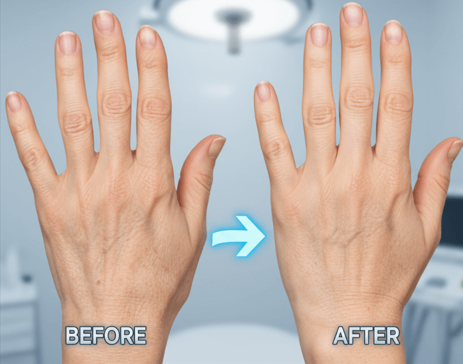
The hands are often the first part of the body to reveal the signs of aging, even before the face. Over time, natural fat and collagen decrease, leaving the hands looking bony, with more prominent veins and tendons. Advanced Hand Volume Restoration in Korea is a highly sought-after cosmetic procedure designed to rejuvenate the appearance of aging hands. This treatment falls under the category of dermatology injectables, primarily using fillers such as hyaluronic acid or calcium hydroxylapatite, and in some cases, autologous fat grafting for more lasting results. Korea has become a global leader in this field due to its sophisticated injection techniques, safe protocols, and innovative filler technologies that produce natural-looking results.
Purpose & Benefits
The main goal of hand volume restoration is to restore youthful fullness and improve the overall texture of the skin. Beyond simple aesthetics, the procedure also improves skin hydration, reduces wrinkles, and minimizes the prominence of tendons and veins. Patients enjoy:
- Plumper, younger-looking hands with smoother contours.
- Improved skin hydration due to advanced fillers.
- Quick and non-surgical procedure with minimal downtime.
- Natural outcomes that blend seamlessly with the rest of the body’s appearance.
- Boosted confidence, as youthful-looking hands complement facial rejuvenation efforts.
Ideal Candidates
This treatment is suitable for:
- Men and women experiencing age-related hand volume loss.
- People whose veins and tendons have become overly visible.
- Those seeking non-surgical rejuvenation without scars or long recovery times.
- Patients who already had facial anti-aging treatments and want their hands to match their rejuvenated look.
- Individuals looking for long-lasting yet natural results.
Possible Risks & Complications
While hand rejuvenation fillers are considered very safe, especially in Korea where high clinical standards are followed, potential side effects can occur:
- Minor swelling, redness, or bruising at the injection site.
- Rare cases of filler migration or small lumps.
- Temporary tenderness or numbness in the treated area.
- Infection, although this risk is minimized in Korea due to strict hygiene and advanced techniques.
- Allergic reactions, very uncommon with modern FDA-approved fillers.
Surgical Techniques Used
In Korea, dermatology injectables are the most common method for hand rejuvenation. Clinics may recommend:
- Hyaluronic Acid Fillers (HA): Known for hydration and smoothness, HA fillers like Restylane and Juvederm are widely used.
- Calcium Hydroxylapatite (CaHA): Provides volume and stimulates collagen production for longer-lasting results.
- Fat Grafting: Uses the patient’s own fat for natural results that can last several years.
- Microcannula Technique: A specialized method used in Korea that minimizes bruising and ensures even filler distribution.
Recovery & Aftercare
Recovery is typically fast. Most patients can return to daily activities almost immediately. Swelling or bruising usually disappears within 3–5 days. Aftercare instructions may include:
- Avoiding strenuous hand activities for one week.
- Using gentle hand moisturizers to enhance results.
- Protecting the hands from direct sun exposure.
- Attending follow-up visits to assess filler distribution and results.
Results & Longevity
Patients notice immediate improvements after treatment. Hands appear plumper, veins become less visible, and skin looks more youthful. Depending on the method:
- Hyaluronic Acid Fillers last 6–12 months.
- Calcium Hydroxylapatite fillers last up to 18 months.
- Fat grafting can last 2 years or more, especially when done by skilled Korean specialists.
Regular maintenance sessions help prolong the effects and maintain consistent hand rejuvenation.
Treatment Process in Korea
Korea is regarded as one of the top global destinations for hand rejuvenation treatments. The process typically includes:
- Consultation & Assessment: A specialist evaluates hand volume, skin texture, and aging severity.
- Customized Plan: Fillers or fat grafting are chosen based on the patient’s needs.
- Injection Procedure: Korean clinics use advanced fillers, premium brands, and the microcannula technique to minimize discomfort and bruising.
- Aftercare: Cooling treatments, specialized creams, and professional monitoring ensure faster recovery.
Why choose Korea?
- Korean dermatologists are globally known for their precision and artistry in injectables.
- Use of premium filler technology including both global brands and advanced Korean formulations.
- Strong focus on natural results, avoiding an overfilled or artificial look.
- Clinics provide English-speaking services and medical tourism support.
- Costs remain affordable compared to Western countries while offering world-class quality.
Cost Range
The cost of Advanced Hand Volume Restoration in Korea depends on the technique and clinic:
- Hyaluronic Acid Fillers: ₩500,000 – ₩1,200,000 ($400 – $950) per session
- Calcium Hydroxylapatite (CaHA): ₩800,000 – ₩1,800,000 ($650 – $1,400)
- Fat Grafting: ₩2,500,000 – ₩5,000,000 ($2,000 – $4,000)
Most patients need just one session, though advanced cases may require touch-ups.
Popular Clinics
- Banobagi Plastic Surgery Clinic (Seoul): Famous for anti-aging treatments and natural results.
- Regen Plastic Surgery (Seoul): Specializes in advanced filler techniques.
- Oracle Dermatology (Nationwide): Known for skin and hand rejuvenation.
- ID Hospital (Seoul): A leader in plastic surgery and dermatology services.
- Cinderella Plastic Surgery & Aesthetic (Seoul): Offers hand rejuvenation alongside full anti-aging programs.


