
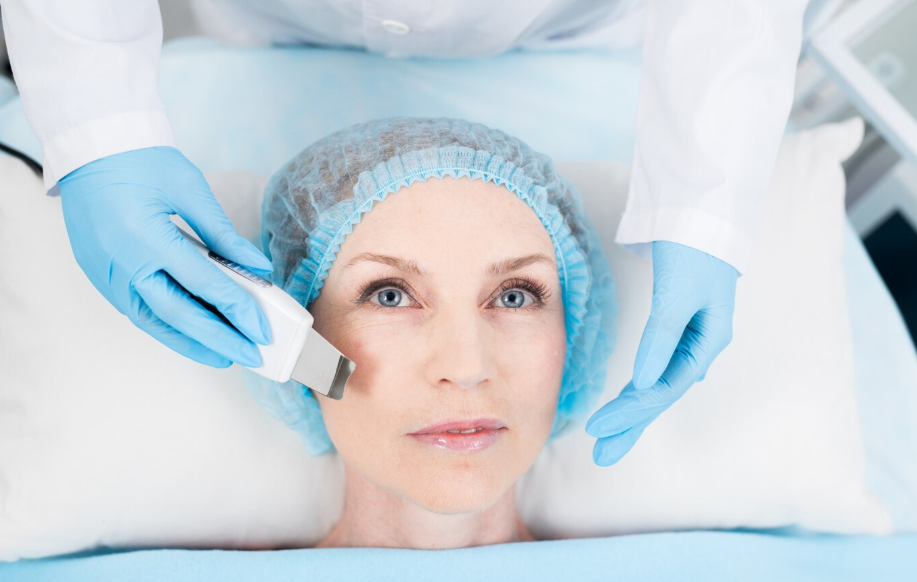
Treatment Overview
Aegyo Exosome Glow is a premium skin rejuvenation and brightening therapy that combines the Korean “aegyo” concept—fresh, youthful charm—with exosome biotechnology. Exosomes are tiny extracellular vesicles derived from stem cells that carry powerful growth factors, peptides, and regenerative signals to repair skin at the cellular level.
Unlike fillers or basic skin boosters, Aegyo Exosome Glow focuses on cell-to-cell communication, stimulating collagen, elastin, and skin repair pathways. In Korea, it is considered one of the most advanced treatments for achieving the coveted “glass skin + aegyo glow”—plump, radiant, and youthful-looking skin.
Purpose & Benefits
- Youthful Glow: Restores radiance and a fresh, luminous complexion.
- Cellular Repair: Exosomes repair damaged cells and improve skin health.
- Collagen & Elastin Activation: Improves firmness and elasticity.
- Hydration & Plumpness: Deeply moisturizes skin for a bouncy texture.
- Fine Line & Wrinkle Reduction: Smooths aging creases and early lines.
- Pore & Texture Refinement: Minimizes pores, leaving a silky finish.
- Pigmentation Balance: Helps brighten uneven skin tone and fade spots.
Ideal Candidates
- Adults with dull, dehydrated, or uneven skin.
- Individuals noticing early wrinkles or sagging.
- Patients who want radiance and youthfulness rather than volume correction.
- Men and women seeking cutting-edge regenerative therapy beyond PRP or HA boosters.
- Those open to multi-session treatments for cumulative glow.
Possible Risks & Complications
- Temporary redness or swelling at injection sites.
- Mild bruising or tenderness for 1–2 days.
- Rare sensitivity to exosome formulations (though risk is low).
- Minimal infection risk if aftercare is not followed.
- Slight uneven absorption in rare cases.
Techniques Used
- Exosome Extraction & Activation: Lab-prepared exosomes derived from mesenchymal stem cells.
- Microinjections / Aqua Infusion: Evenly distributed across the dermis for glow and hydration.
- Combination Therapy: Frequently paired with PRP, HA boosters, or laser toning for enhanced results.
- Microneedling + Exosome Infusion: Improves penetration and boosts collagen stimulation.
- Custom Treatment Zones: Applied to face, under-eyes, neck, décolletage, and hands.
Recovery & Aftercare
Day 1–2: Mild redness or swelling, similar to mesotherapy.
Day 3–5: Skin feels softer, more hydrated, and brighter.
Week 1–2: Glow, elasticity, and refined texture become visible.
Aftercare Guidelines:
- Avoid alcohol, makeup, and sauna for 24–48 hours.
- Apply hydrating serums and soothing creams.
- Always use SPF to protect rejuvenated skin.
- Stay well hydrated for maximum exosome activity.
- Follow maintenance schedule for sustained glow.
Results & Longevity
- Immediate hydration and plumpness after treatment.
- Radiance and clarity improve progressively over 1–2 weeks.
- Results last 12–18 months, longer than PRP alone.
- Best maintained with 2–3 initial sessions spaced 3–4 weeks apart, then maintenance every 9–12 months.
Treatment Process in Korea
Korea is a pioneer in exosome-based regenerative skincare, and Aegyo Exosome Glow is one of its most innovative offerings.
Consultation & Skin Analysis
A dermatologist uses digital imaging to evaluate hydration, tone, and elasticity, then selects an exosome formula tailored for glow, anti-aging, or pigmentation.
Treatment Day
Skin is cleansed, and numbing cream is applied. Exosomes are delivered into the dermis using microinjections or Aqua infusion systems. Sometimes microneedling is added for deeper absorption. Session time: 30–50 minutes.
Post-Treatment Care
Cooling masks, LED light therapy, or oxygen infusions are applied for comfort. Most patients resume daily activities the same day.
Why Korea is a Top Destination
- Korean clinics are global leaders in exosome technology.
- Treatments emphasize natural luminosity and youthfulness, not artificial volume.
- Access to next-generation exosome formulations unavailable in many countries.
- More affordable than Western clinics despite world-class expertise.
- Clinics provide English-speaking staff and international-friendly aftercare.
Cost Range
The cost of Aegyo Exosome Glow in Korea depends on clinic reputation, number of sessions, and boosters:
- Single Session (exosome only): ₩600,000 – ₩950,000 (~USD $460–$730).
- Full-Face Glow Package (2–3 vials): ₩1,500,000 – ₩2,200,000 (~USD $1,150–$1,690).
- 3-Session Package: ₩3,800,000 – ₩5,500,000 (~USD $2,900–$4,200).
- Premium Package (Exosomes + PRP/HA/Peptides): ₩5,000,000 – ₩7,000,000 (~USD $3,850–$5,400).
Additional Costs:
- Consultation & Imaging: ₩30,000 – ₩70,000 (~USD $20–$50).
- Aftercare skincare (SPF, glow serums): ₩50,000 – ₩150,000 (~USD $40–$120).
Popular Clinics
- Banobagi Plastic Surgery (Seoul): Leaders in exosome glow therapies with advanced boosters.
- ID Dermatology (Seoul): Offers tailored Aegyo Exosome Glow protocols for anti-aging.
- View Clinic (Seoul): Specializes in exosome + PRP glow programs.
- JW Plastic Surgery (Seoul): Premium exosome therapy with long-lasting rejuvenation.
- Oracle Skin Clinic (Nationwide): Affordable, international-friendly exosome glow services.


