
Treatment Overview
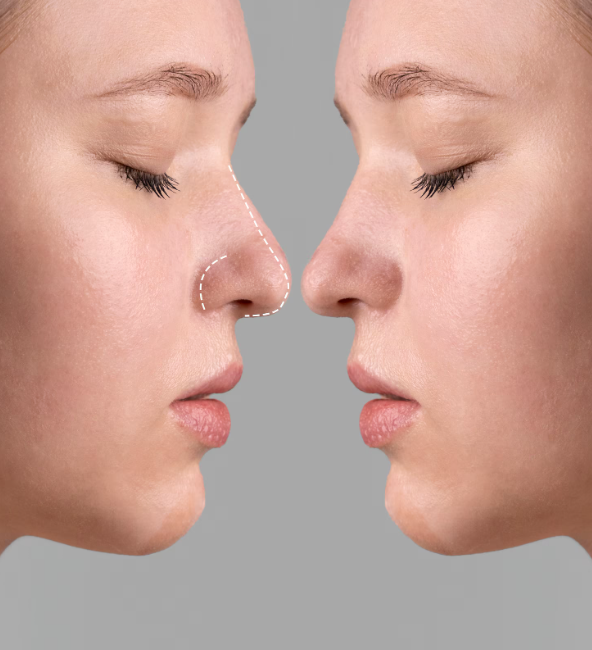
Alar Wedge Resection is a nasal surgery designed to reduce wide or flared nostrils by removing a small wedge-shaped section of tissue at the base of the nose. The procedure is often performed as part of rhinoplasty or as a standalone surgery for patients who want a more refined, balanced nose shape.
In Korea, this technique is widely performed by expert plastic surgeons who specialize in delicate nasal reshaping. Korean clinics are known for their precision, scar-concealing incision methods, and ability to achieve natural, harmonious results that enhance facial proportions without making the nose look “over-operated.”
Purpose & Benefits
The main goal of alar wedge resection is to narrow and refine the nostril base while maintaining natural nostril shape.
Benefits include:
- Reduced nostril flare and width
- Improved balance between nose and face
- More proportionate nostril size in relation to nasal tip and bridge
- Enhanced nasal symmetry
- Permanent and natural-looking results
Ideal Candidates
Alar Wedge Resection is best suited for patients who feel their nostrils are too wide or flared. Ideal candidates include:
- Patients with a broad nostril base
- Those who feel their nose appears “flat” or “spread out” when smiling
- Individuals seeking subtle refinement rather than dramatic change
- Patients who are generally healthy and have realistic expectations
Possible Risks & Complications
Although the procedure is considered safe, there are some possible risks:
- Temporary swelling, redness, or bruising
- Small scars at the nostril base (usually well-hidden in natural creases)
- Slight asymmetry if healing is uneven
- Infection or delayed healing (rare)
- Overcorrection if too much tissue is removed
In Korea, these risks are minimized thanks to highly advanced techniques and meticulous aftercare protocols.
Surgical Techniques Used
Korean surgeons use precise methods to achieve natural results with minimal scarring:
- Wedge Excision Technique: A small triangular or wedge-shaped tissue portion is removed at the nostril base.
- Hidden Incision Lines: Incisions are carefully placed along natural folds for scar concealment.
- Customized Nostril Contouring: Adjusted for each patient’s nasal proportions, ethnicity, and facial structure.
- Combination Procedures: Often paired with alar base reduction, tip plasty, or rhinoplasty for overall nasal refinement.
Recovery & Aftercare
Recovery is relatively quick compared to full rhinoplasty. Most patients experience:
- Swelling and mild bruising for 5–7 days
- Stitch removal within 5–7 days after surgery
- Return to daily activities within 1 week
- Full scar maturation and refinement over 2–3 months
Korean clinics provide aftercare such as:
- Specialized scar care creams and laser treatments
- Swelling management therapies like ultrasonic care or LED light therapy
- Regular follow-ups to ensure symmetry and healing
Results & Longevity
Alar Wedge Resection delivers permanent results, since excess tissue is removed and the nostril base reshaped. Patients can expect:
- A slimmer, more refined nose
- Balanced nostril-to-tip ratio
- Improved harmony with other facial features
- Nearly invisible scars thanks to Korea’s advanced suture and scar management techniques
Treatment Process in Korea
Korea is one of the world’s most popular destinations for nasal surgeries due to its reputation for precision and natural outcomes.
The process generally includes:
- In-depth Consultation & Digital Analysis – Surgeons use 3D imaging to show potential results.
- Customized Surgical Plan – Tailored to the patient’s facial proportions and aesthetic goals.
- Scar-Minimizing Techniques – Small incisions placed in natural folds for minimal visibility.
- Combination Options – Many patients combine alar wedge resection with tip plasty or full rhinoplasty.
- Comprehensive Aftercare – Includes scar treatment, swelling management, and close monitoring.
Why Korea is a top choice:
- Surgeons with world-class expertise in ethnic-sensitive nasal surgeries
- Cutting-edge technologies like 3D analysis and ultrasonic precision tools
- Natural results that maintain cultural and personal identity
- More cost-effective compared to Western countries
Cost Range of Alar Wedge Resection in Korea
The price varies depending on whether it is performed alone or with other nasal procedures. On average:
- ₩2,000,000 – ₩3,500,000 KRW ($1,500 – $2,700 USD) for standalone alar wedge resection
- ₩4,000,000 – ₩6,000,000 KRW ($3,000 – $4,600 USD) when combined with alar base reduction or tip surgery
- ₩6,000,000 – ₩9,000,000 KRW ($4,600 – $7,000 USD) as part of full rhinoplasty
This is more affordable compared to the U.S. or Europe, where similar procedures may cost $5,000 – $8,000 USD.
Popular Clinics for Alar Wedge Resection in Korea
- ID Hospital – Famous for advanced nasal surgeries and nostril reshaping
- Banobagi Plastic Surgery – Renowned for natural-looking rhinoplasty results
- JW Plastic Surgery – Offers specialized alar and nostril correction techniques
- View Plastic Surgery – Popular among international patients seeking refined nose contouring
- Regen Plastic Surgery – Known for meticulous scar management and precise nostril shaping


