
Treatment Overview
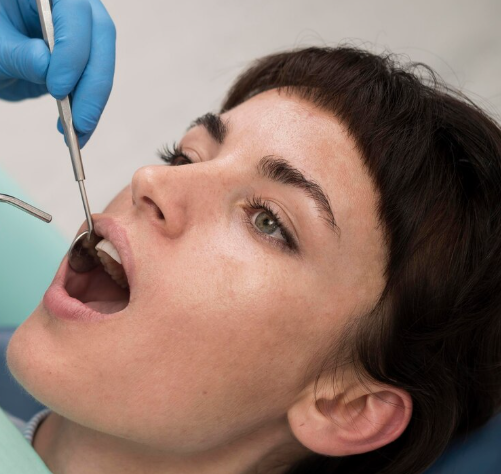
AlloDerm Gum Graft in Korea is a state-of-the-art periodontal procedure that restores receded gums without harvesting tissue from the patient’s palate. Instead, it uses AlloDerm, a medically processed regenerative dermal matrix derived from donated human tissue, to rebuild lost gum tissue and cover exposed roots.
Korean periodontists integrate AlloDerm grafts with PRF (Platelet-Rich Fibrin), laser biostimulation, and microsurgical techniques to achieve natural-looking gum regeneration with minimal discomfort.
This procedure is ideal for patients seeking a minimally invasive, aesthetic, and biologically safe solution to receding gums.
The result is thicker, healthier, and naturally contoured gum tissue that protects tooth roots, improves smile aesthetics, and restores oral comfort.
Purpose & Benefits
Purpose
- Replace missing or receded gum tissue without harvesting from the palate.
- Cover exposed tooth roots to reduce sensitivity and protect enamel.
- Restore natural gum line aesthetics and prevent further recession.
- Strengthen gum attachment and prevent bone loss.
- Promote long-term periodontal health and tissue stability.
Benefits
- No Palatal Donor Site: Eliminates need for tissue harvesting from the mouth roof.
- Natural Integration: AlloDerm integrates with existing gum tissue seamlessly.
- Enhanced Healing: PRF and laser therapy accelerate tissue bonding.
- Microsurgical Precision: Minimal trauma, faster recovery, and no visible scarring.
- Aesthetic Outcome: Restores natural gum contour and improves smile symmetry.
- Long-Term Stability: Proven durability and biocompatibility for 15+ years.
Ideal Candidates
AlloDerm Gum Graft is ideal for:
- Patients with mild to severe gum recession and exposed roots.
- Individuals with thin or fragile gum tissue.
- Those who prefer a non-palatal grafting option.
- Patients with multiple recession sites requiring large-area coverage.
- Individuals seeking aesthetic improvement and long-term stability.
Possible Risks & Complications
The procedure is safe and clinically proven, with success rates exceeding 95% in Korean clinics. Mild short-term side effects may include:
- Slight swelling or tenderness for 2–4 days.
- Temporary gum tightness during early healing.
- Minor color variation that blends naturally over time.
Korean periodontists minimize complications using sterile AlloDerm membranes, AI-guided graft placement, and laser-assisted wound healing, ensuring optimal graft integration and predictable outcomes.
Techniques & Technology Used
Core Techniques
- AlloDerm Grafting: Sterilized acellular dermal matrix placed over exposed roots.
- PRF Integration: Platelet-rich fibrin enhances cellular bonding and healing.
- Laser Biostimulation: Stimulates fibroblast activity and gum thickening.
- Microsurgical Tunneling Technique: Minimally invasive access with precise placement.
- AI Gum Mapping: Digital imaging ensures accurate graft positioning.
- Collagen Suturing: Promotes seamless aesthetic blending and reattachment.
These technologies collectively promote biologic integration and natural gum regeneration.
Treatment Process in Korea
Step-by-Step Workflow
- Digital Gum Assessment: AI imaging identifies recession zones and thickness.
- Anesthesia & Preparation: Local anesthesia ensures comfort throughout.
- Tunneling or Flap Creation: Small incisions made to access root surfaces.
- Root Surface Cleaning: Deep cleaning removes bacterial deposits.
- AlloDerm Placement: AlloDerm graft positioned under gum flap for coverage.
- PRF Application: PRF membrane added to accelerate tissue bonding.
- Microsurgical Suturing: Graft secured for stability and seamless healing.
- Laser Biostimulation: Enhances collagen regeneration and graft adherence.
Recovery & Aftercare
Aftercare Guidelines
- Avoid brushing the grafted site for 7–10 days.
- Use prescribed antimicrobial rinses twice daily.
- Eat soft, non-spicy foods during the healing phase.
- Avoid smoking, alcohol, and vigorous rinsing.
- Attend follow-up appointments for healing evaluation.
Recovery Timeline
- 1–3 Days: Mild swelling or tenderness subsides.
- 1–2 Weeks: Graft integrates with native tissue; early healing visible.
- 4–6 Weeks: Full gum contour restoration and stability achieved.
Results & Longevity
Expected Results
- Complete root coverage and elimination of gum recession.
- Increased gum thickness and tissue resilience.
- Enhanced smile aesthetics and reduced sensitivity.
- Stable gum attachment and improved periodontal health.
Longevity
AlloDerm grafts can last 15–20 years or more with proper oral care.
Korean clinics report success rates of 95–98% for long-term graft stability.
Routine checkups and gentle brushing maintain gum contour and health.
Why Korea Is a Top Destination
- Non-Invasive Expertise: Pioneers in palatal-free gum grafting techniques.
- Biologic Integration: Use of PRF and laser therapy for enhanced graft survival.
- AI-Enhanced Accuracy: 3D mapping ensures precise graft placement.
- Microsurgical Excellence: Specialists in aesthetic and regenerative gum surgery.
- Cost Efficiency: 40–50% more affordable than Western dental centers.
- Multilingual Support: English, Mandarin, and Japanese services available.
Korea’s biologic approach, advanced grafting methods, and aesthetic precision make it a global hub for AlloDerm-based gum regeneration.
Unique Korean Methods & Technology
- AlloDerm + PRF Regeneration System
- AI Gum Contour Mapping
- Microsurgical Tunneling Technique
- Biophotonic Laser Healing
- Guided Biofilm Therapy (GBT)
- Oxygen-Ozone Gum Detox
- Collagen Membrane Stabilization
- AI Healing Progress Analytics
These innovations deliver natural gum regeneration with superior comfort and precision.
Cost Range
| Treatment Package | Price (KRW) | Approx. USD | Inclusions |
|---|---|---|---|
| Single-Tooth AlloDerm Graft | ₩800,000 – ₩1,200,000 | $590 – $890 | AlloDerm graft + laser healing + PRF |
| Multi-Site AlloDerm Regeneration | ₩1,800,000 – ₩2,800,000 | $1,330 – $2,070 | PRF + laser + AI mapping + collagen suturing |
| Advanced Biologic AlloDerm Program | ₩3,000,000 – ₩4,500,000 | $2,220 – $3,330 | PRF + laser biostimulation + full-arch graft + AI healing monitoring |
Popular Clinics
- Seoul National University Dental Hospital (Periodontics Department): Experts in AlloDerm grafting and biologic regeneration.
- Yonsei University Dental Hospital (Microsurgical Unit): Leaders in minimally invasive AlloDerm and PRF techniques.
- Samsung Medical Dental Center: Innovators in AI gum mapping and laser-assisted graft healing.
- Asan Medical Center (Regenerative Dentistry Division): Specialists in biologic and aesthetic gum tissue reconstruction.
- JK Biologic Dental & Periodontal Clinic (Gangnam): Globally recognized for non-palatal grafting and natural smile restoration.


