
Treatment Overview
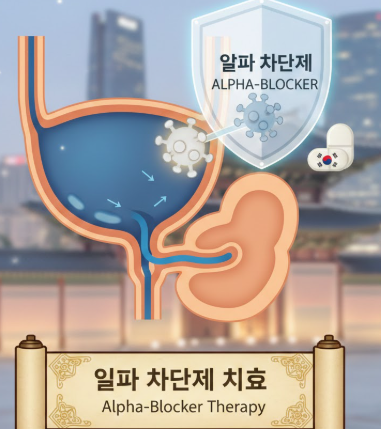
Alpha-blocker therapy is a first-line medication treatment for Benign Prostatic Hyperplasia (BPH), which causes urinary obstruction due to an enlarged prostate. Alpha-blockers work by relaxing the smooth muscles of the prostate and bladder neck, improving urine flow and reducing urinary symptoms. In Korea, alpha-blocker therapy is widely available, including both branded and generic medications, and is often combined with lifestyle management and follow-up monitoring at urology clinics.
Purpose & Benefits
The main purpose of alpha-blocker therapy is to relieve urinary symptoms caused by BPH without the need for surgery. Key benefits include:
- Non-invasive treatment option
- Rapid symptom relief, often within days to weeks
- Improved urinary flow and reduced urinary frequency and urgency
- Can be used as monotherapy or in combination with other medications
- Safe for long-term management in many patients
- Helps delay or avoid the need for surgical intervention in mild to moderate BPH cases
Ideal Candidates
Ideal candidates for alpha-blocker therapy include:
- Men with mild to moderate BPH symptoms
- Patients who prefer a non-surgical approach
- Individuals with good overall health and no contraindications to alpha-blockers
- Patients with small to moderately enlarged prostates
- Men looking to improve urinary symptoms while delaying surgery
Possible Risks & Complications
Although alpha-blockers are generally safe, potential side effects may include:
- Dizziness or lightheadedness due to lowered blood pressure
- Fatigue or weakness
- Nasal congestion
- Headache
- Retrograde ejaculation in some patients
- Rare allergic reactions or severe hypotension
Techniques & Technology Used
Alpha-blocker therapy in Korea involves prescription management and follow-up monitoring rather than procedural techniques. The therapy may include:
- Prescription of selective or non-selective alpha-blockers, such as tamsulosin, alfuzosin, silodosin, or doxazosin
- Dose titration based on symptom relief and tolerance
- Periodic monitoring of blood pressure, urinary function, and symptom scores
- Patient education on lifestyle measures, fluid intake, and avoiding medications that worsen urinary symptoms
Treatment Process in Korea
The typical alpha-blocker therapy process includes:
- Initial Consultation: Review of urinary symptoms, medical history, and medications
- Diagnostic Testing: Blood tests, urinalysis, PSA testing, and sometimes imaging
- Medication Prescription: Selection of the appropriate alpha-blocker and dosage
- Follow-Up Monitoring: Symptom assessment within 2–4 weeks and dose adjustment if needed
- Long-Term Management: Ongoing monitoring and combination therapy if symptoms persist or progress
Recovery & After-Care
Since alpha-blocker therapy is non-invasive, recovery mainly involves adapting to the medication and monitoring for side effects:
- Symptom improvement is usually observed within a few days to weeks
- Regular follow-up visits monitor blood pressure, urinary function, and side effects
- Patients are advised to stay hydrated and avoid sudden changes in posture to prevent dizziness
- Lifestyle modifications, including reduced caffeine intake and bladder training, enhance outcomes
Results & Longevity
Alpha-blocker therapy provides effective symptom relief for many BPH patients:
- Rapid improvement in urinary flow and reduction in nocturia, urgency, and frequency
- Long-term symptom management possible with continuous therapy
- May delay or reduce the need for invasive procedures
- Combination therapy with 5-alpha-reductase inhibitors may improve long-term outcomes for larger prostates
- High patient satisfaction due to non-invasive nature and minimal disruption to daily life
Why Korea Is a Top Destination
Korea is a preferred destination for alpha-blocker therapy due to:
- Access to a wide range of prescription options, including branded and generic medications
- Experienced urologists providing comprehensive evaluation and monitoring
- Affordable healthcare costs and high-quality clinical care
- Availability of patient support services for international patients, including consultation, translation, and follow-up
- High standards of safety, hygiene, and medication regulation
Cost Range
The cost of alpha-blocker therapy in Korea varies depending on the medication and duration of treatment:
- Monthly cost typically ranges from $30 to $150
- Costs may be lower for generic versions of alpha-blockers
- Consultation and follow-up visits may add $50–$100 per visit
Popular Clinics in Korea
Some of the top clinics providing alpha-blocker therapy and BPH management in Korea include:
- Seoul Urology & Andrology Clinic
- JK Male Health Center, Seoul
- Korea Men’s Health Institute, Seoul
- VIP Male Clinic, Gangnam
- Dr. Kim’s Urology Clinic, Busan


