
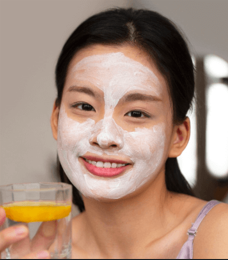
Treatment Overview
Alpha Hydroxy Acid Peel is one of the most widely performed skin exfoliation treatments in Korea, designed to remove the outermost layer of dead skin cells, improve texture, and restore a radiant glow. This peel uses naturally derived acids such as glycolic acid, lactic acid, or citric acid to gently resurface the skin. In Korea, dermatology clinics often combine AHA peels with advanced skin-rejuvenating methods, ensuring maximum effectiveness while minimizing downtime. Patients from around the world seek AHA peels in Korea due to the country’s reputation for innovative skin treatments, expert dermatologists, and state-of-the-art equipment.
Purpose & Benefits
The primary purpose of an AHA peel is to promote cell turnover and enhance overall skin health. Benefits include:
- Smoother and more even skin tone
- Reduction of fine lines and early wrinkles
- Lightening of pigmentation and sun damage
- Reduction of acne scars and enlarged pores
- Brighter, youthful-looking skin
- Enhanced absorption of skincare products
Ideal Candidates
AHA peels are suitable for individuals who:
- Want to improve mild to moderate pigmentation issues
- Seek a non-invasive solution for dull and uneven skin tone
- Have fine lines, rough texture, or sun-damaged skin
- Experience mild acne or post-acne marks
- Prefer a safe, quick treatment with minimal downtime
It is not recommended for those with severe active acne, open wounds, or very sensitive skin without prior consultation.
Possible Risks & Complications
While generally safe, AHA peels may cause temporary side effects such as:
- Redness and mild irritation
- Dryness or flaking
- Increased sensitivity to sunlight
- Rarely, hyperpigmentation or scarring if not properly cared for post-treatment
Korean clinics minimize risks by customizing peel strength based on skin type and using precise application methods.
Surgical Techniques Used
Although AHA peels are non-surgical, in Korea, advanced application techniques are used to maximize safety and results:
- Layered peeling method: Applying multiple layers of AHA for controlled exfoliation.
- Combination therapy: Blending AHA with other gentle acids like BHA or PHA for tailored outcomes.
- Device-assisted application: Using micro-infusion devices to deliver acids evenly and deeply into the skin.
- Cooling and soothing technology: To reduce irritation and ensure comfort during the procedure.
Recovery & Aftercare
Recovery from an AHA peel is relatively quick. Patients may experience mild redness, dryness, or peeling for 2–5 days. Korean dermatologists often recommend:
- Using soothing creams and moisturizers
- Applying sunscreen daily to prevent UV damage
- Avoiding harsh skincare products for at least a week
- Following a prescribed K-beauty aftercare routine that includes hydration masks and calming serums
Results & Longevity
Results are visible within a week, with smoother, clearer, and brighter skin. Depending on the intensity of the peel, improvements can last several months. Many patients undergo AHA peels every 4–6 weeks in Korea for long-term maintenance and youthful skin. With proper sun protection and skincare, results are more prolonged and natural-looking.
Treatment Process in Korea
Korea is considered a global leader in dermatology and aesthetic procedures, and AHA peels are among the most requested treatments. The process typically includes:
- Skin analysis with AI technology: Korean clinics use high-resolution skin scanners to customize treatment.
- Pre-peel preparation: Gentle cleansing and hydration before applying the acid solution.
- Application of AHA solution: Using controlled, even strokes to ensure uniform coverage.
- Neutralization and soothing: Application of neutralizers and cooling masks to minimize irritation.
- Post-treatment LED therapy: Many clinics add LED red light therapy to enhance skin recovery.
What makes Korea unique is the integration of cutting-edge technology, personalized treatment plans, and combination therapy (such as pairing AHA with laser toning or whitening infusions). Patients choose Korea not only for advanced techniques but also for its medical tourism infrastructure, where clinics provide English-speaking staff, transparent pricing, and world-class standards of safety.
Cost Range
The cost of an AHA peel in Korea varies depending on clinic reputation, treatment depth, and whether combination therapies are included. On average:
- Basic superficial AHA peel: 70,000 – 150,000 KRW per session (USD $50 – $110)
- Mid-depth customized peel with combination therapy: 150,000 – 300,000 KRW per session (USD $110 – $220)
- Premium packages (multiple sessions + LED/light therapy): 500,000 – 1,000,000 KRW (USD $370 – $750)
Popular Clinics
Some of the most sought-after dermatology clinics in Korea for AHA peels include:
- ID Dermatology Clinic (Seoul) – Famous for personalized skin rejuvenation programs.
- Banobagi Dermatology – Known for advanced cosmetic dermatology and English-speaking services.
- Oracle Dermatology Clinic – One of the largest dermatology chains in Asia.
- Cinderella Plastic Surgery & Dermatology – Offers specialized whitening and peeling treatments.
- REGEN Dermatology Clinic – Renowned for combining peels with advanced laser treatments for long-lasting results.


